Programa de Contingencias

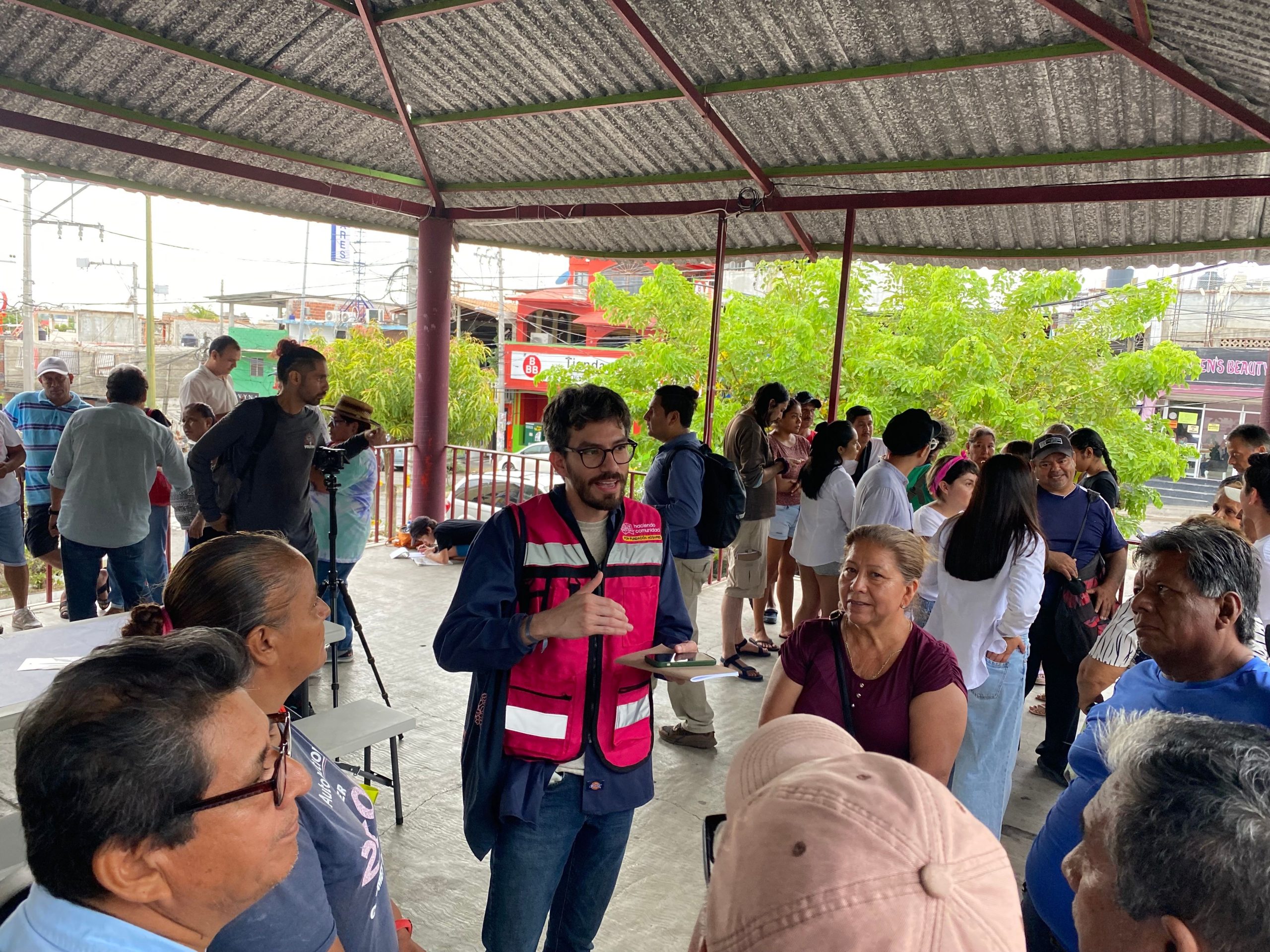
Participatory workshop in Coloso, Acapulco 2024

In June, the Fundaciòn Hogares welcomed our Senior Researcher Lorenzo Tripodi to contribute to the launch of a participatory process for a new post-hurricane recovery and resilience plan for the Alto Progreso and Coloso districts in Acapulco, Mexico.

Fundaciòn Hogares is a non-profit Private Assistance Institution, working at the national level to improve the welfare of people living in social housing communities in Mexico. The Contingency Programme adheres to a long-term vision of transformation that seeks collective wellbeing for neighbours who have been affected by a contingency, and the Foundation’s previous participation has been in the such  cases as the Hurricane Odile in Los Cabos and La Paz, Baja California Sur, 2014, Tornado  in Ciudad Acuña, Coahuila, 2015 and earthquake  in Jojutla, Morelos 2017. The Contingency Programme is led by a team of professional experts in community, urban, environmental, architectural and social responsibility issues. 

Aerial pictures of Acapulco before and after hurricane Otis
Acapulco before and after hurricane Otis

Deriving from the impacts caused by Huaracan OTIS category 5 in the city of Acapulco, Fundación Hogares identified the potential to effectively adapt urban areas to the impacts of climate change. Green infrastructure, including parks, green areas and sustainable water management systems, contributes to improving the quality of life of inhabitants and plays an essential role in adapting to the adverse effects of climate change.

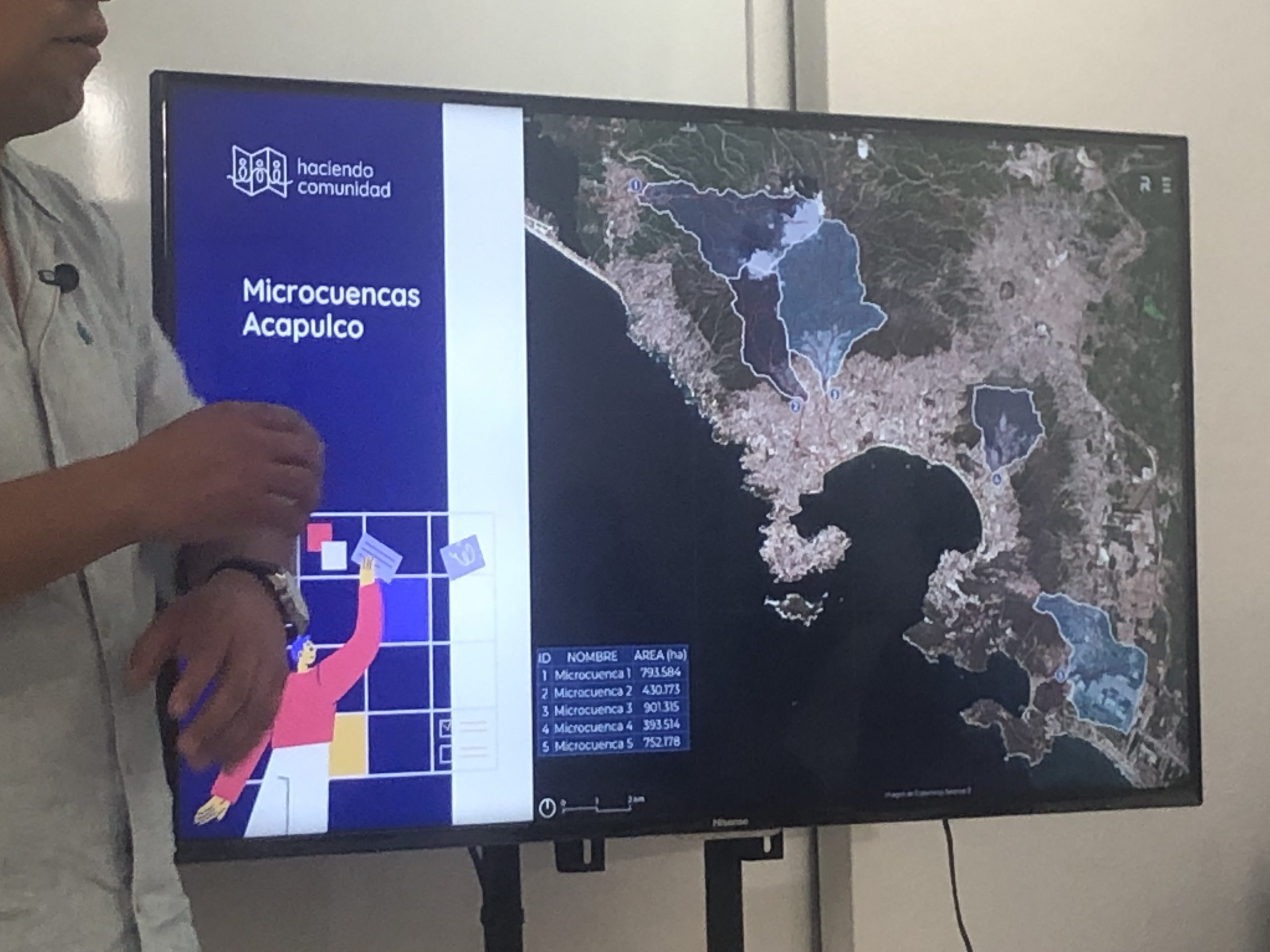
Aerial picture of Acapultco identifying the two areas of intervention of Alto progreso and Coloso
The two areas of intervention of Alto progreso and Coloso

Participating to this event was an incredible opportunity to learn about the reality of blue collar communities on the outskirts of the touristic metropolis, receive insight into Mexican social housing policies, and connect with a vibrant and engaged local community. A team of urban planners, architects, social workers, and facilitators developed a strategy for involving the local community in decision-making and execution, conducted on-site surveys, and met with community members to discuss project needs and resources.
Related Posts

UIA and URBACT joint initiative for the right to housing

UIA and URBACT joint initiative for the right to housing

On 30-31 January we were in Porto for the EU Cities Forum 2020, where Laura Colini  coordinated  the launch a new URBACT and UIA joint initiative on implementing the right to housing across urban areas in Europe.  Throughout 2020, URBACT and UIA’s initiative will provide a platform for city administrations, civil society, research and practitioners to debate and exchange […]

URBEX Training in Palermo

URBEX Training in Palermo

Visual recording by Ilaria Fresa / Nomadways From June 7-11 Tesserae co-delivered training workshops for social workers in the URBEX project. We shared and tested methods and exercises of urban exploration aimed at youths. The experience was extremely valuable, rich and funny! Below are some visual notes and twitter threads documenting the 4 days. In […]

Civic eState final event – May 26-28

Civic eState final event – May 26-28

The final event of  URBACT’s Civic eState project will take place online from May 26th to 28th 2021.  The virtual conference aims to showcase the impact of Civic Estate’s activities and to promote its results at a European and global level, fostering dialogue with experts, academics and elected representatives. Key themes of the event will include a spotlight on the role […]

Panoramica privacy

This website uses cookies so that we can provide you with the best user experience possible. Cookie information is stored in your browser and performs functions such as recognising you when you return to our website and helping our team to understand which sections of the website you find most interesting and useful.