
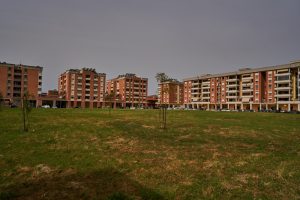
Located in the south-eastern part of the city of Latina, Piazza Ilaria Alpi is one of the place identified by the UPPER UIA project in Latina as a demonstration site for the planting of new plant species to counteract the increase in temperature, linked to the heat island effect. Tesserae was responsible for the co-design activitiies of the project.

WHERE AND WHEN? Mildmay, Islington, London, UK. From 2018. Involvement in the Comensi project. WHAT’S GOING ON? Mildmay has recently become a preferential target for real estate investment, and it has seen a rapid increase in the number of affluent peope decidig to move in the ward. The new inbalance between housing supply and demand has broght […]
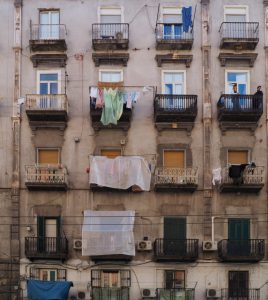
Porta Capuana is the eastern gate of the historical center of Naples, and gives the name to the neighbourhood that developed around it. While the economic difficulties of its inhabitants are a long-known problem, a recent rise in the multicultural background of the neighbourhood residents has changed its dynamics. Some regeneration plans have been launched by public bodies, which co-exist with a renewed vibrancy in the local activities of associations and private stakeholders.