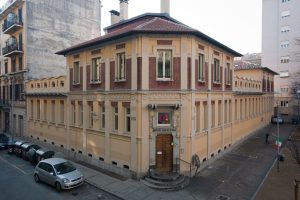
LE MURATE– FIRENZE

Integrated regeneration development of the ancient prison complex of Le Murate in the historical centre of Florence

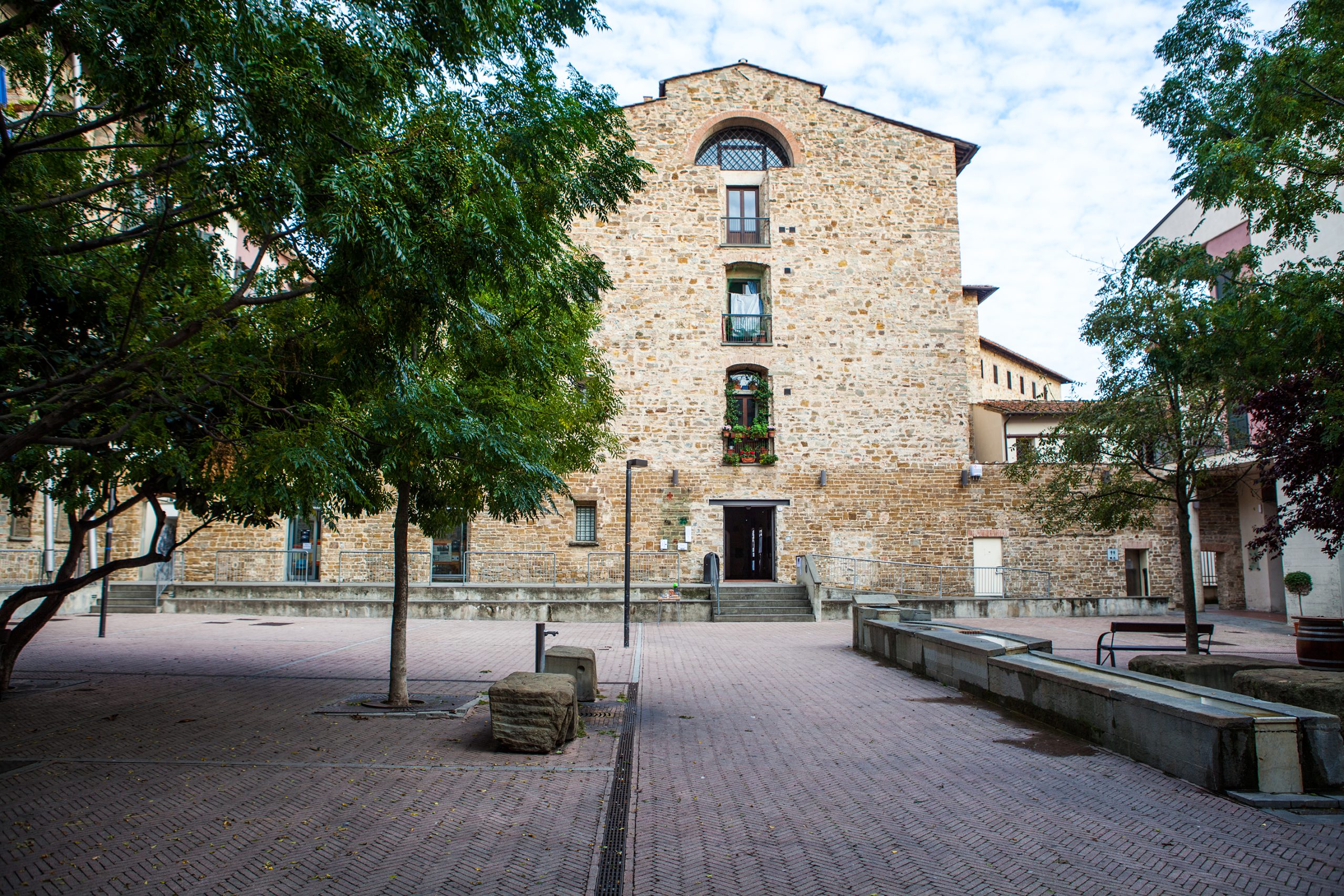
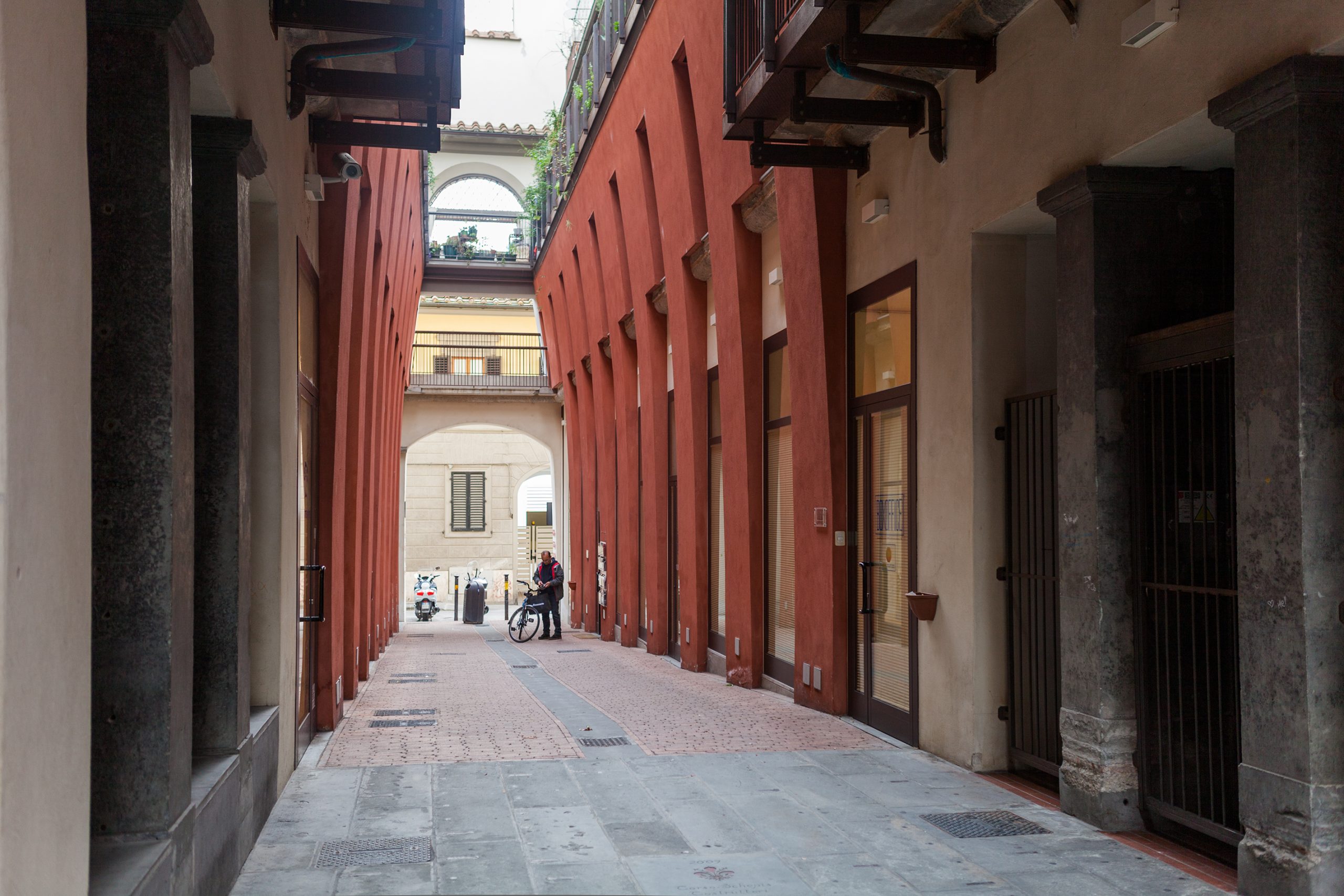
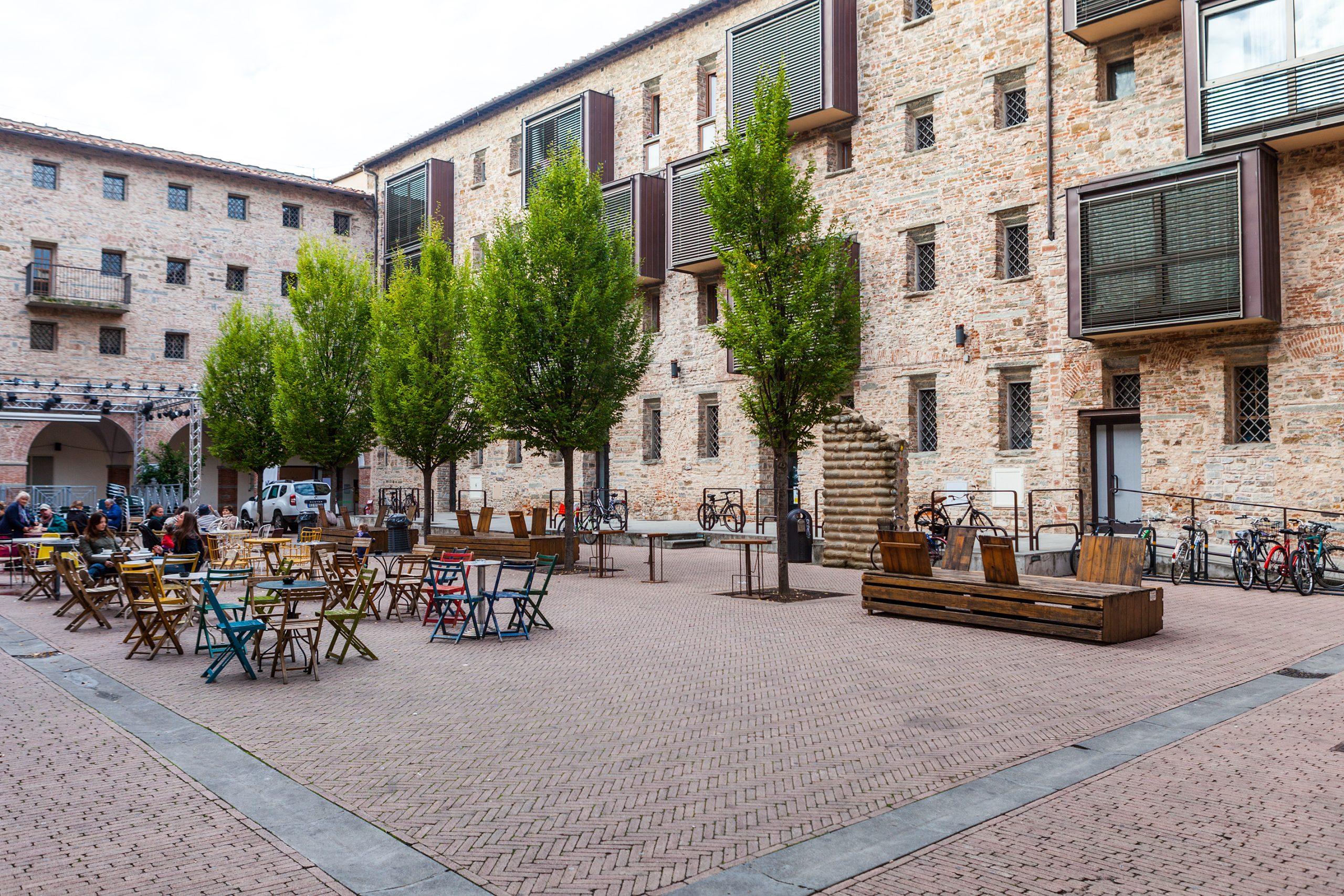
The regeneration of the ancient prison complex of Le Murate in the historical centre of Florence is a successful experience of integrated planning, which has restored an area that has historically been cut off from the urban and social fabric of the Santa Croce neighbourhood.

The project is based on the city council’s consistent support for a redevelopment which has brought social housing back into the city centre, while also developing a multi-sectoral range of interventions including new public spaces and pedestrian access routes, an innovative enterprise incubator, an art centre and studios, as well as commercial space. Tesserae included this case study as a best practice of integrated urben developlment in a study for the DGRegio in 2012.
Related Posts

ALAMAR, CUBA

ALAMAR, CUBA

Alamar is a new city built in the 1970s in the outskirts of La Habana, Cuba, mostly with rudimental prefabricated technologies inherited from the soviets. It has been put in place through self-construction teams of 32 citizens employed in the so called microbrigadas: a system affecting not only the way the physical environment has been produced, but also the social texture formed in the process.

Le serre dei giardini margherita

Le serre dei giardini margherita

Since 2014, in the heart of the Giardini Margherita park in the city of Bologna 500 m² of abandoned greenhouses and 3000 m² of open-air area have been the subject of an incremental regeneration process that has given rise to Le Serre dei Giardini, a veritable ‘nursery’ of ideas: here desirable, sustainable and inclusive futures are brought closer to people through the realisation of tangible projects that propose a rethinking of the relationship between urban space, human beings and the natural environment.

Panoramica privacy

This website uses cookies so that we can provide you with the best user experience possible. Cookie information is stored in your browser and performs functions such as recognising you when you return to our website and helping our team to understand which sections of the website you find most interesting and useful.