Le Garage Moderne

From self-repairing cars to social and cultural workshop in Bordeaux

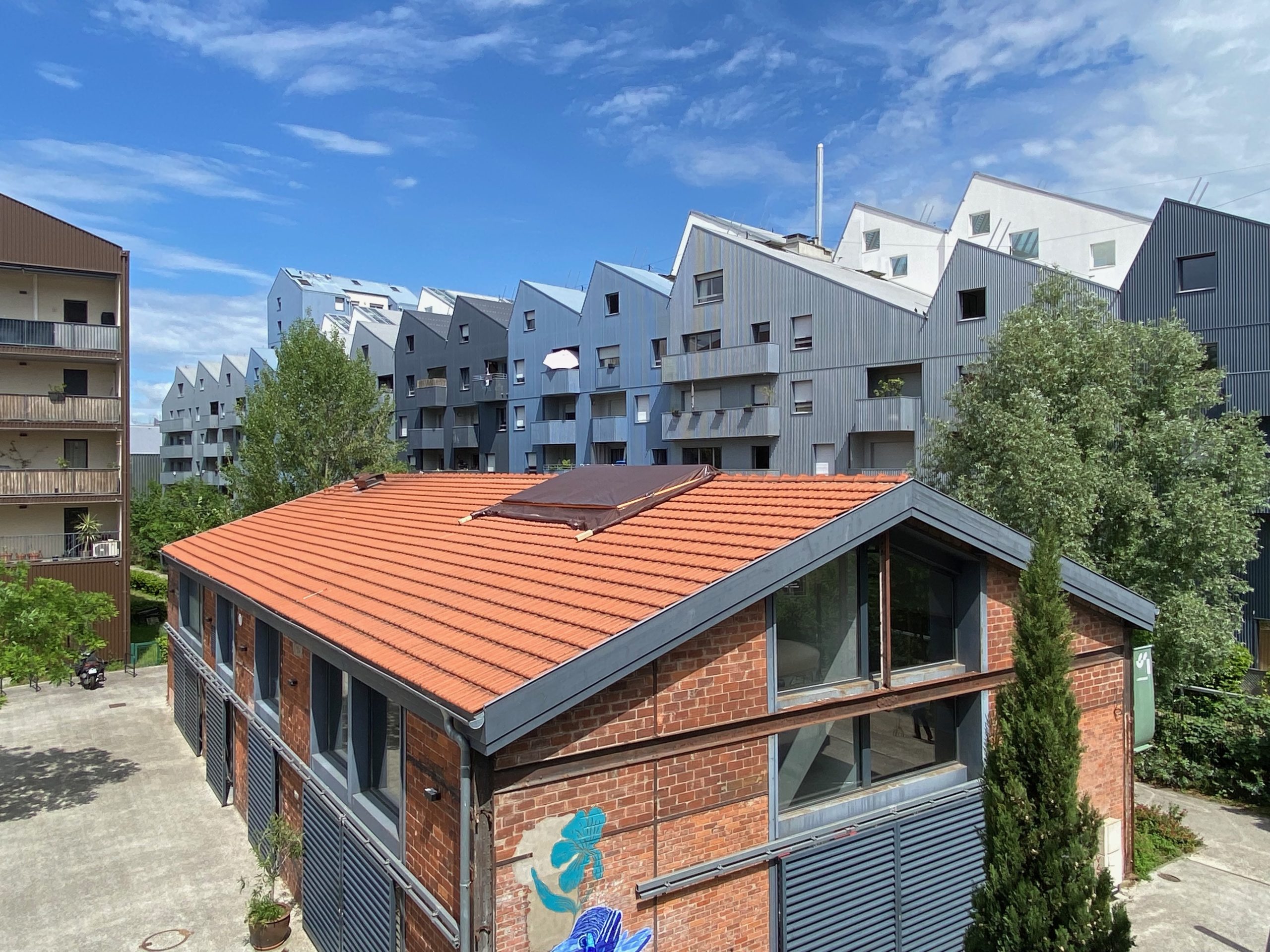
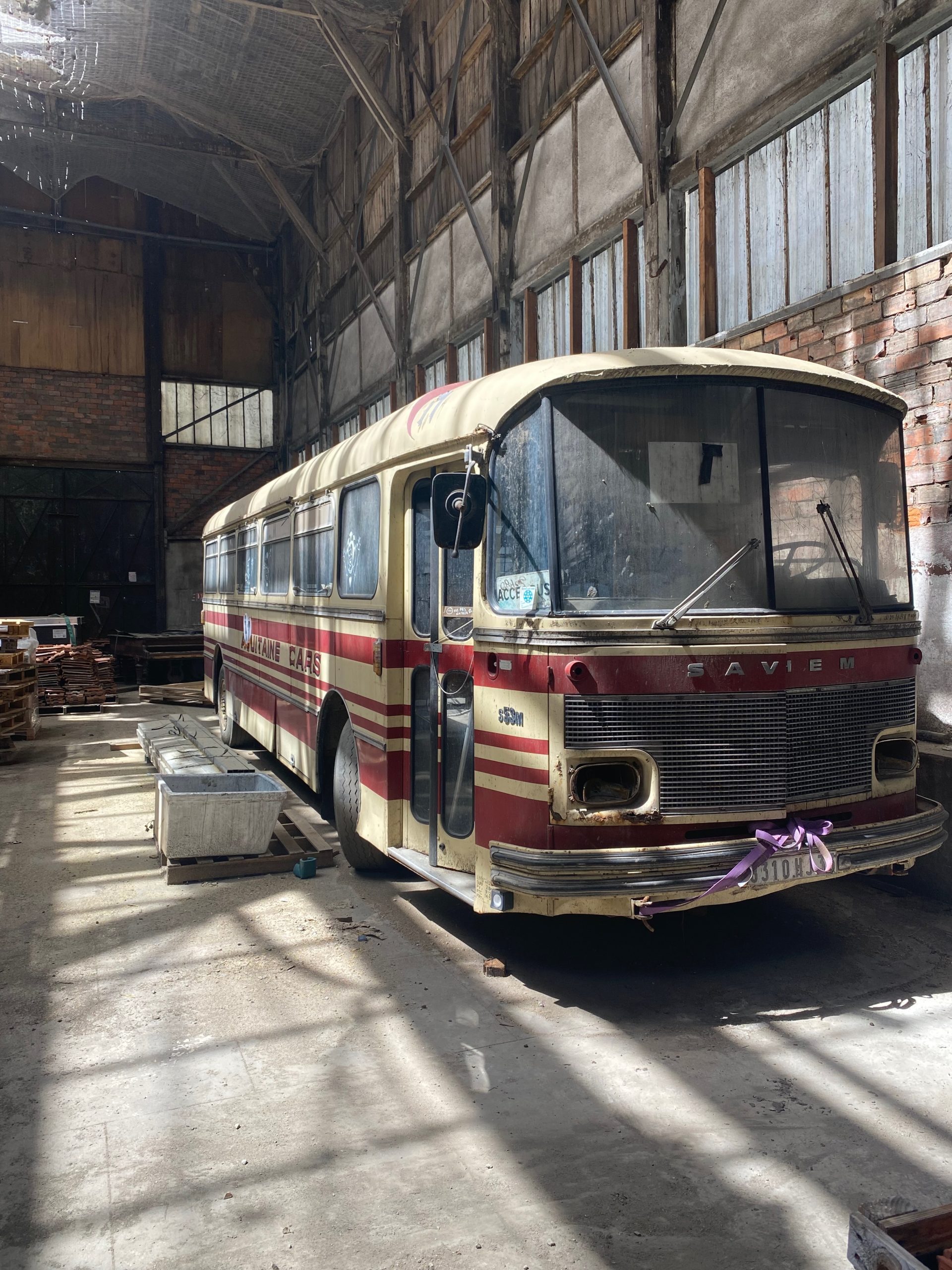
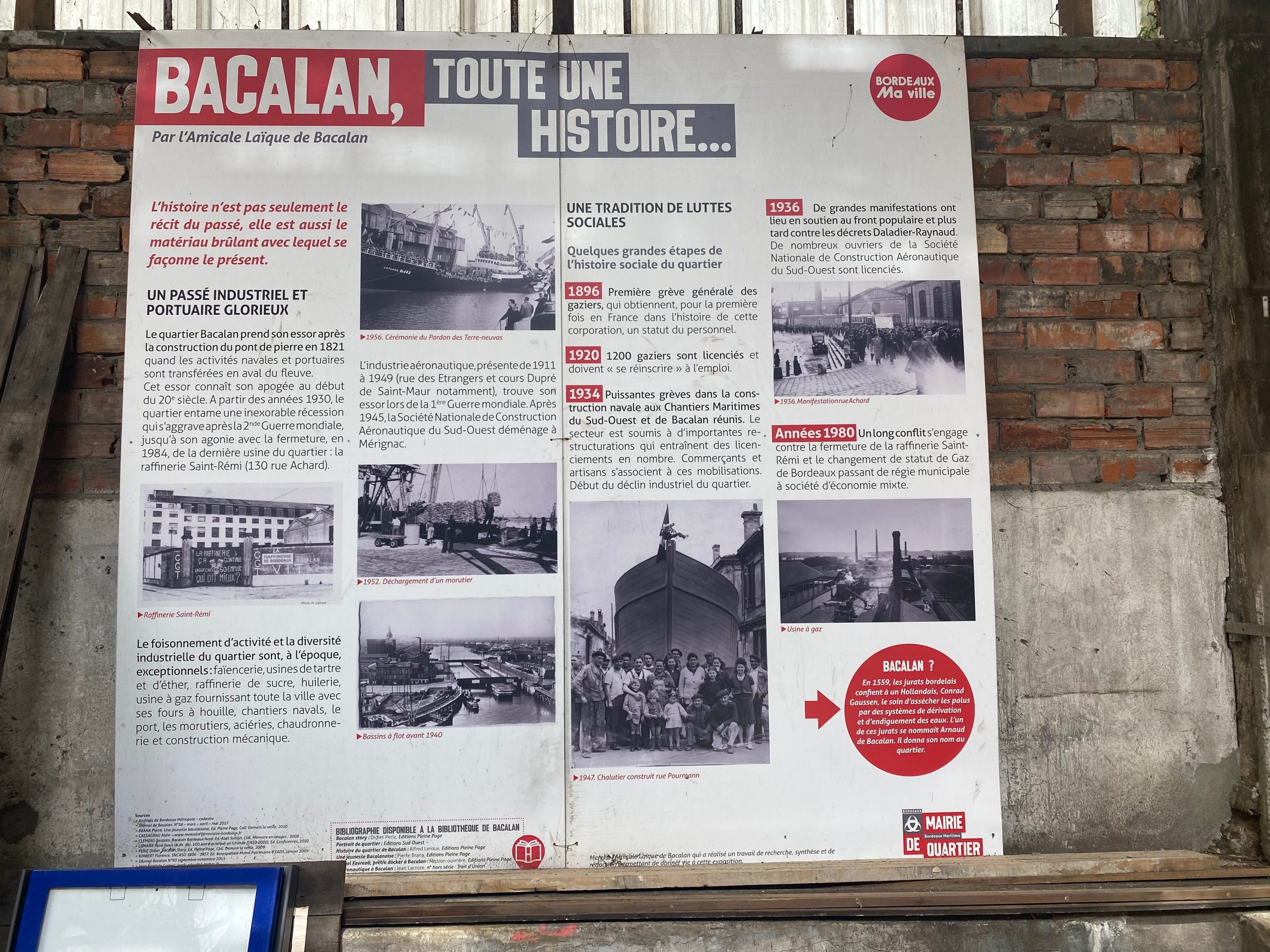
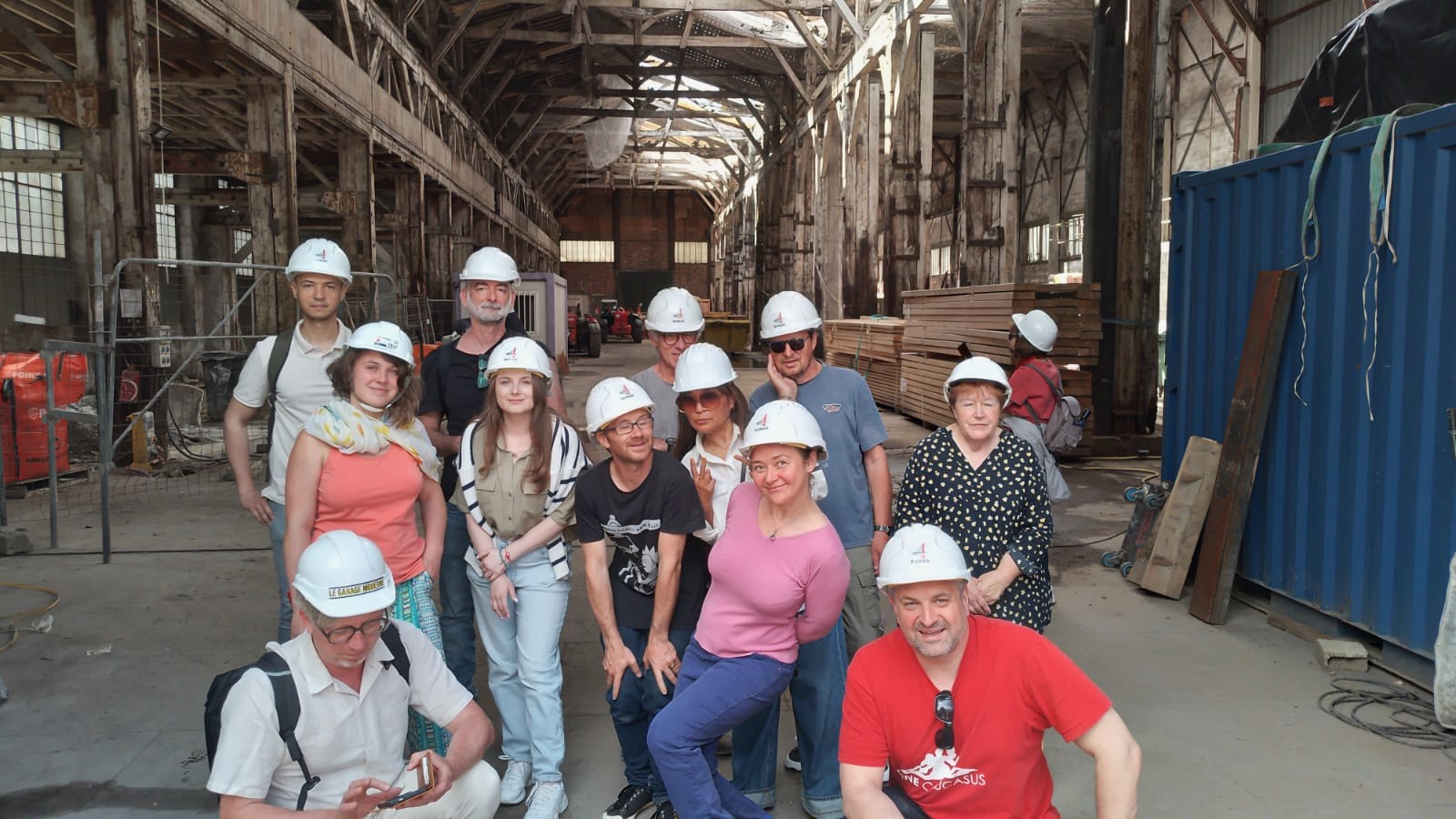
Le Garage Moderne is an old factory building of the 19th century situated in the heart of the Bacalan neighbourhood, former industrial and port area of Bordeaux now under drastic regeneration process into residence and cultural production. GM started as a citizen initiative, where people could repair their cars but consequently developed into a vibrant social center providing support for disadvantaged people, space for cultural production and community organising.

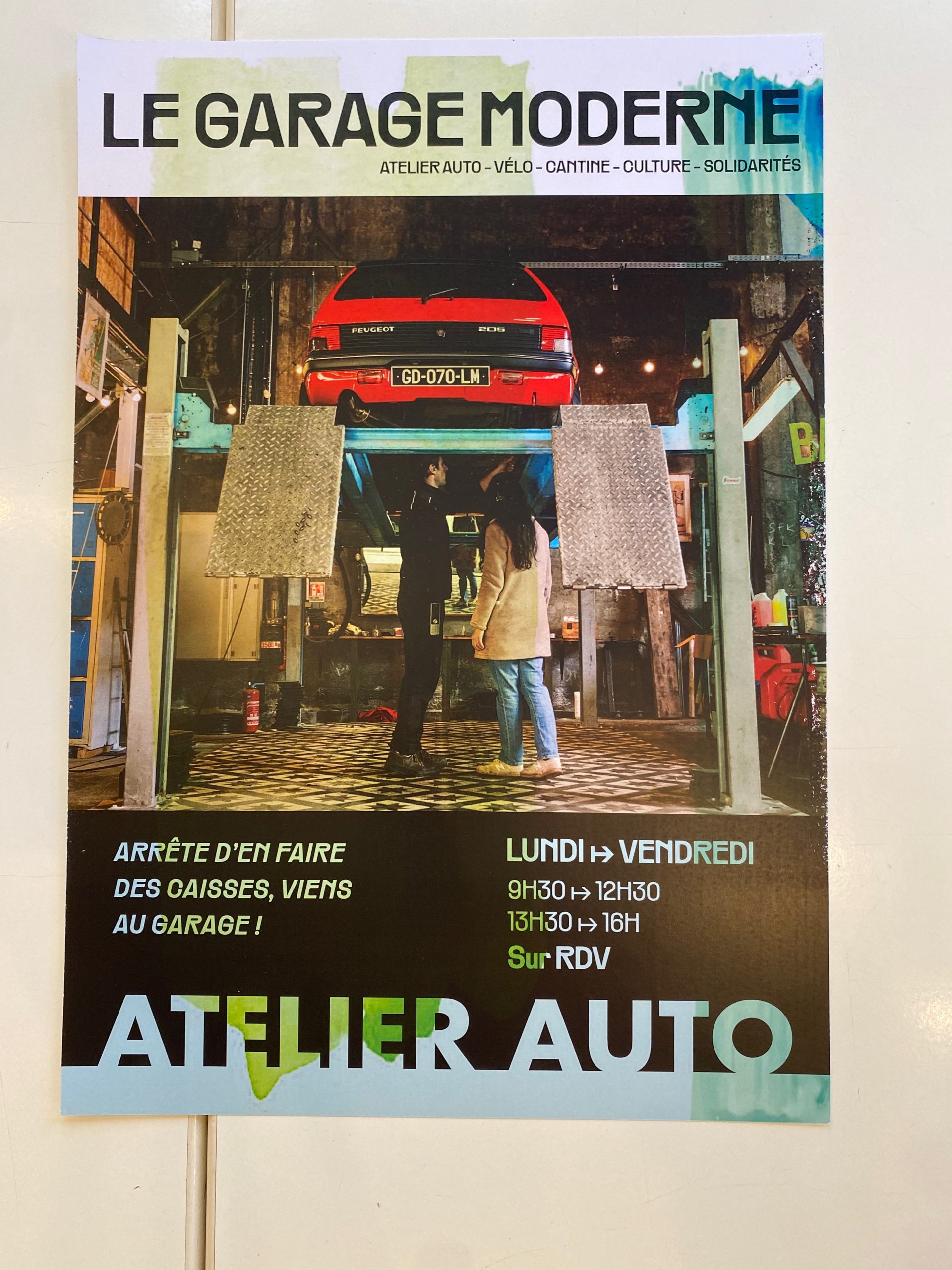
The Garage Moderne, located in Bordeaux’s Bacalan area, is a unique meeting and exchange space. You may fix your car or bike there, have lunch, get a drink during a play or concert and practise reuse and DIY. It is a community-focused space that encourages civic involvement and hosts cultural and solidarity events.

The project began in a privately owned facility that served as a communal workshop for vehicle maintenance. The location evolved into a community centre with bike repair, artist studio, and community canteen, playing an essential role in the local community. To preserve the Garage’s experience, the municipality purchased the site and granted a concession to the group that uses it as part of their area revitalisation efforts. They bear full responsibility for regeneration, but as a private company, they lack sufficient financial resources and must rely on several sources of support, including public funds.

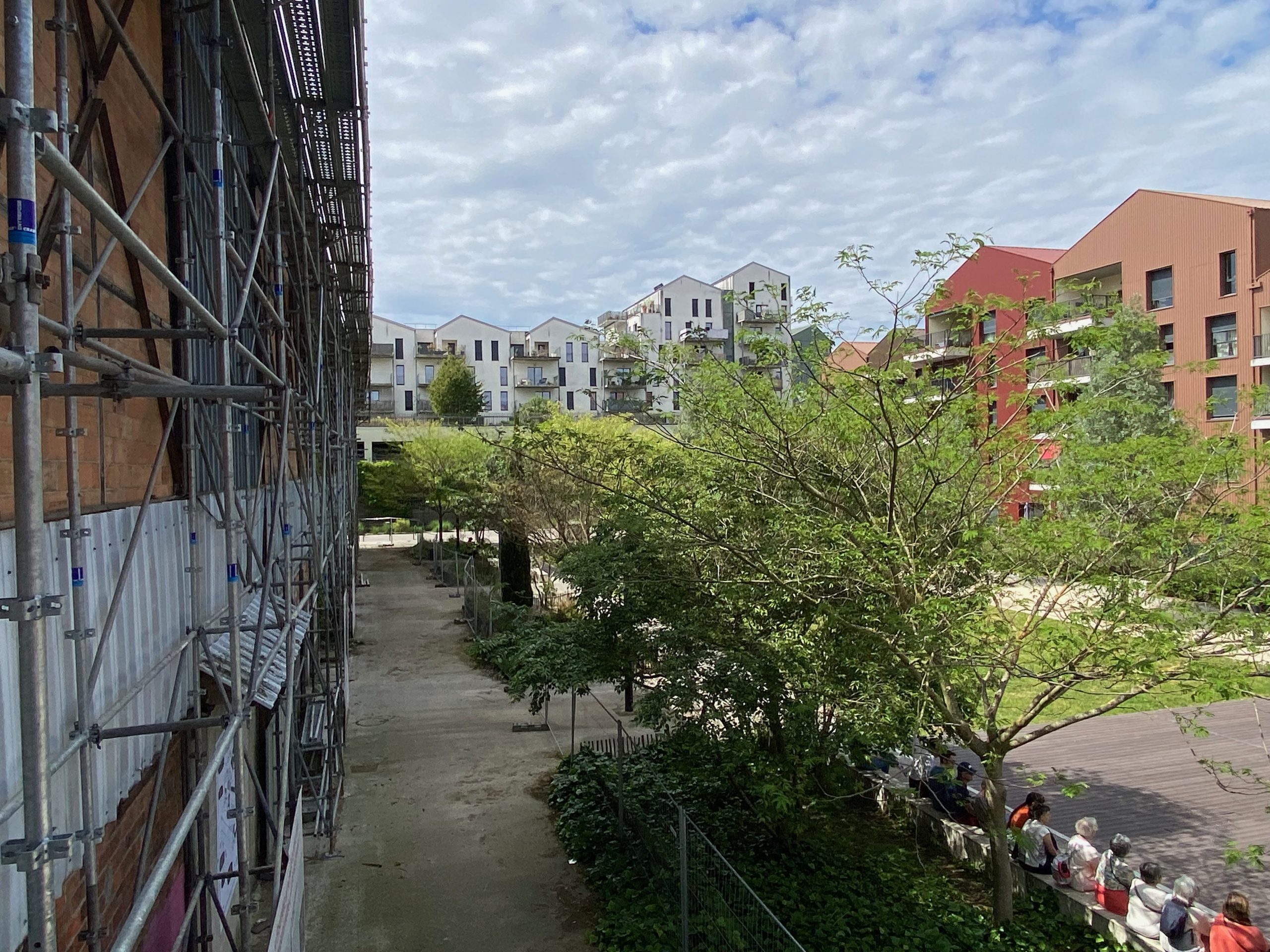
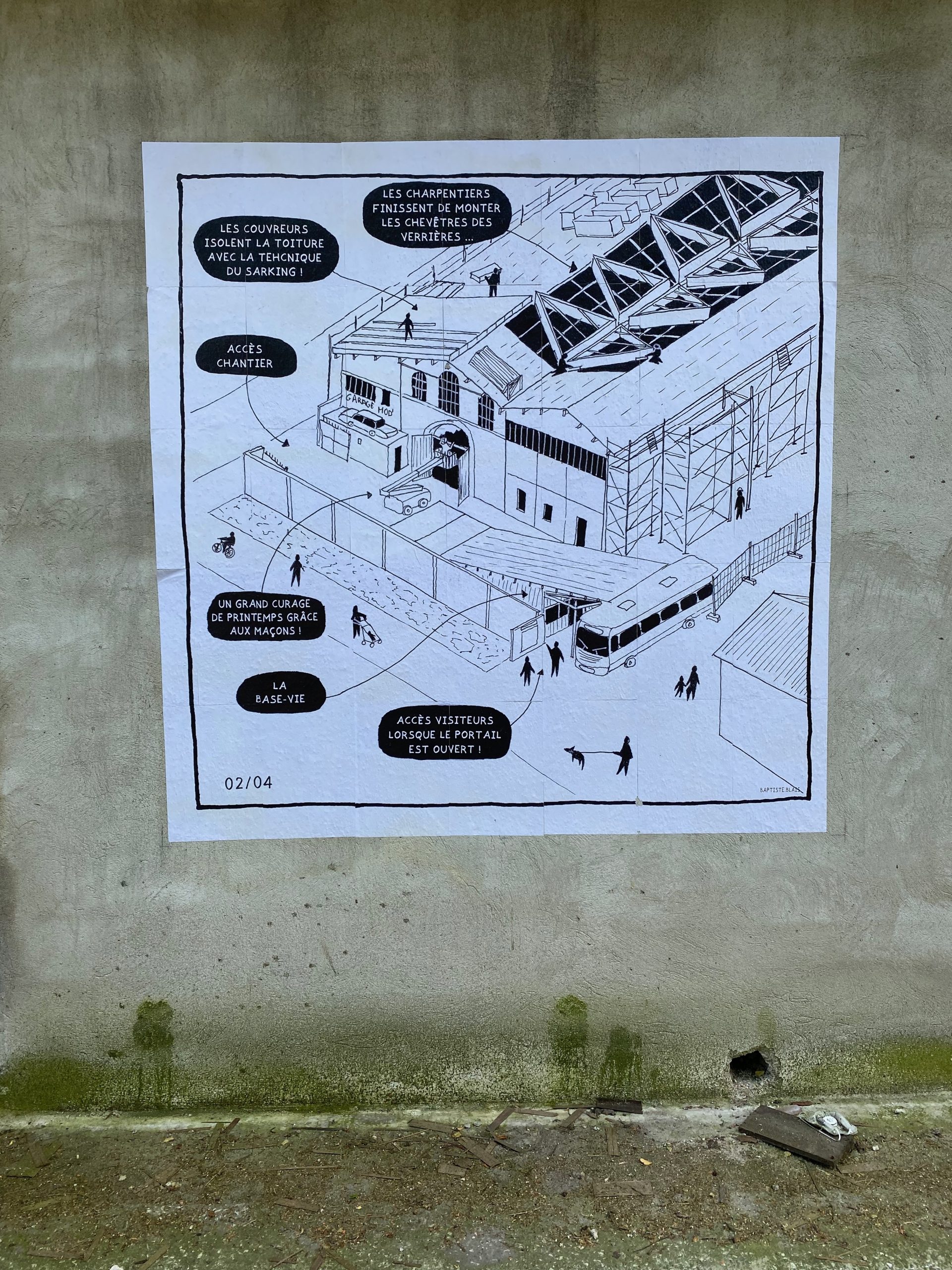
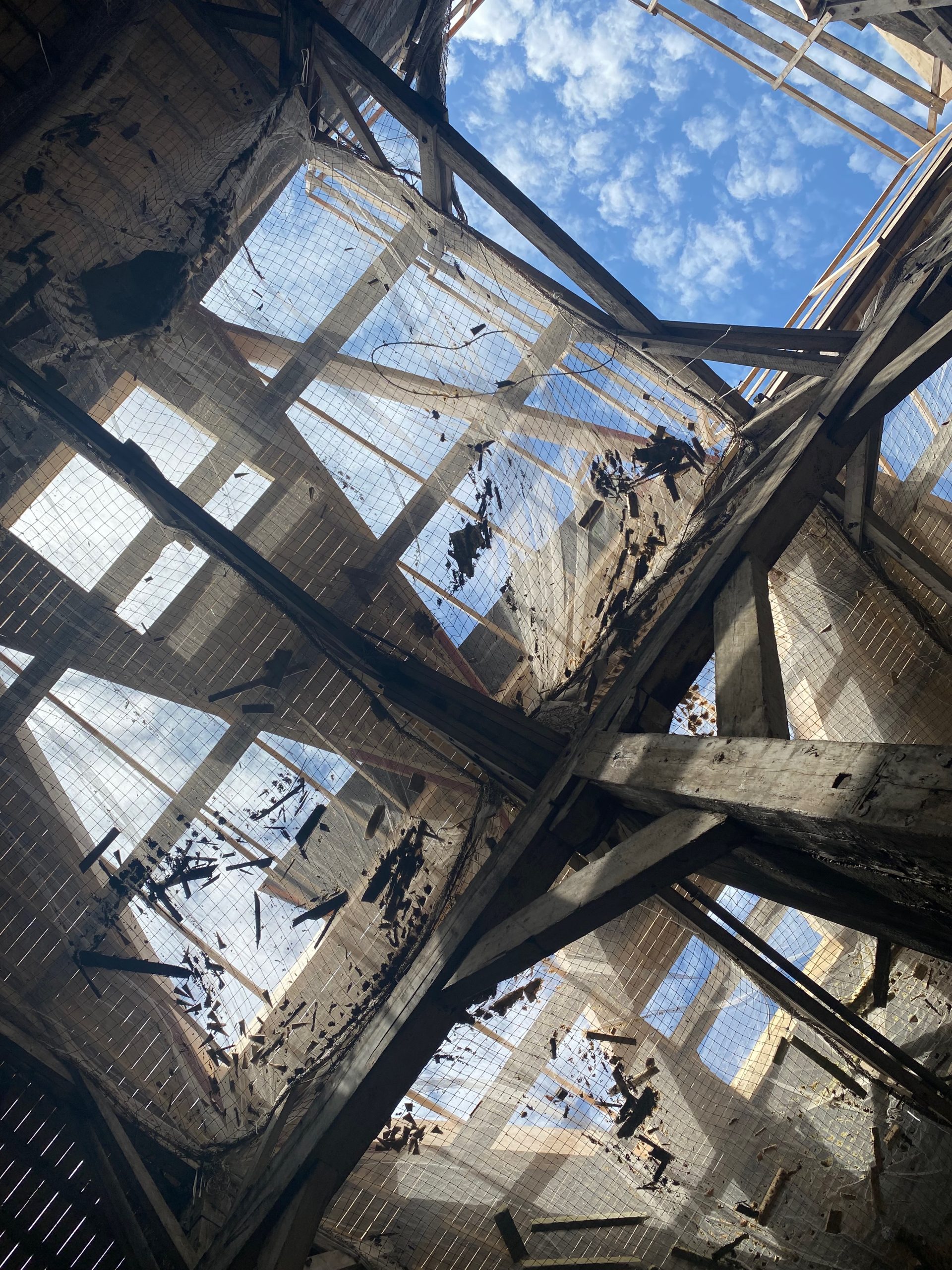
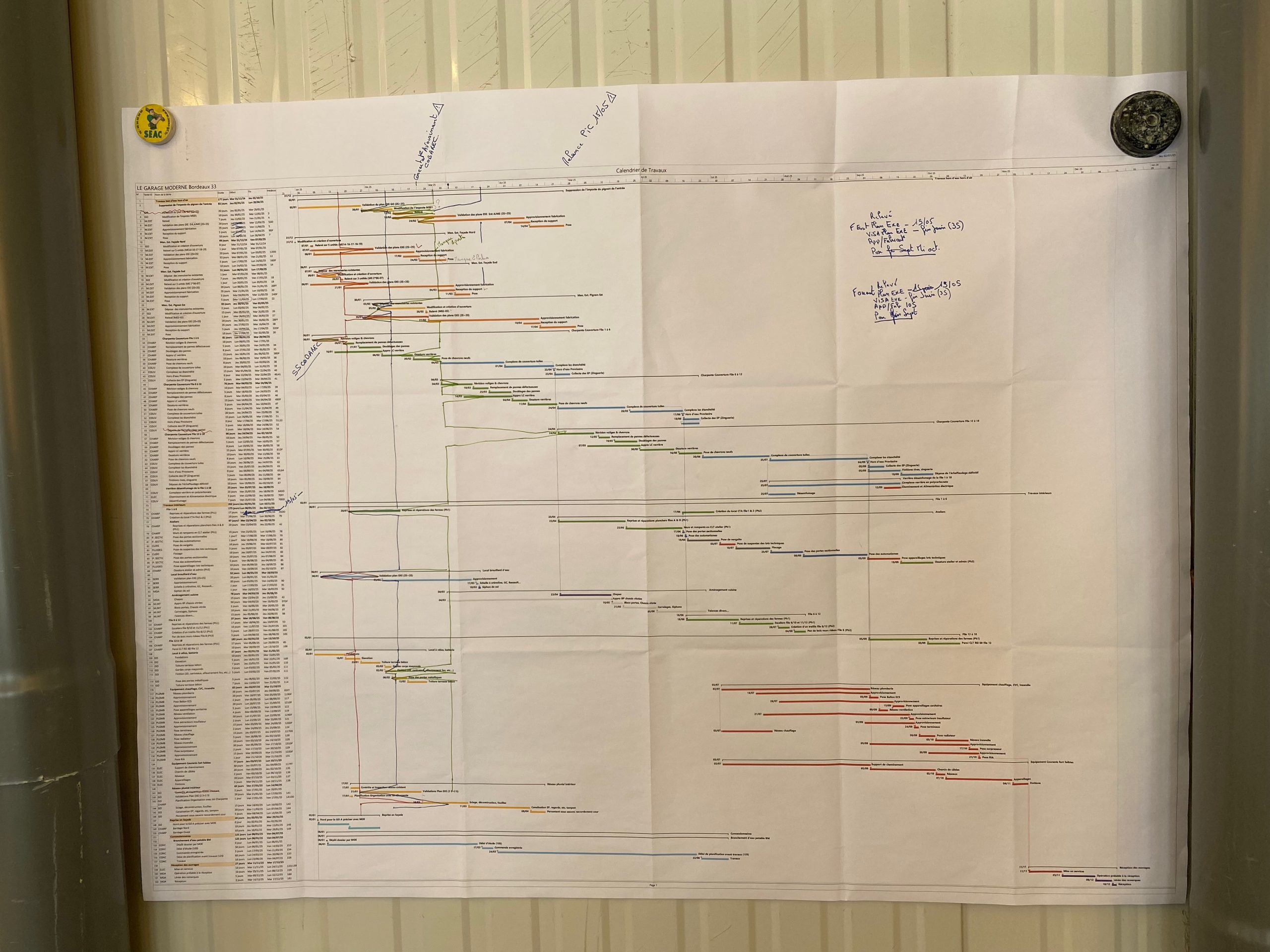
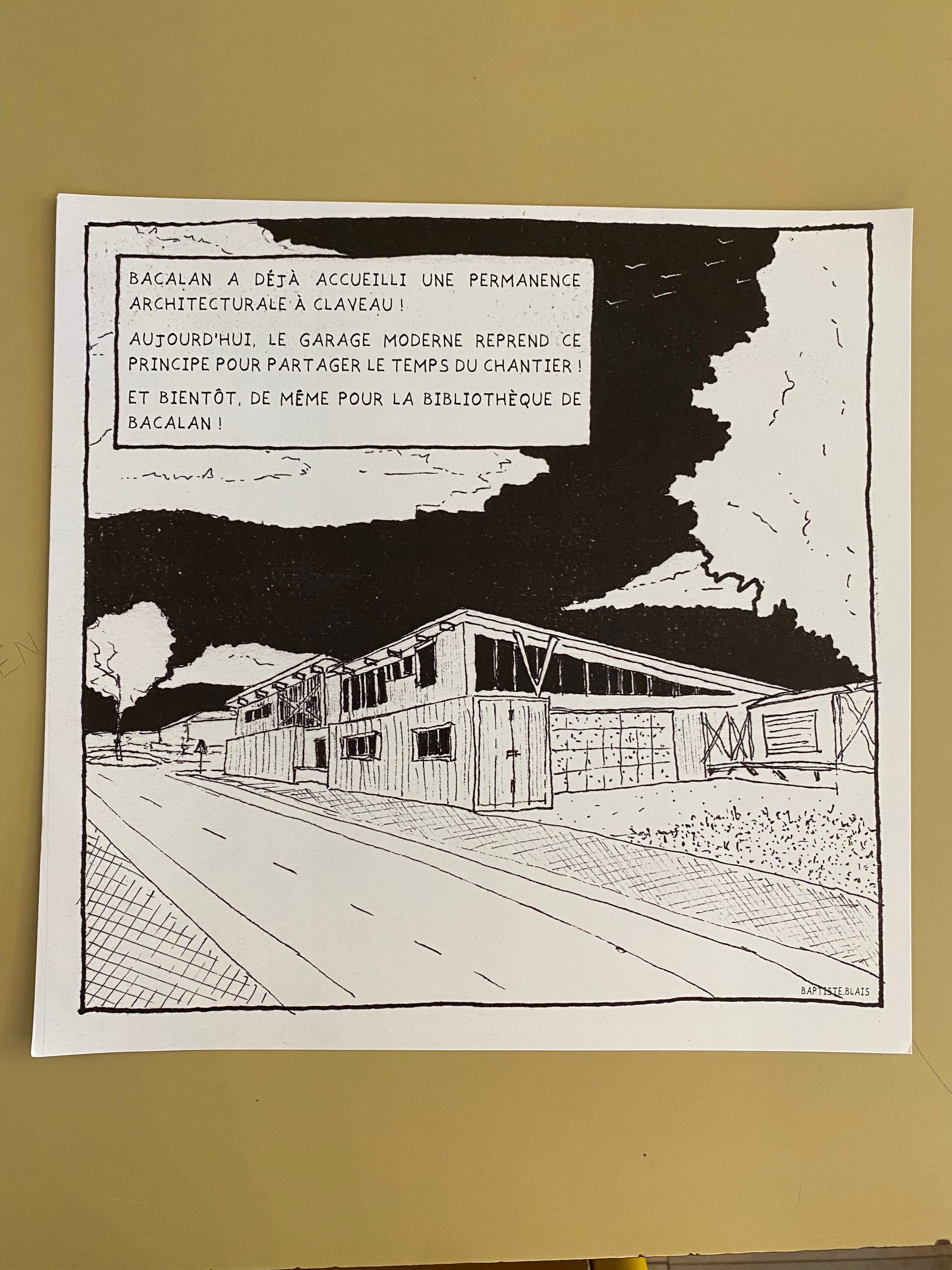
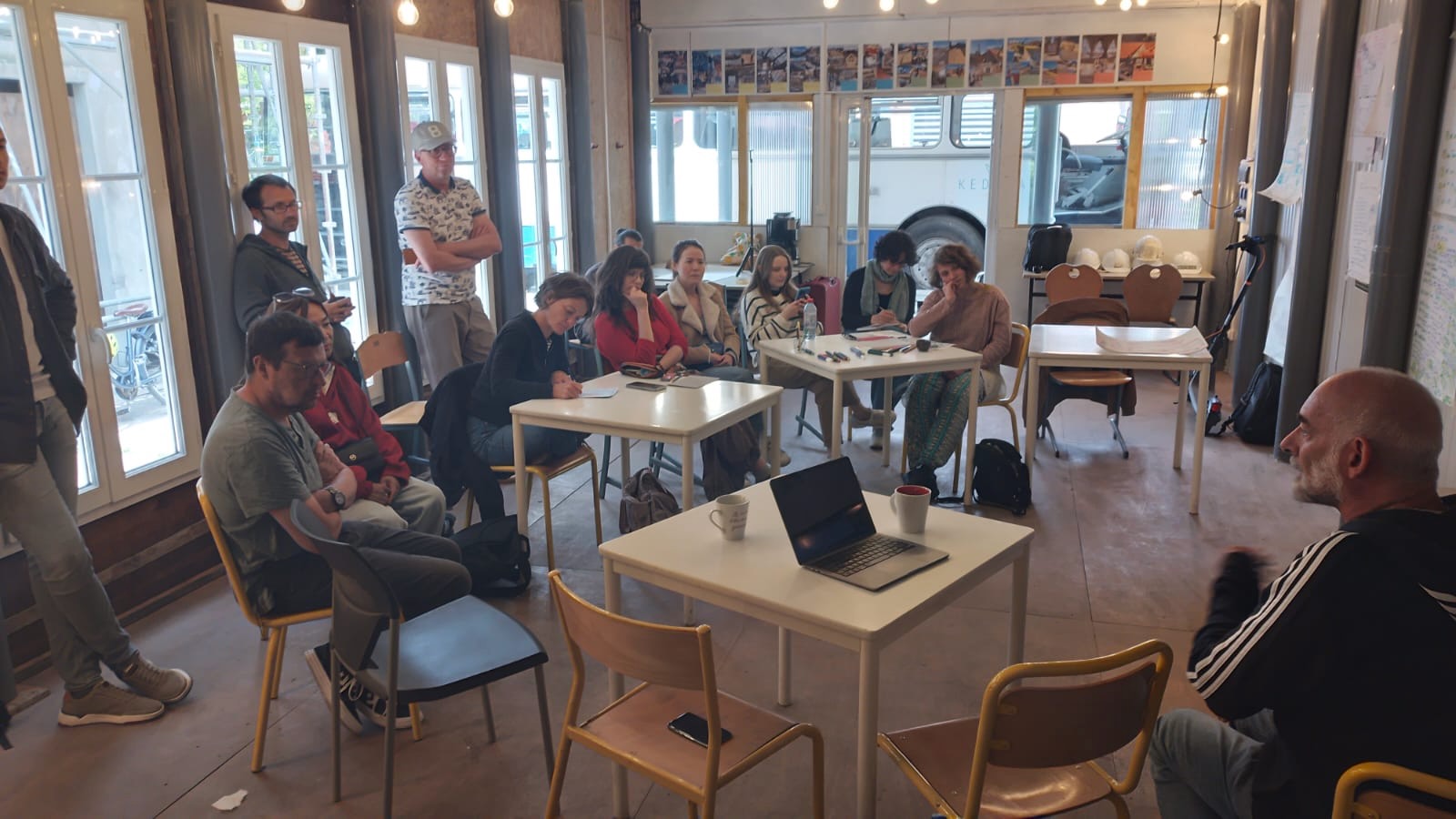
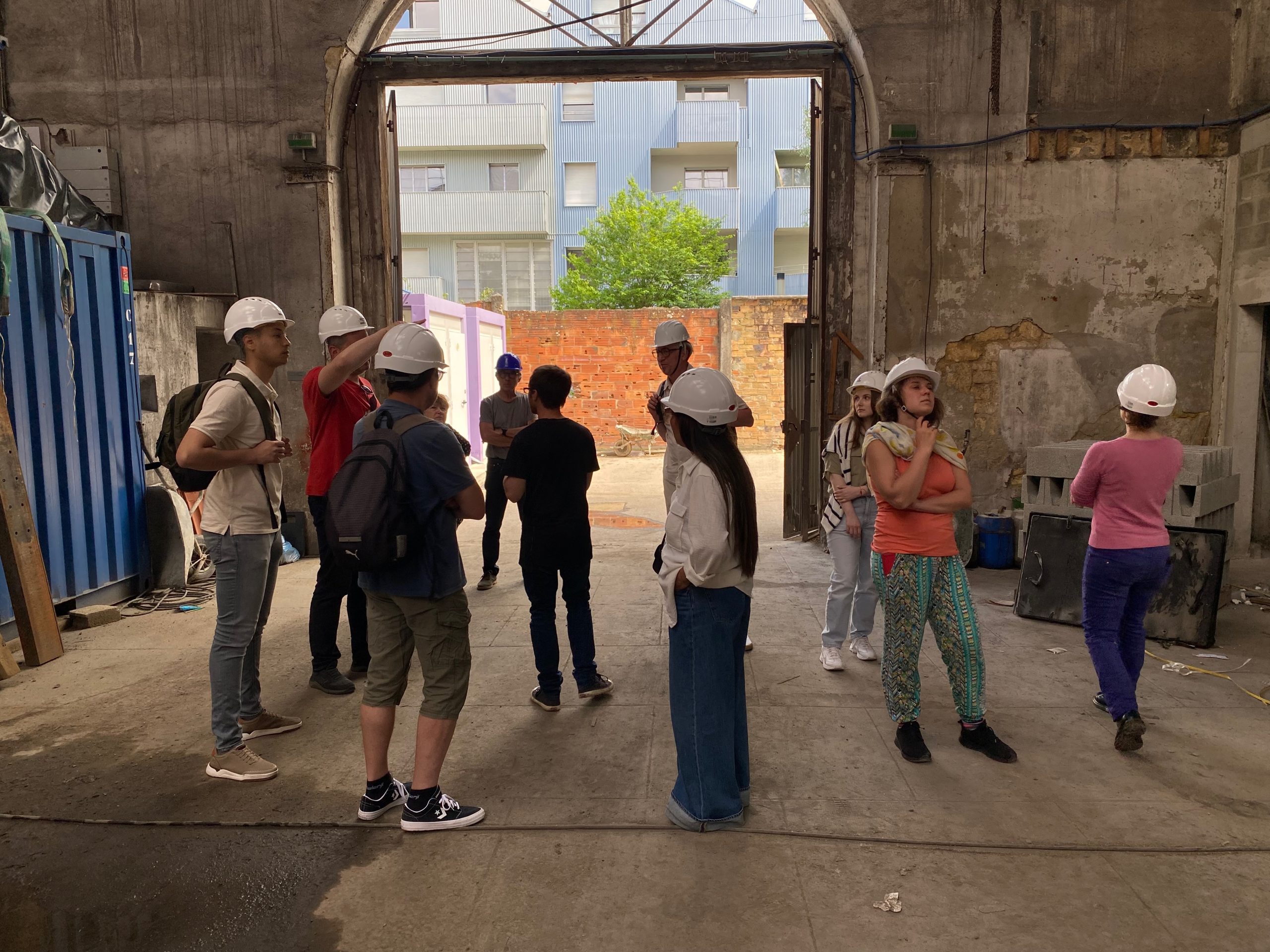
Currently, the Garage is temporarily relocated to another large industrial area in the neighbourhood that has been turned to cultural production, while work to rejuvenate the building continues. The collective was able to keep operations in the old building continuing, with a temporary structure still in use for some functions while the construction is taking place. Tesserae, through the Oasis project, contributed to the collaborative planning of the future place.

27 Mag , 2025 - Category:

Bordeaux · cultural centers · cultural regeneration · culture · France · right to repair

Official website https://legaragemoderne.org/

Oasis reconnaissance https://tesserae.eu/content/oasis-reconnaissance/

Related Posts

MEHRINGPLATZ – SÜDLICHE FRIEDRICHSTADT

MEHRINGPLATZ – SÜDLICHE FRIEDRICHSTADT

Suffering from its marginalized position during the years of the German division, the neighborhood was recognized and labelled as a deprived area in 2005 due to its low standards of economic development, its poor social integration and quality of life. These characteristics made the territory of Südliche Friedrichstadt a periphery in the centre of Berlin, as the area is located in the proximity of some of the city’s main attractive spots, such as the lively Mitte and the creative Friedrichschain-Kreutzberg. In a twenty-year time-span, a set of policies of local urban renewal has been gradually implemented to re-centralize the neighborhood, starting from the very re-centralization of the role of its residents in directly participating in small decision-making processes. This served to acknowledge, create and institutionalize their identity as a geo-social collectivity. Commercial, leasure and creative initiatives have begun to flourish in the area, projecting it as an emblem of juxtapositions and contradictory tendencies characterizing modern urban contexts, whereby transitions to new lifestyles are mediated by old identites and latent risks of gentrification, displacement and social conflicts.

HAUS DER STATISTIK

HAUS DER STATISTIK

Forgotten for almost a decade, the complex of buildings that once constituted the offices for the administration of statistics under the old socialist regime came to the center of the public discourse as a symbol of an across-the-board struggle for the right to the city of Berlin. Civic society actors and public stakeholders joined their efforts to put the unconditional selling of publicly-owned buildings to a halt, stressing the need to replace the monetary principle with the pursuing of the societal common good. The professionalization of bottom-up forms of activism claiming space for culture and diversity transformed the Haus der Statistik initiative into a large-scale project. This currently aims at regenerating the buildings to benefit local neighborhoods, refugees and cultural producers alike through the implementation of participatory practices of urban development.

Panoramica privacy

This website uses cookies so that we can provide you with the best user experience possible. Cookie information is stored in your browser and performs functions such as recognising you when you return to our website and helping our team to understand which sections of the website you find most interesting and useful.