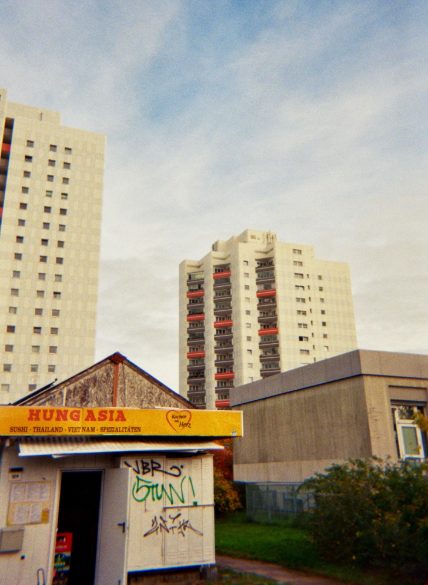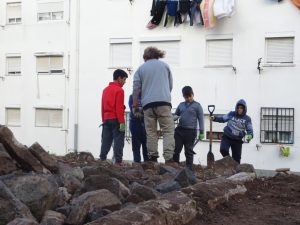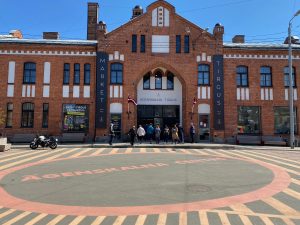
Hohenschönhausen is a district part of the borough of Lichtenberg. During the separation of the city, this borough of East Berlin was part of the German Democratic Republic (GDR). Nowadays, the population of Hohenschönhausen is increasing its cultural diversity, with a significant Vietnamese community resulting from a guest worker program implemented in the 1980s. In recent years, Neu-Hohenschönhausen has hosted three refugee centers, and the district is making efforts to promote integration and community solidarity through public investments.
Hohenschönhausen has a complex history. Known for its gloomy reputation during the GDR regime as the harbour of the Stasi headquarters, the district is today negotiating its identity stretched between its socialist past and new multicultural influences. During the division of Berlin, it became notorious for hosting the former headquarters of the Ministry of State Security (Stasi) and a central detention center used by the Stasi. Hohenschönhausen is a district of more than 100,000 inhabitants which shows other very interesting aspects. Mainly made up of the southern part «Alt-Hohenschönhausen» and the northern part «Neu-Hohenschönhausen», these two areas are significantly different. Alt-Hohenschönhausen has a very old historical past dating back to the Middle Ages and existed as a village. Some evidences of its past – such as some cemeteries or churches – are still there. This part of the district is also made of very different neighborhoods, such as an industrial zoning, a modest mixed neighborhood, or even a richer residential area composed of villas along the lakes of Orankesee and Obersee (e.g. the Haus Lemke by Mies van der Rohe). Neu-Hohenschönhausen is, by contrast, known as a large modernist complex area of the 70’s-80’s in which the so-called building type Plattenbau can be found repeatedly (buildings built with prefabricated concrete slabs, often considered to be typical of the GDR).
Like many other districts in Berlin, the population of Hohenschönhausen includes many different nationalities. The district of Lichtenberg however – including Hohenschönhausen – is particularly well known for its Vietnamese community as a result of an agreement in the 80’s between the GDR and Vietnam on a guest worker program (Vertragsarbeiter). There is also a significant population related to the Eastern European countries due to their previous adhesion to the Soviet Union. More recently, Neu-Hohenschönhausen has also hosted three refugee centers. Important public investment is currently being made in integration policies to encourage the commitment of the inhabitants of Hohenschönhausen to an open and solidary community.
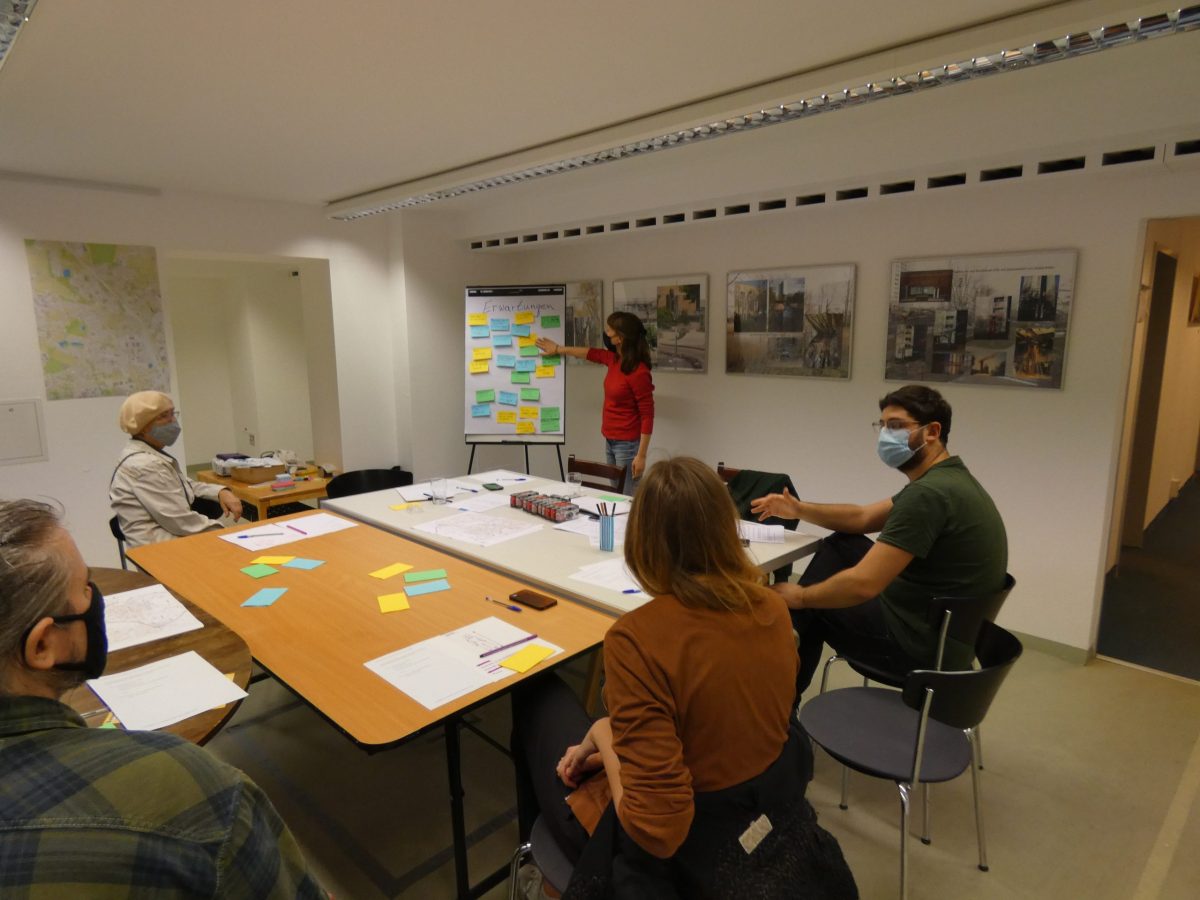
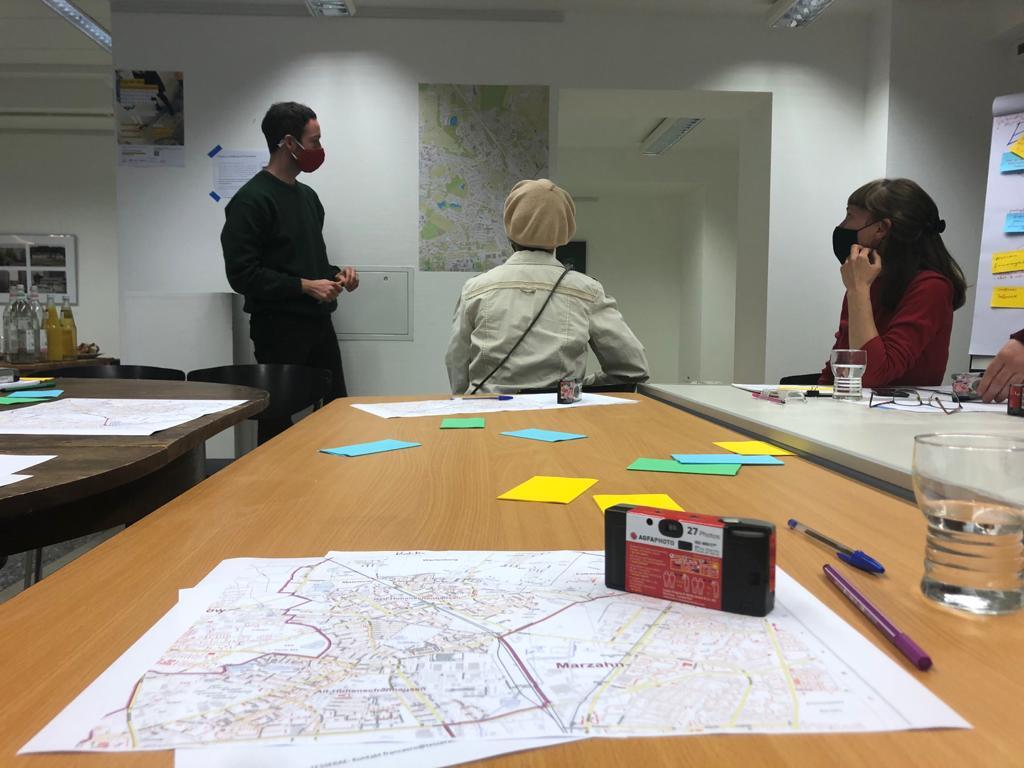
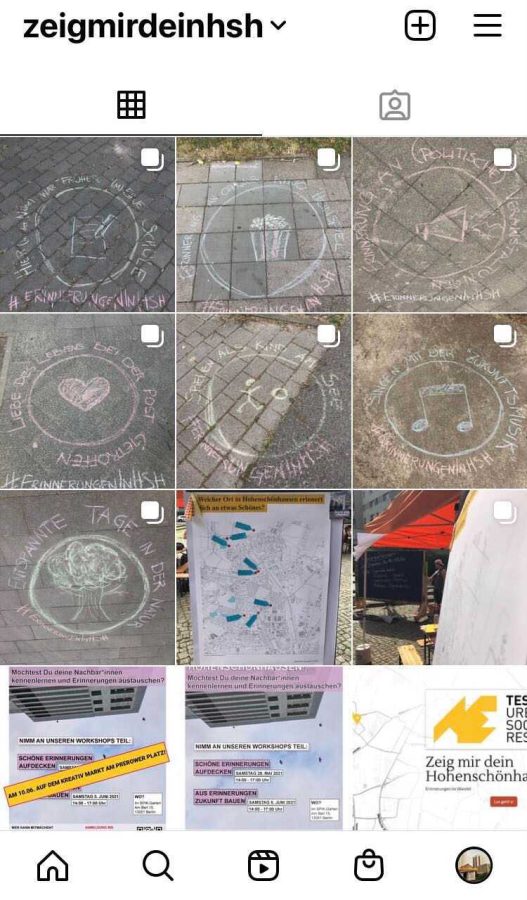
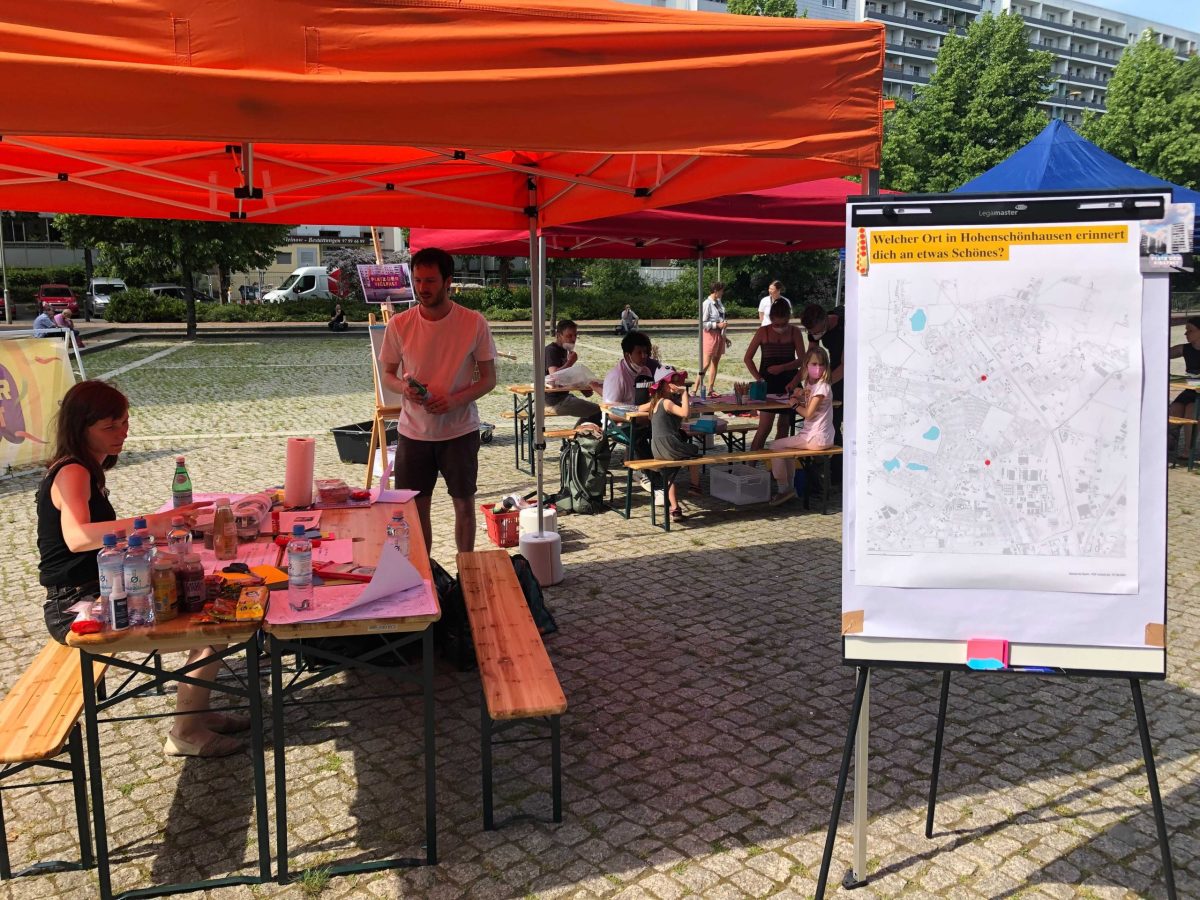
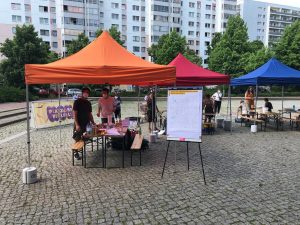
In this context, Tesserae has developed participatory workshops with local residents on topics related to issues of a memory culture being documented by residents of the district themselves, promoting activities of community storytelling.
Link & Download
Visual narrative project directed by Tesserae Zeig mir Deine Hohenschönhausen (Show me your Hohenschönhausen)