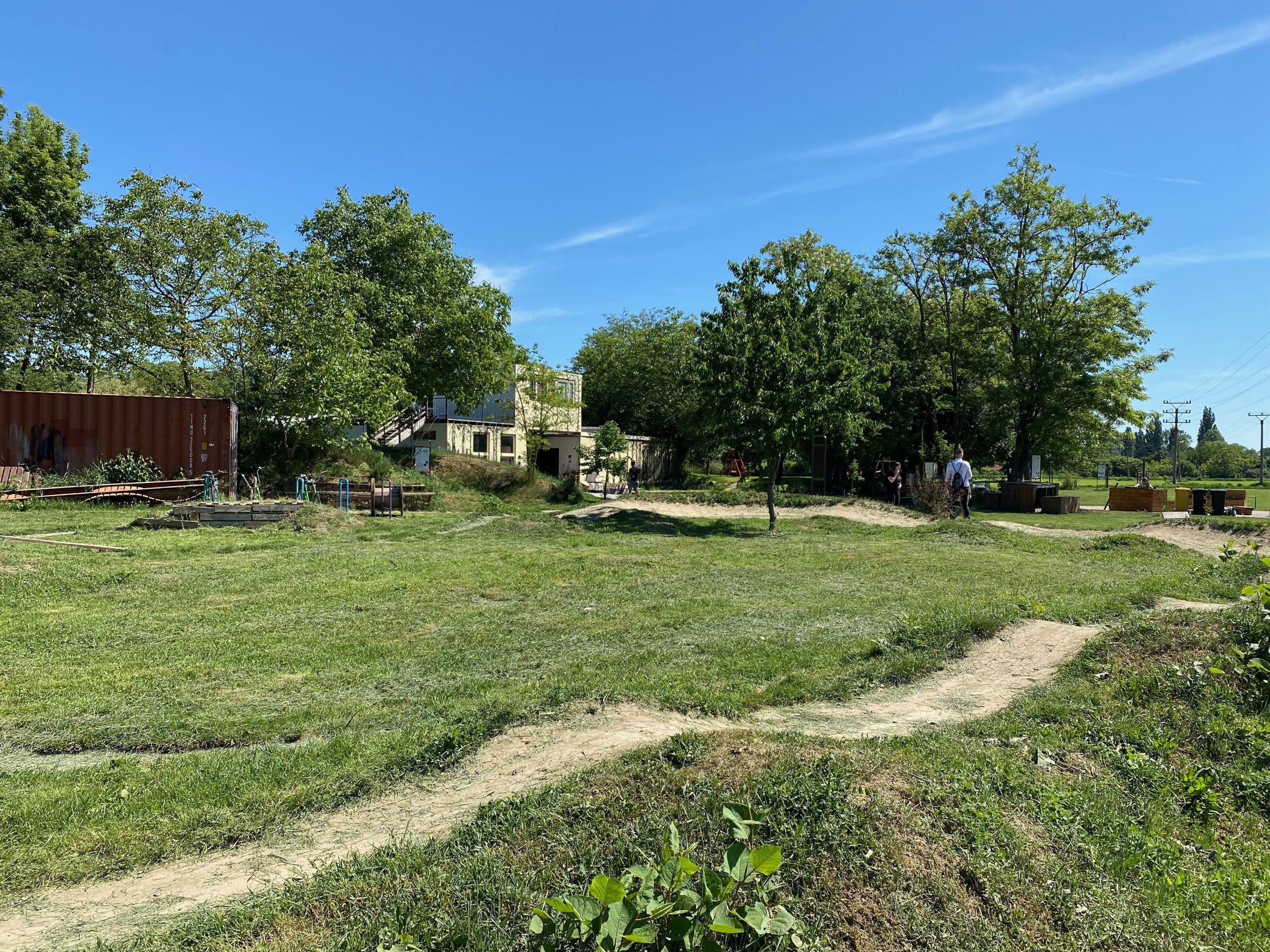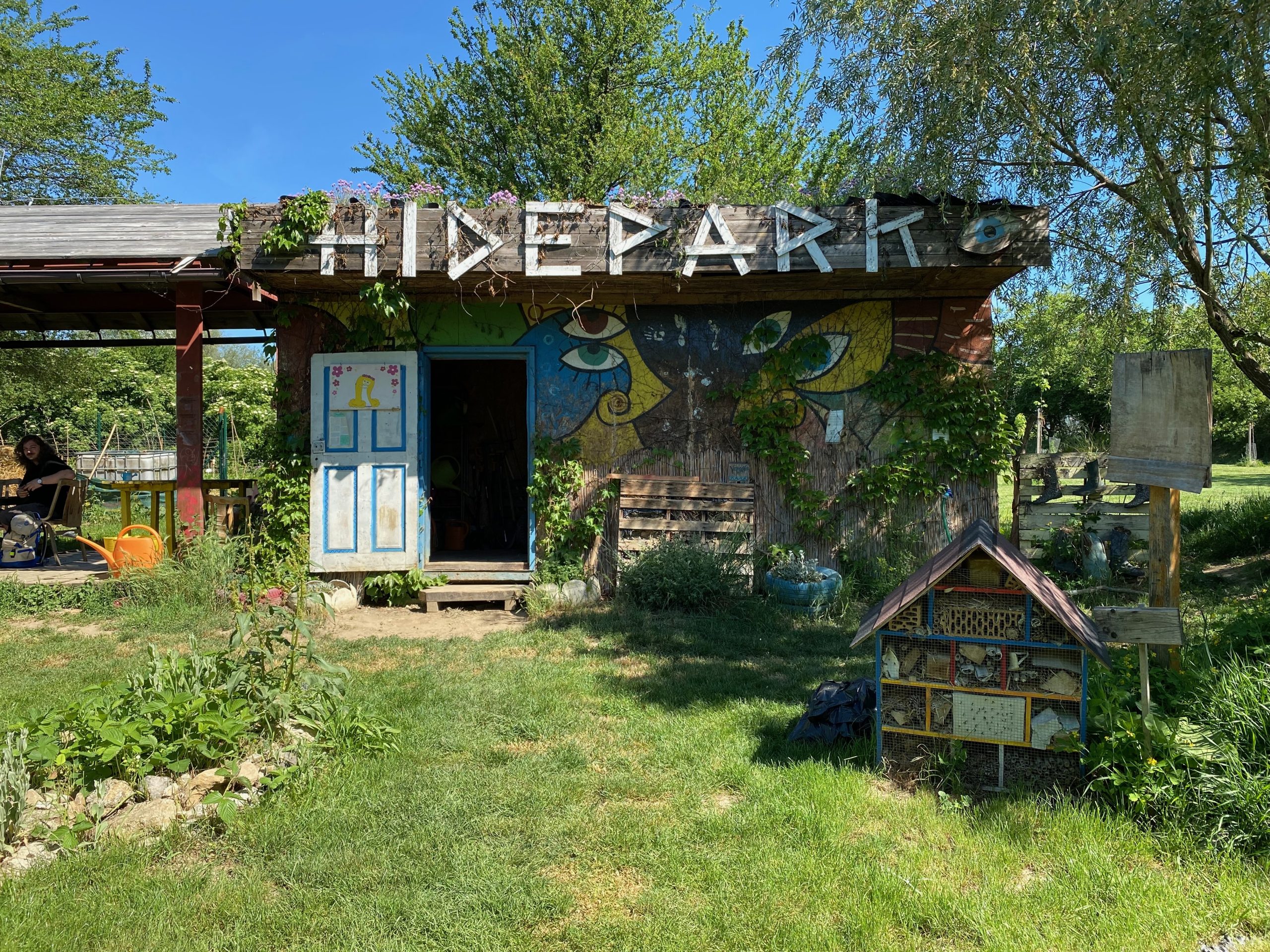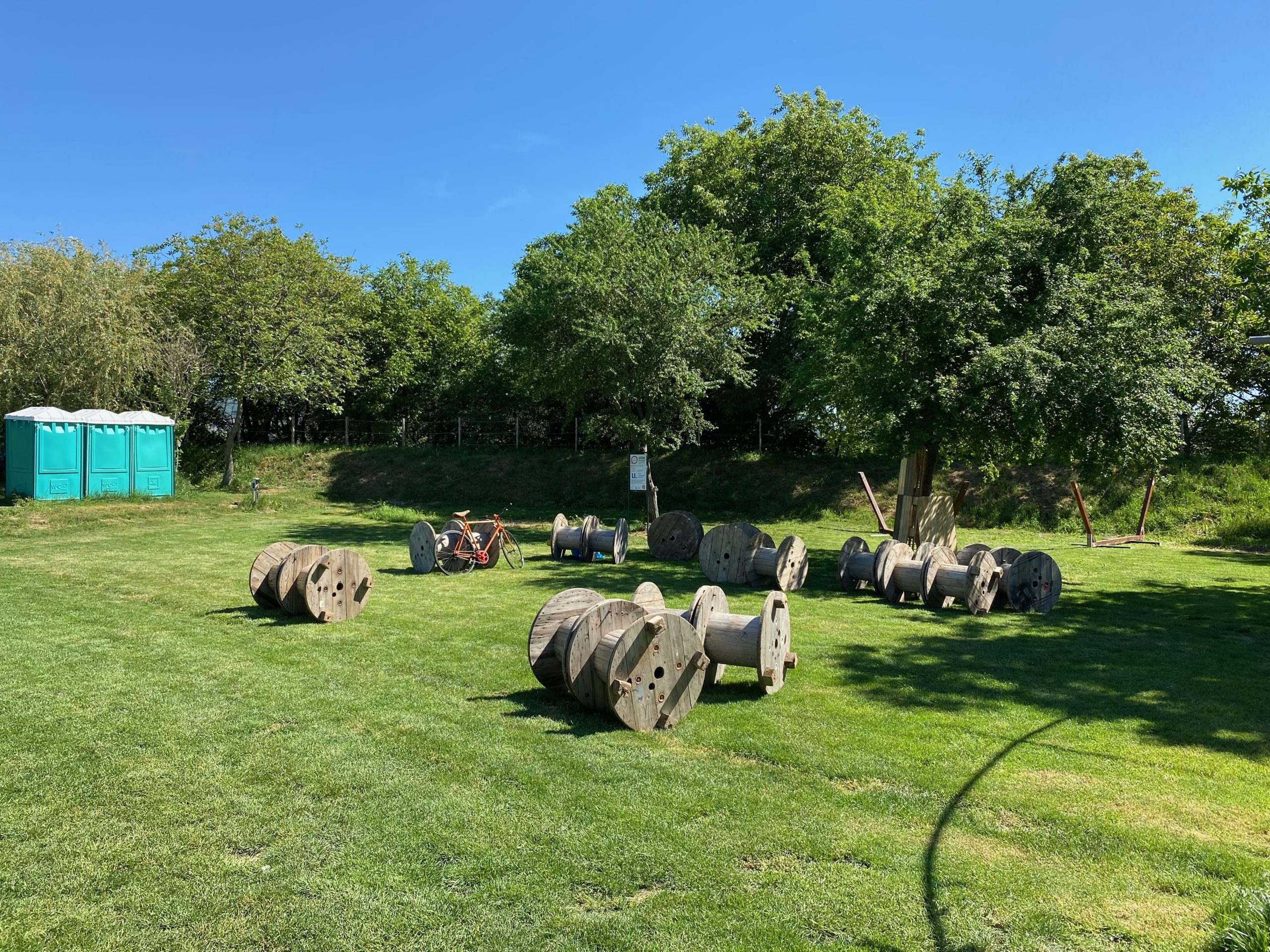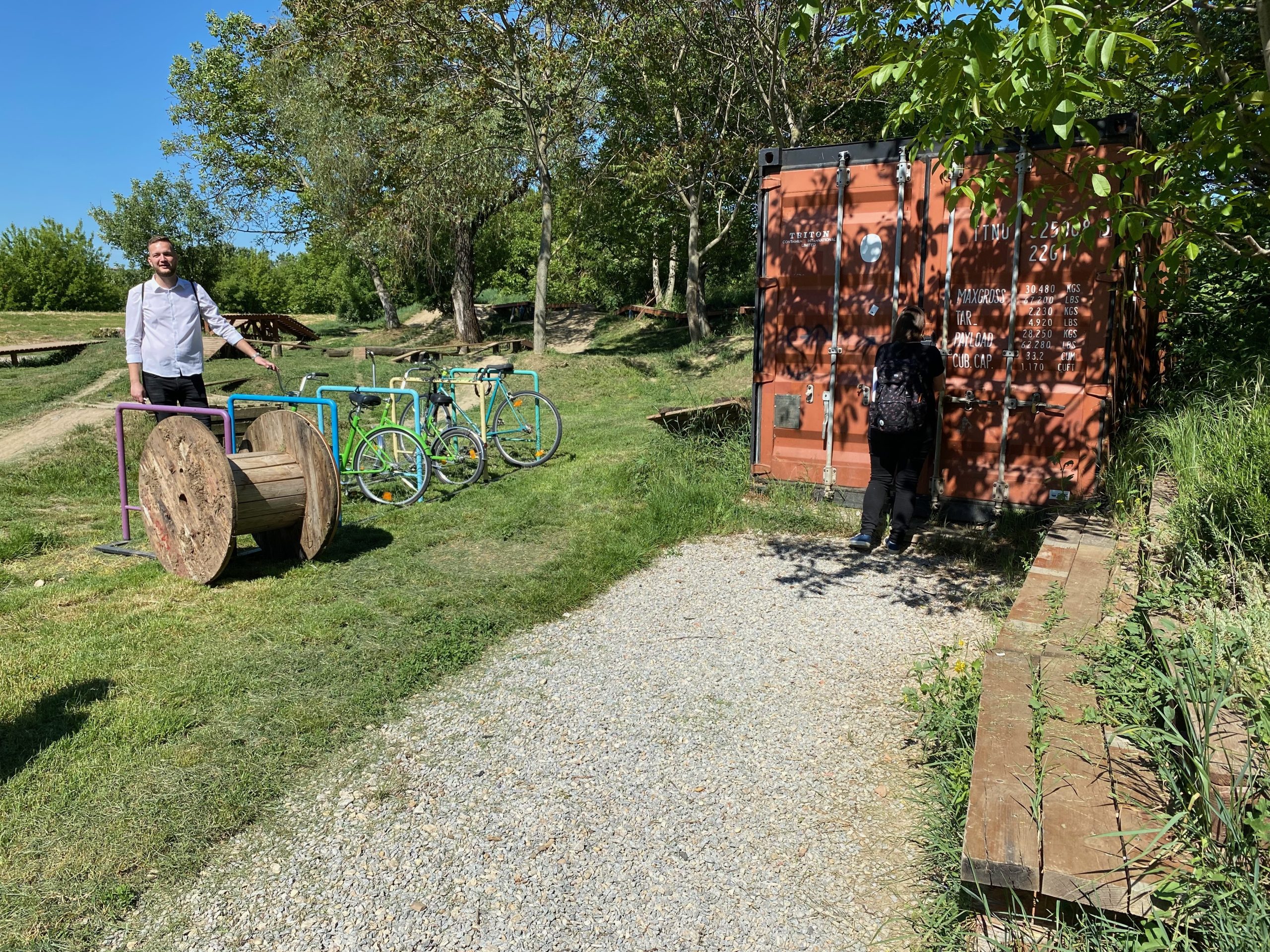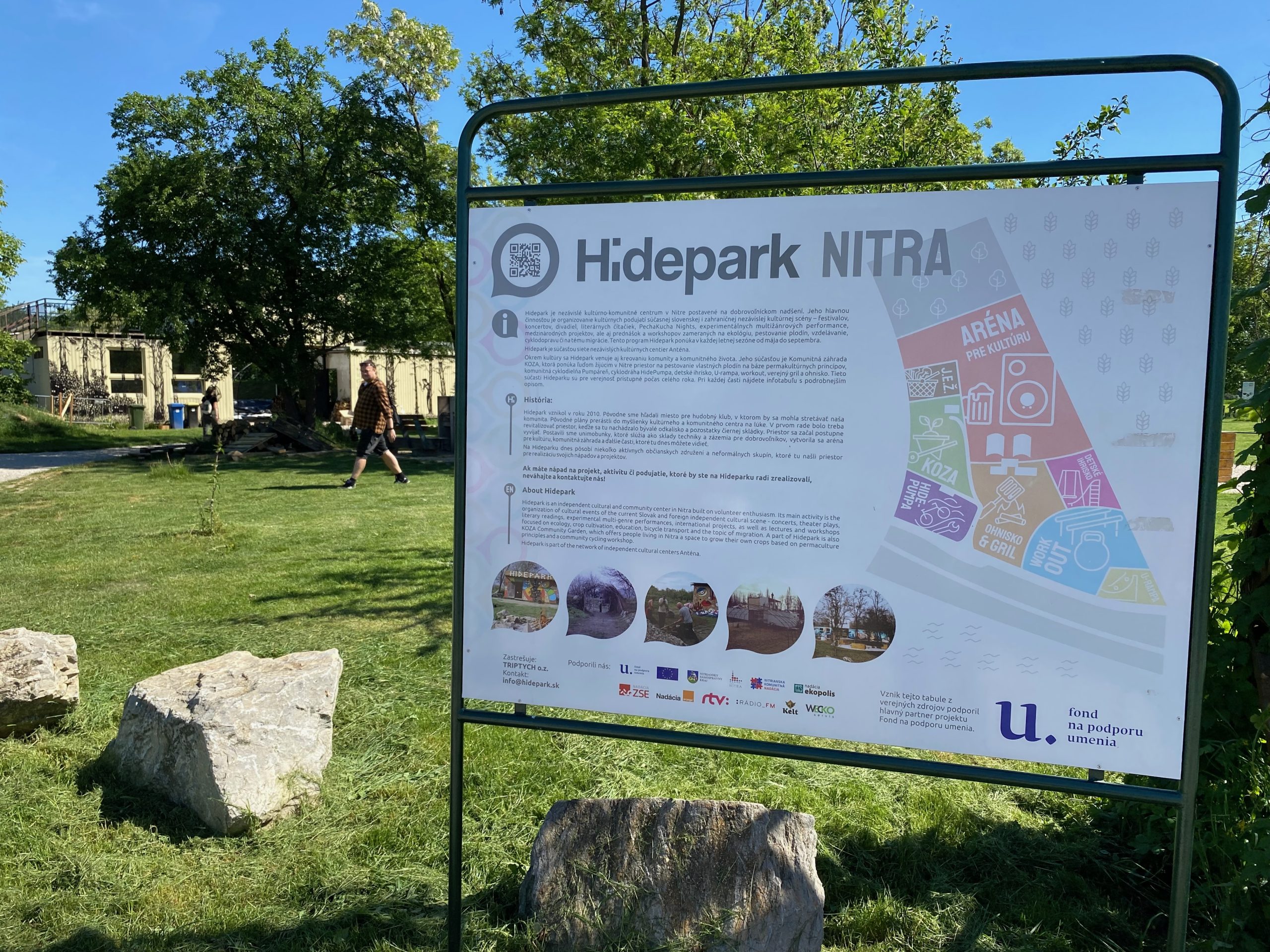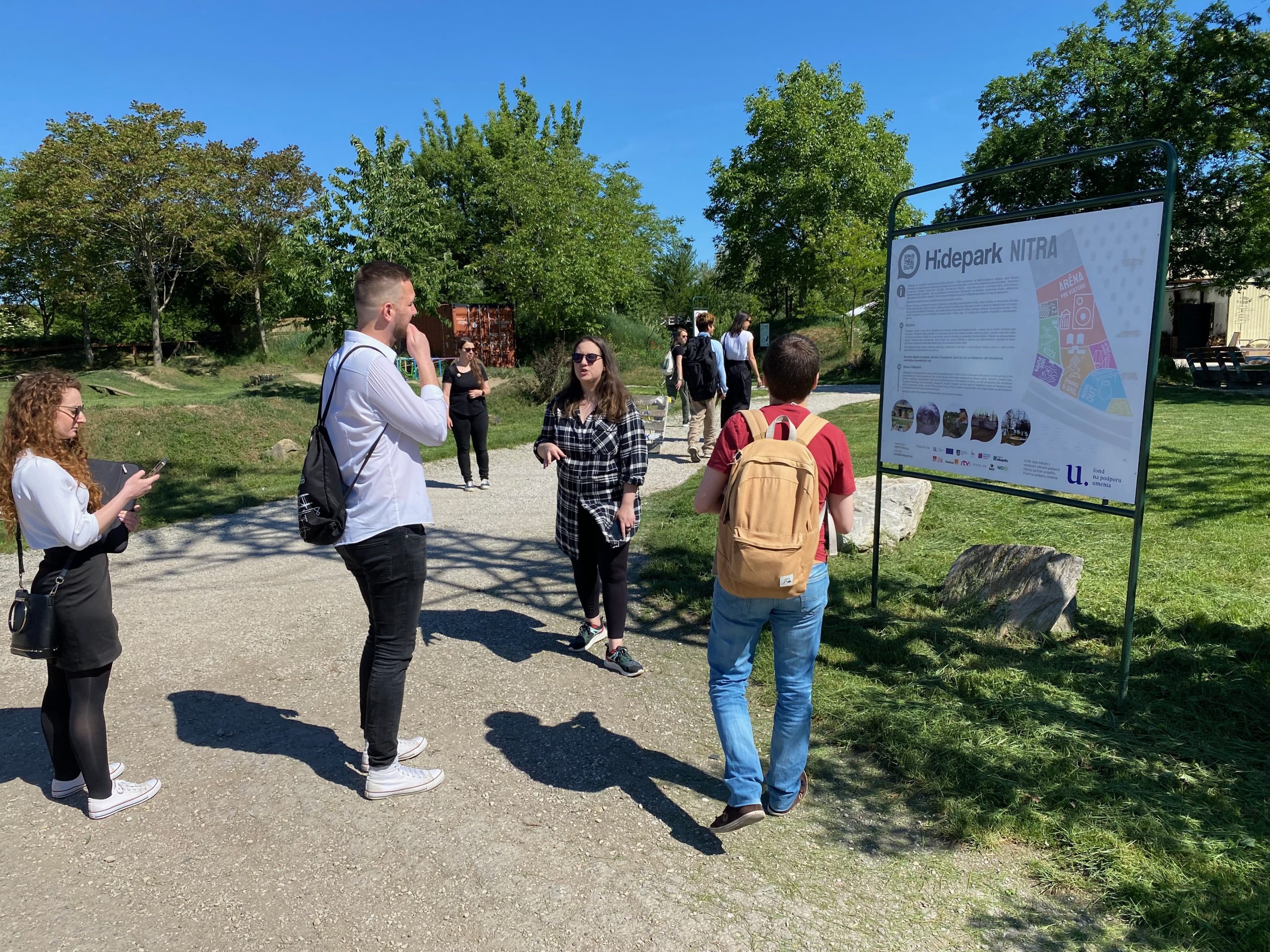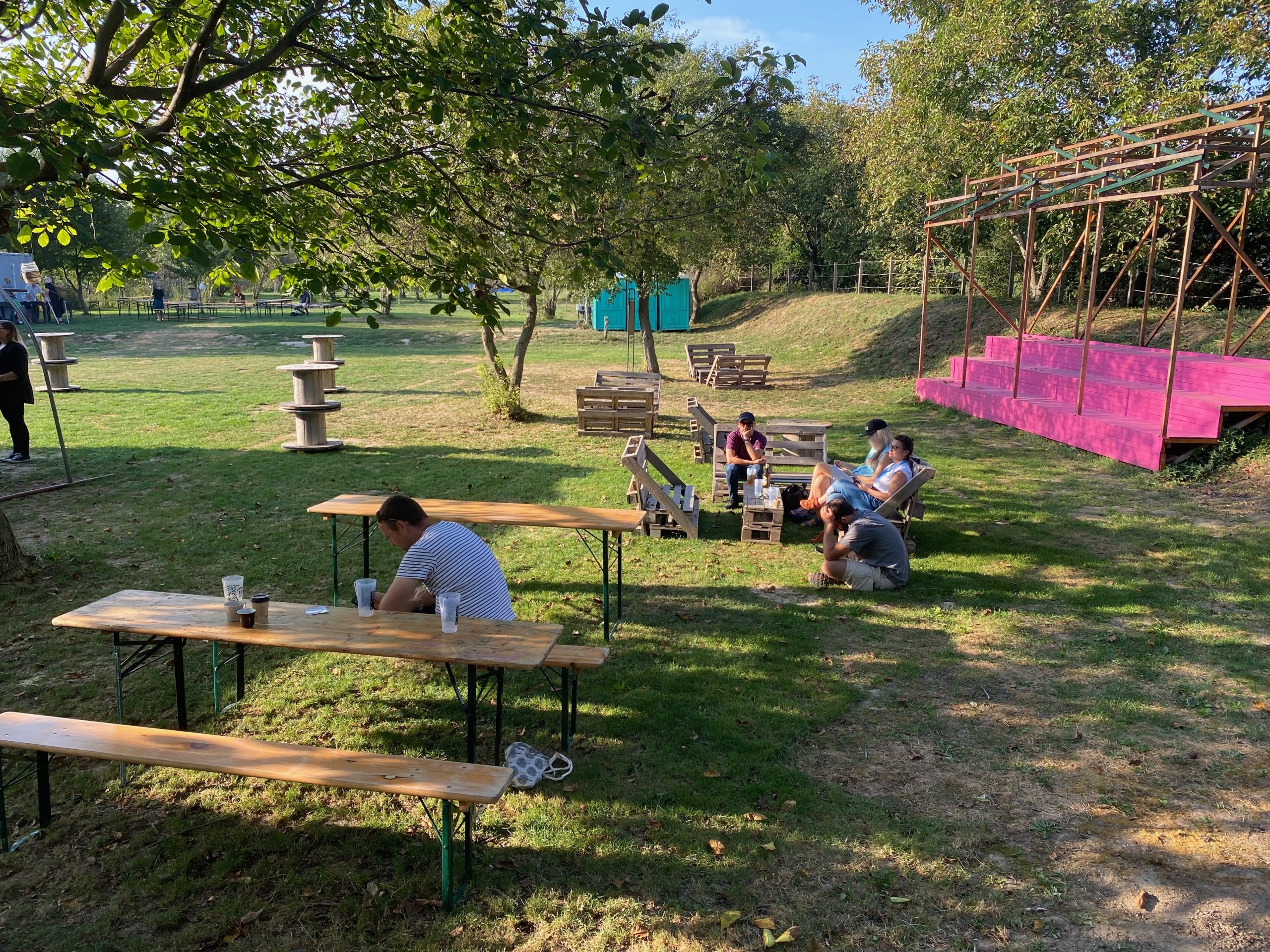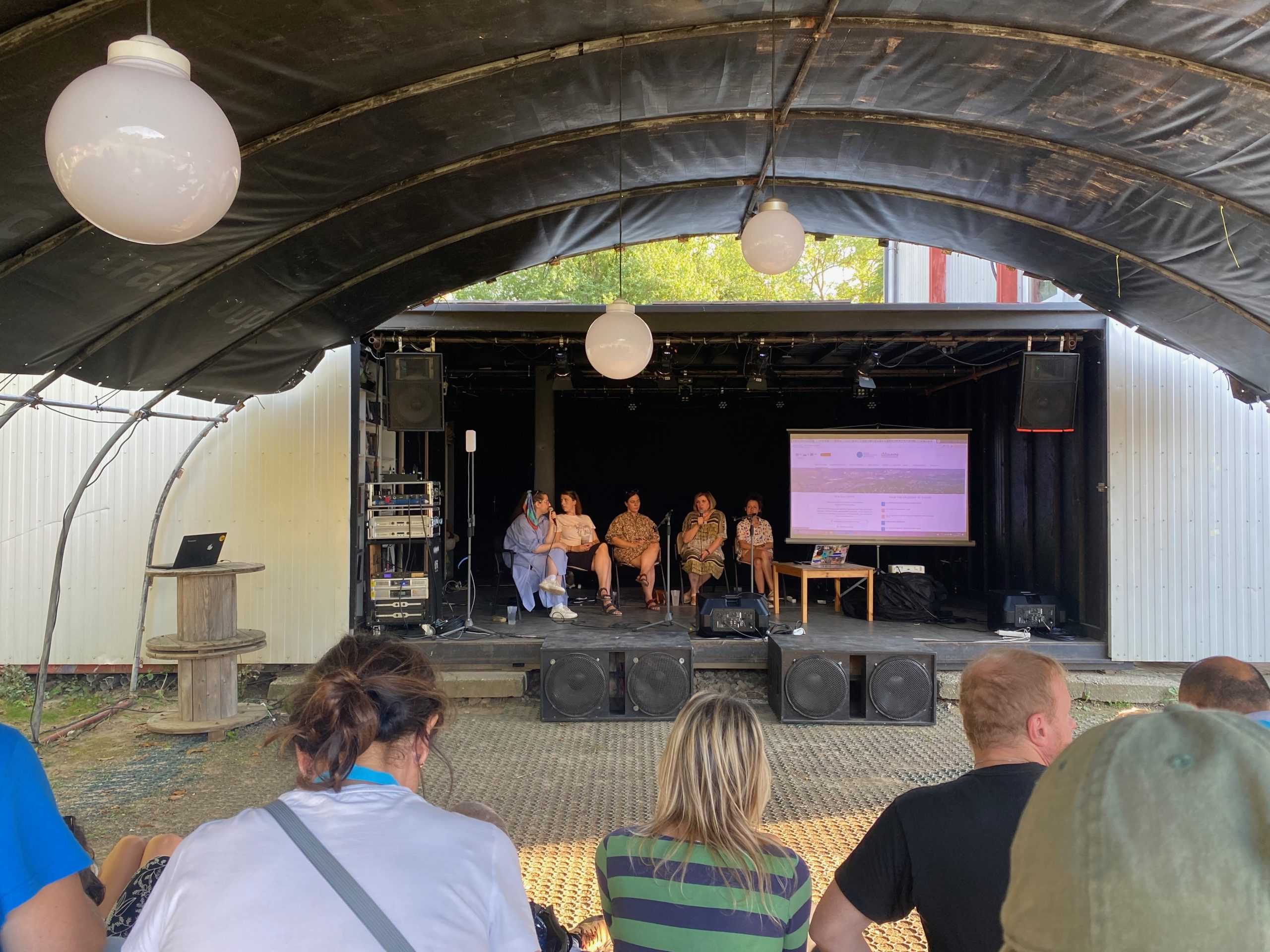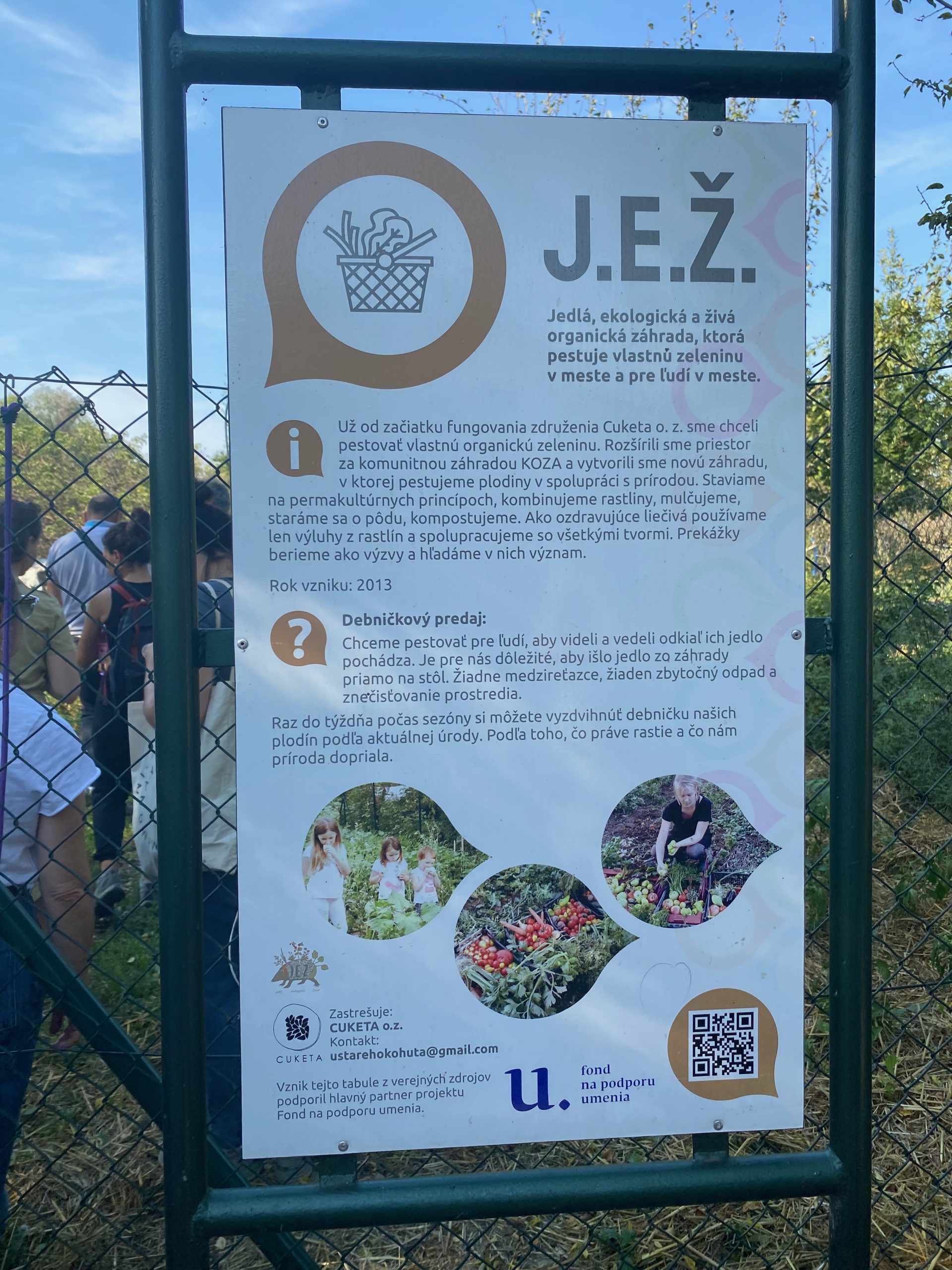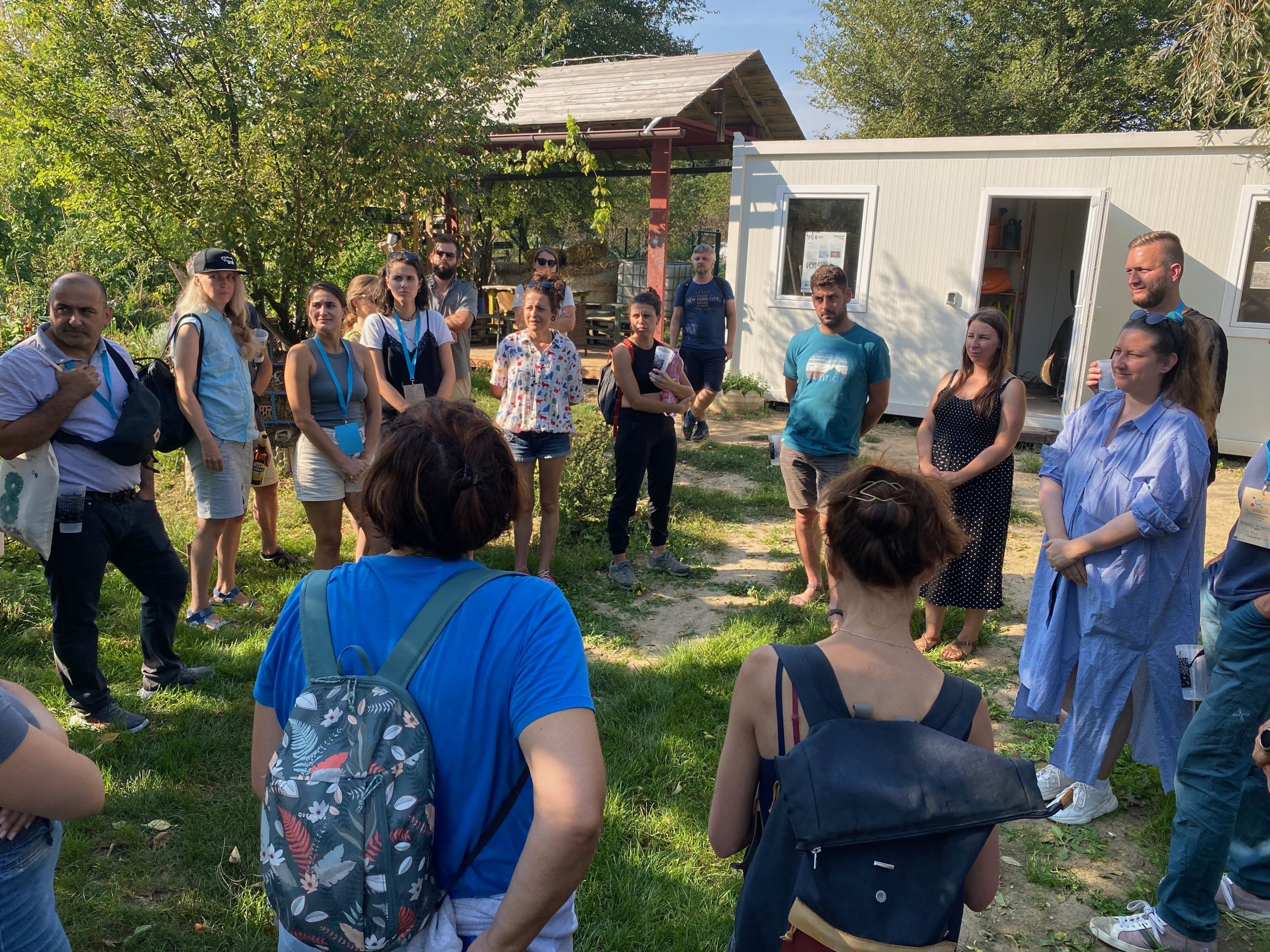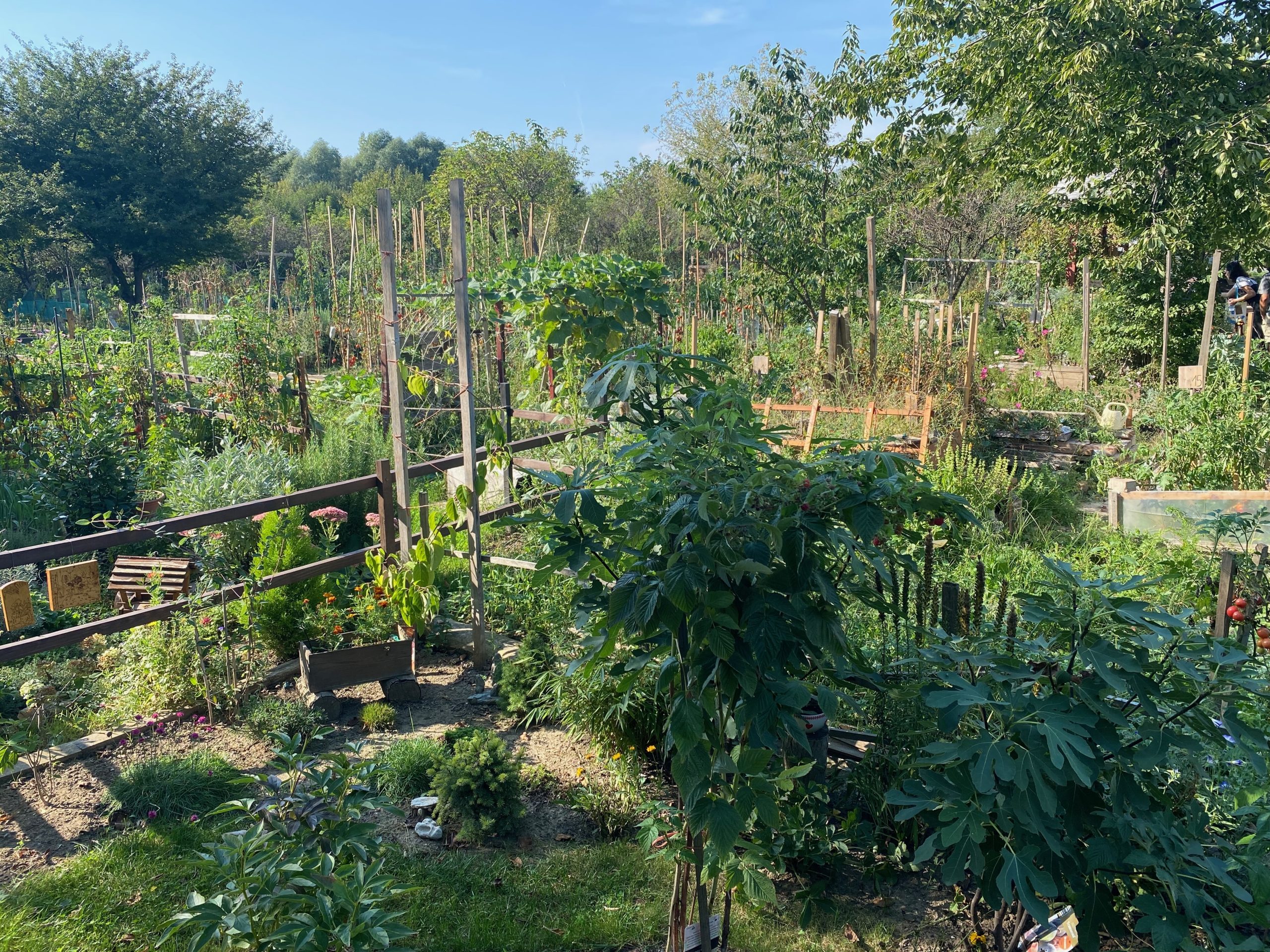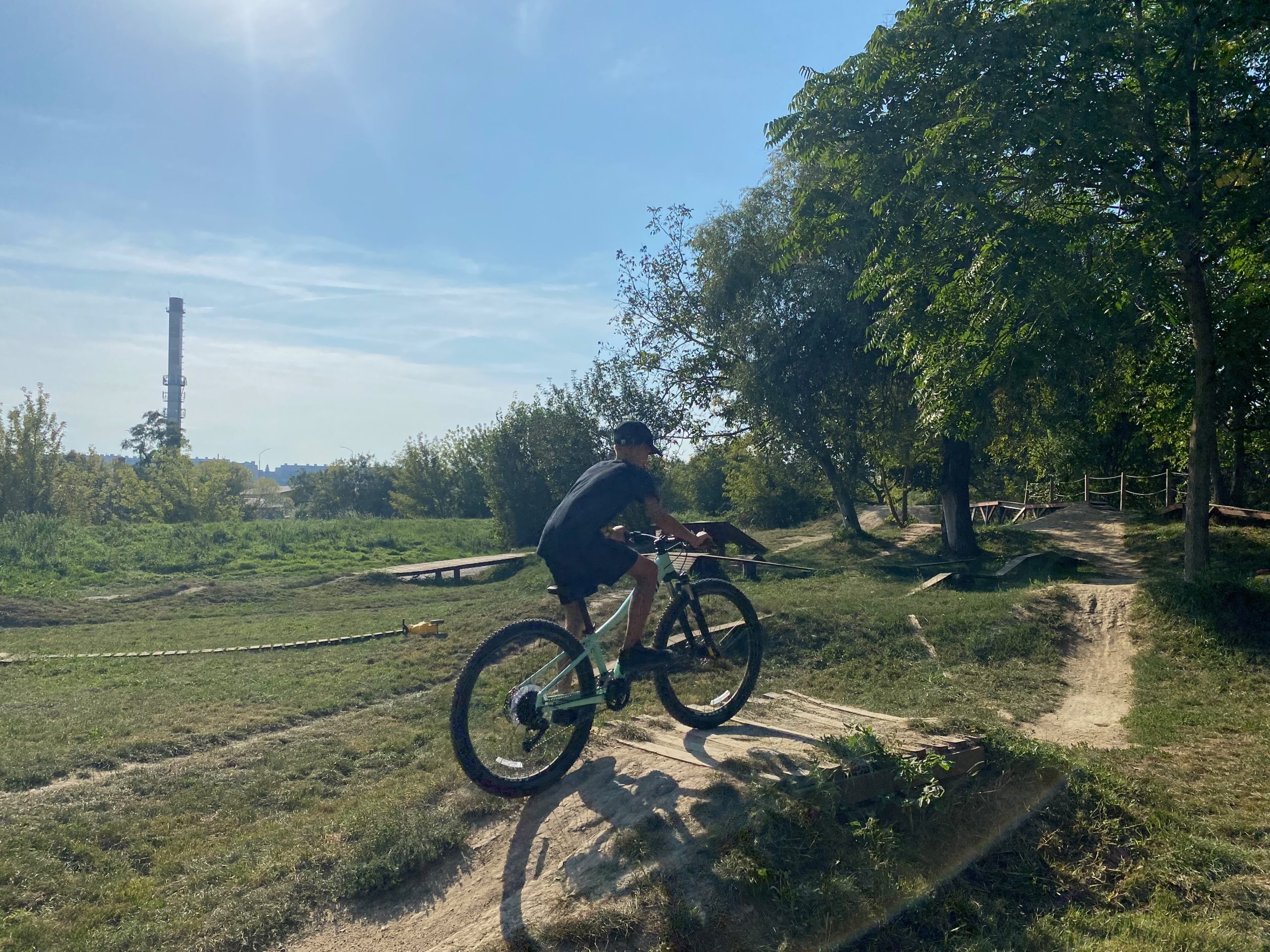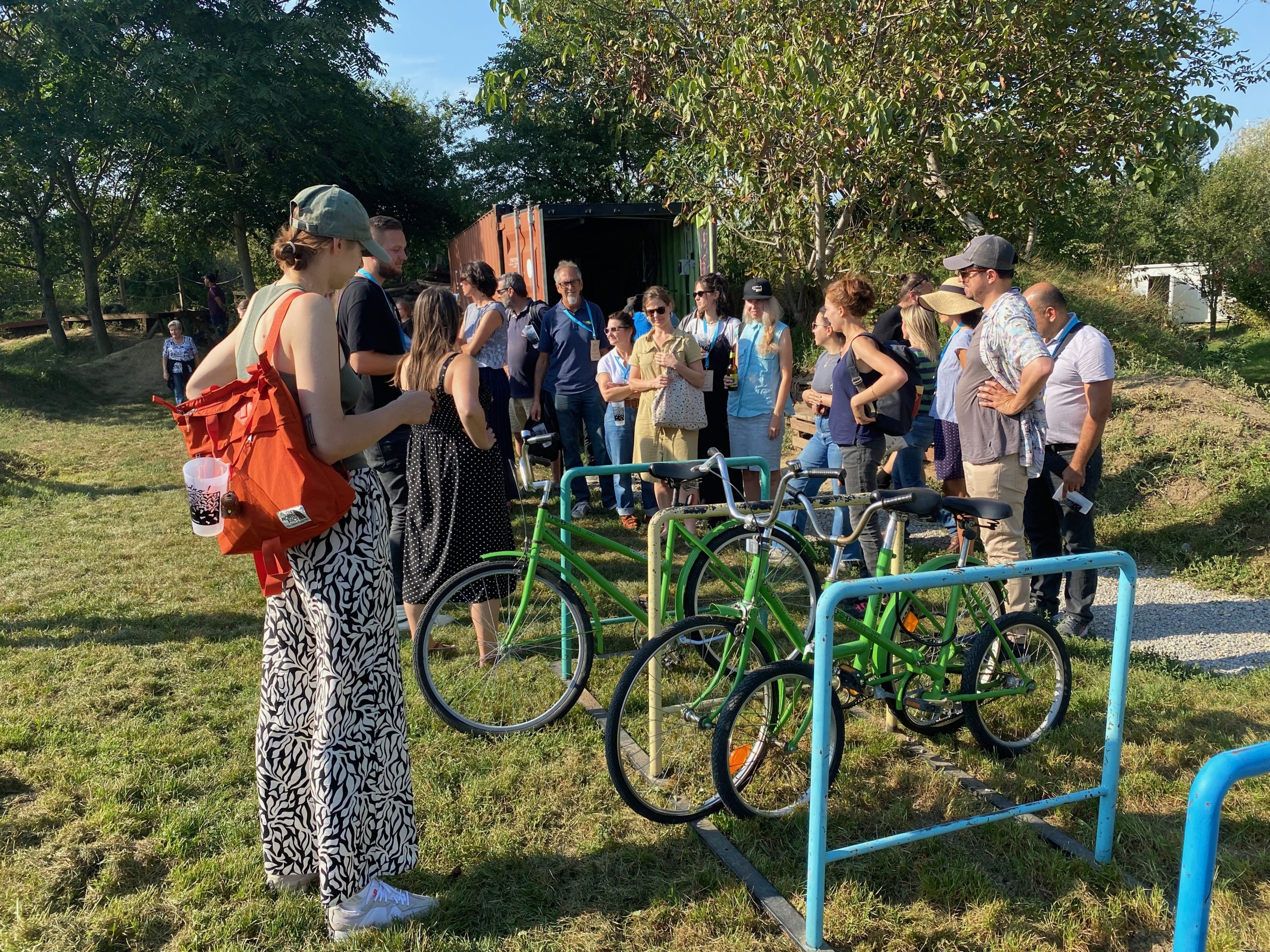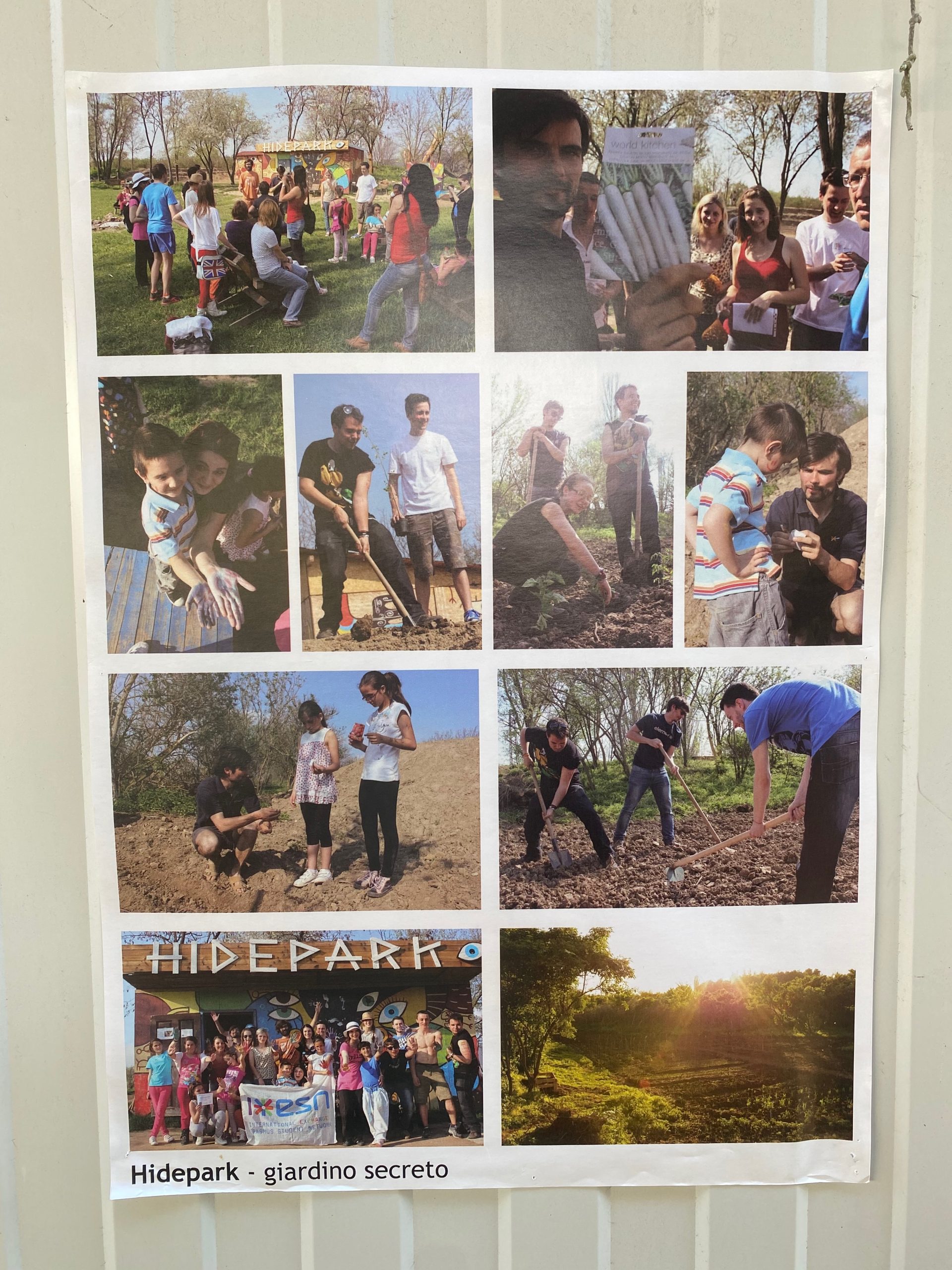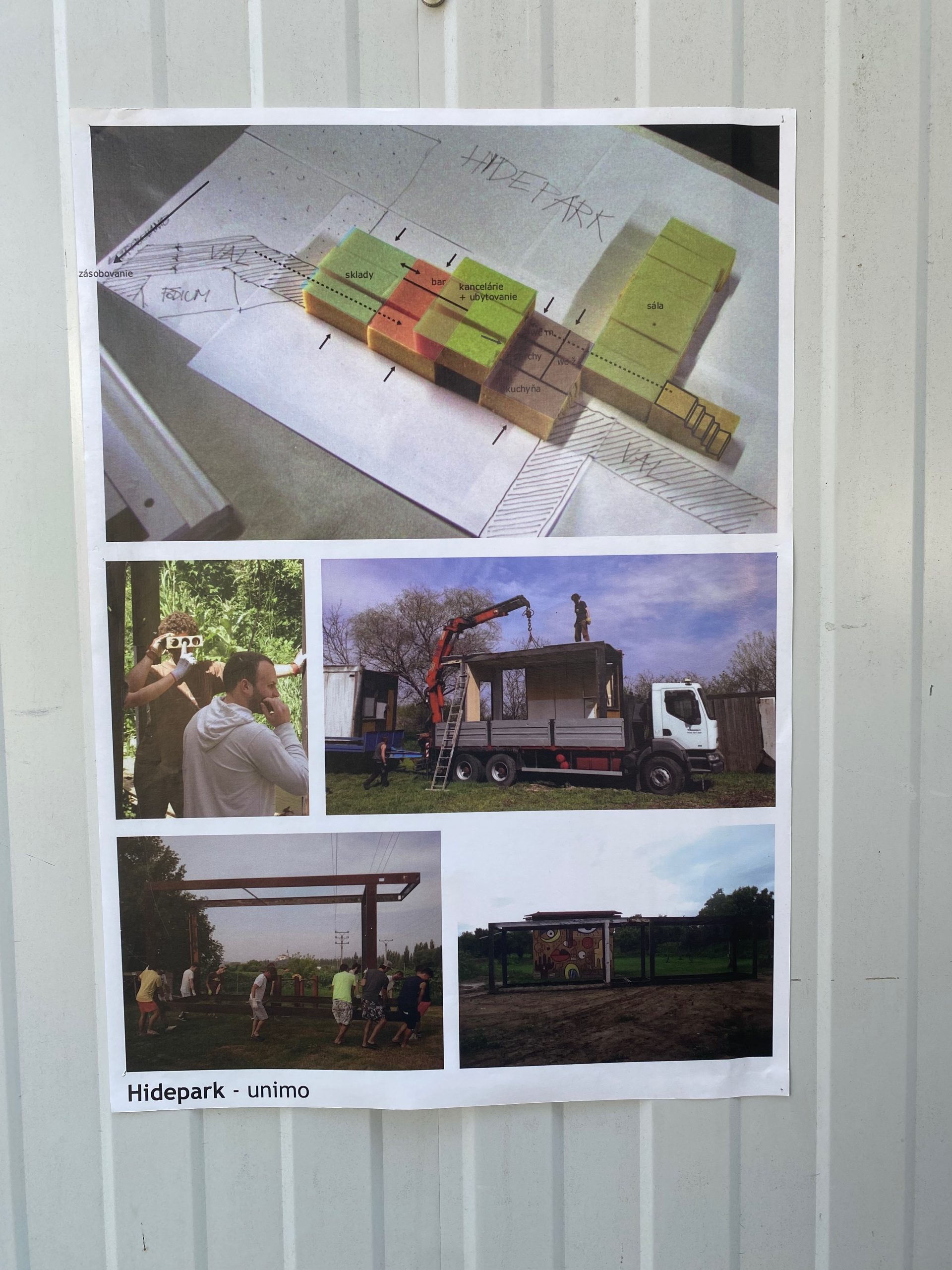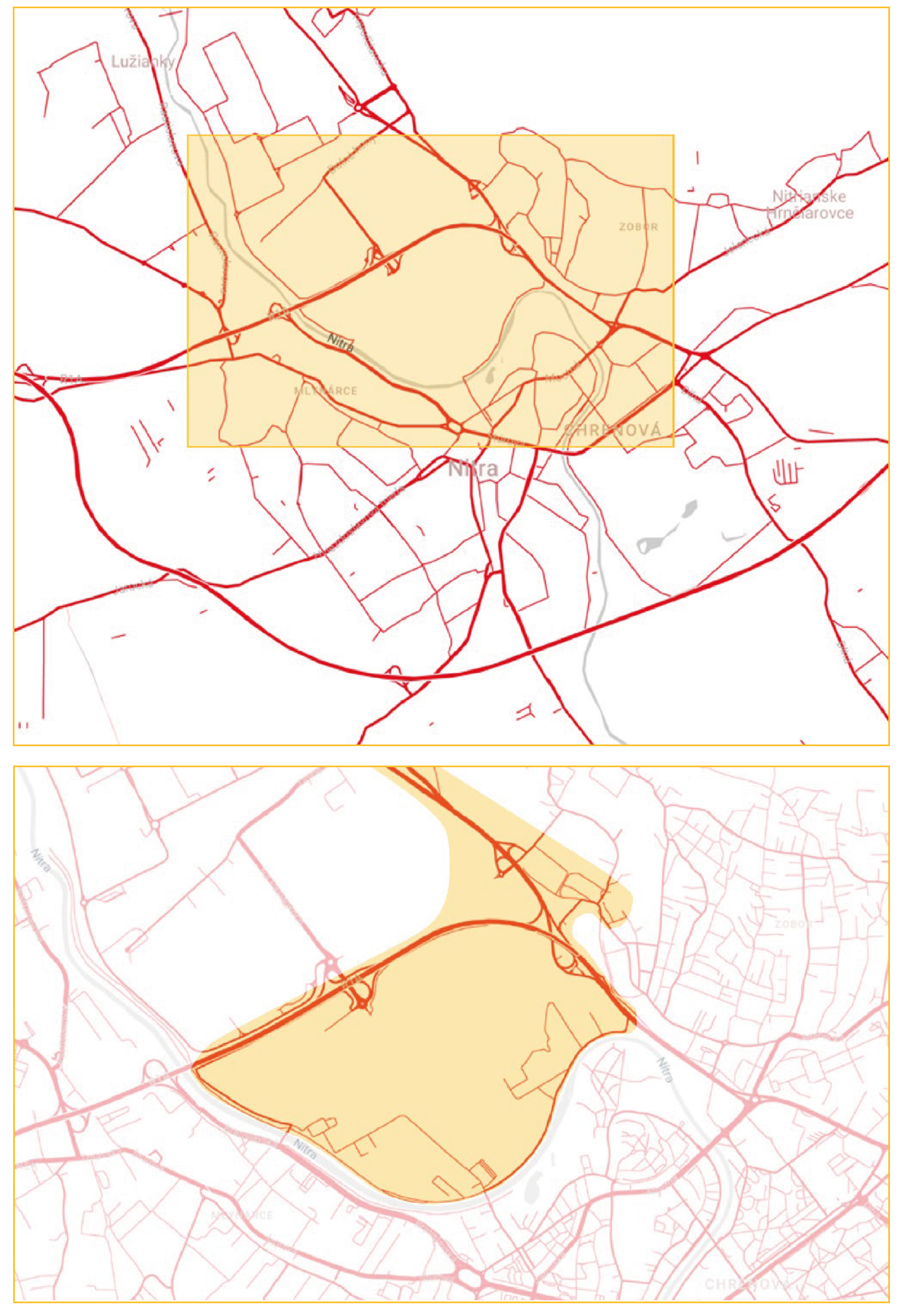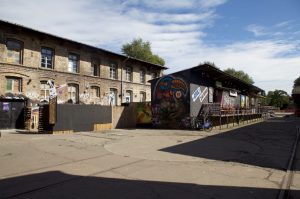
Hidepark is a grassroots open-space community and cultural centre established on a former illegal landfill in the city of Nitra, Slovakia. It has grown into a hub for cultural, ecological, and social activities, serving as a safe and inclusive space for diverse groups within the city.
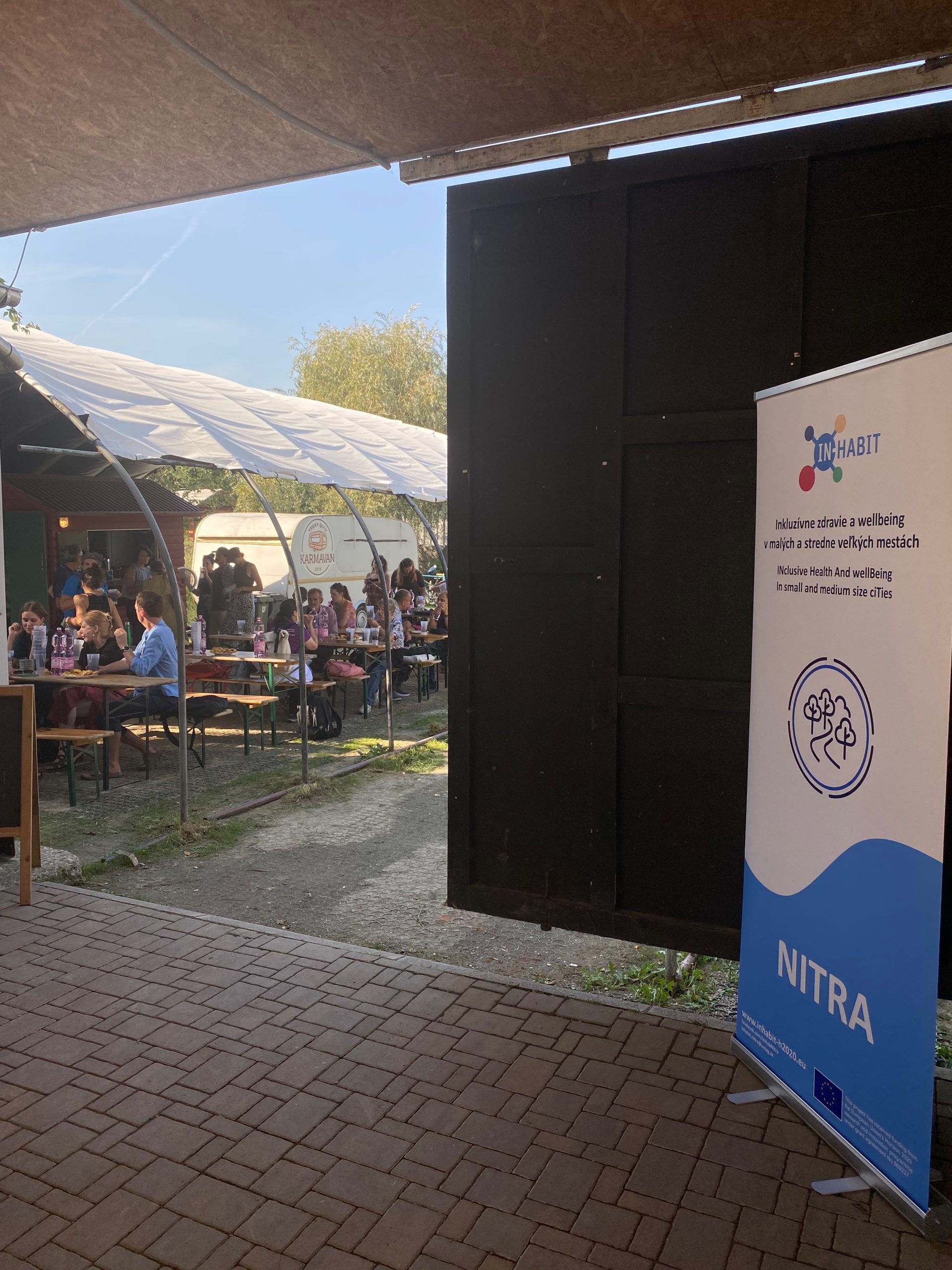
Hide Park was born as a self managed area outside the city center providing safe space for vulnerable communities. It provided space and equipment for music and artist creation, community gardens and picnic area. It developed as a key stakeholder in Nitra, providing vision and agency to develop cultural life and social intervention, combining the autonomous capacity with fruitful relations with the university and the city government, and become an essential actor in the deployment of the Visionary Integrated Solutions supported by the INHABIT Horizon project (2ß020-2025).
Context
Nitra is the 6th largest city of Slovakia with a total of 78.353 inhabitants (2020), the main seat of the Kraj (Nitra Region), and the Okres (Nitra District). One of the main features of the city is the remarkable influx of migrants, both students and workers, mainly from Balkan countries and Roma people, which makes Nitra an important growth pole in regional context. Despite this influx, less than the 2 out of 5 people decide to stay. Furthermore, the migrant population, mostly with a male-worker profile, suffers from isolation, temporarily residing in dwellings near the industrial parks working location. In light of this, integration is a major challenge as much as the provision adequate services and infrastructures for migrants. As a result, the city of Nitra has a scattered socio economic geography characterised by the peripheralization of migrant communities in the industrial areas at the fringe of the city, and isolation of former residential areas lacking proper infrastructure. In this context the green areas of the City Park and the self organised community space at Hidepark are places of social aggregation across the different populations.
Project
Tesserae is involved in Nitra through the IN-HABIT project, which focuses on reconnecting the areas of City Park, Hidepark, the Dražovce district and the Industrial area. For this purpose the city of Nitra has designed a green corridor and cycle path, which remains however underused by citizens who are not accustomed to modes of transport alternative to car dependent mobility. Through a multifunctional open-source urban landscape along the 8km cycle road linking the Industrial Park, a series of movable elements will provide a platform for social, cultural, educational and sport activities. Thanks to this innovative project, it’s hoped that healthy habits will increase, especially among most vulnerable people (low-income, group at risk discrimination and exclusion), as well as an improvement of the quality of public spaces in terms of safety, accessibility, inclusiveness, liveability and it also aims at enhancing skills nd competences, networking and organisational capacity of local changemakers, especially NGOs active in the socio-cultural field. IN-HABIT project supports the co-design, co deployment and co-management of the SUA concept called REMOULD (Reversible Multifunctional Open source Urban LanDscape) based on mobilising the existing undervalued resources to boost inclusive health and wellbeing through art and nature. The co-design of REMOULD required participation of different actors, from a variety of fields and levels of society.