Ex-Base NATO- Bagnoli

A huge area earmarked for cultural regeneration in Napoli

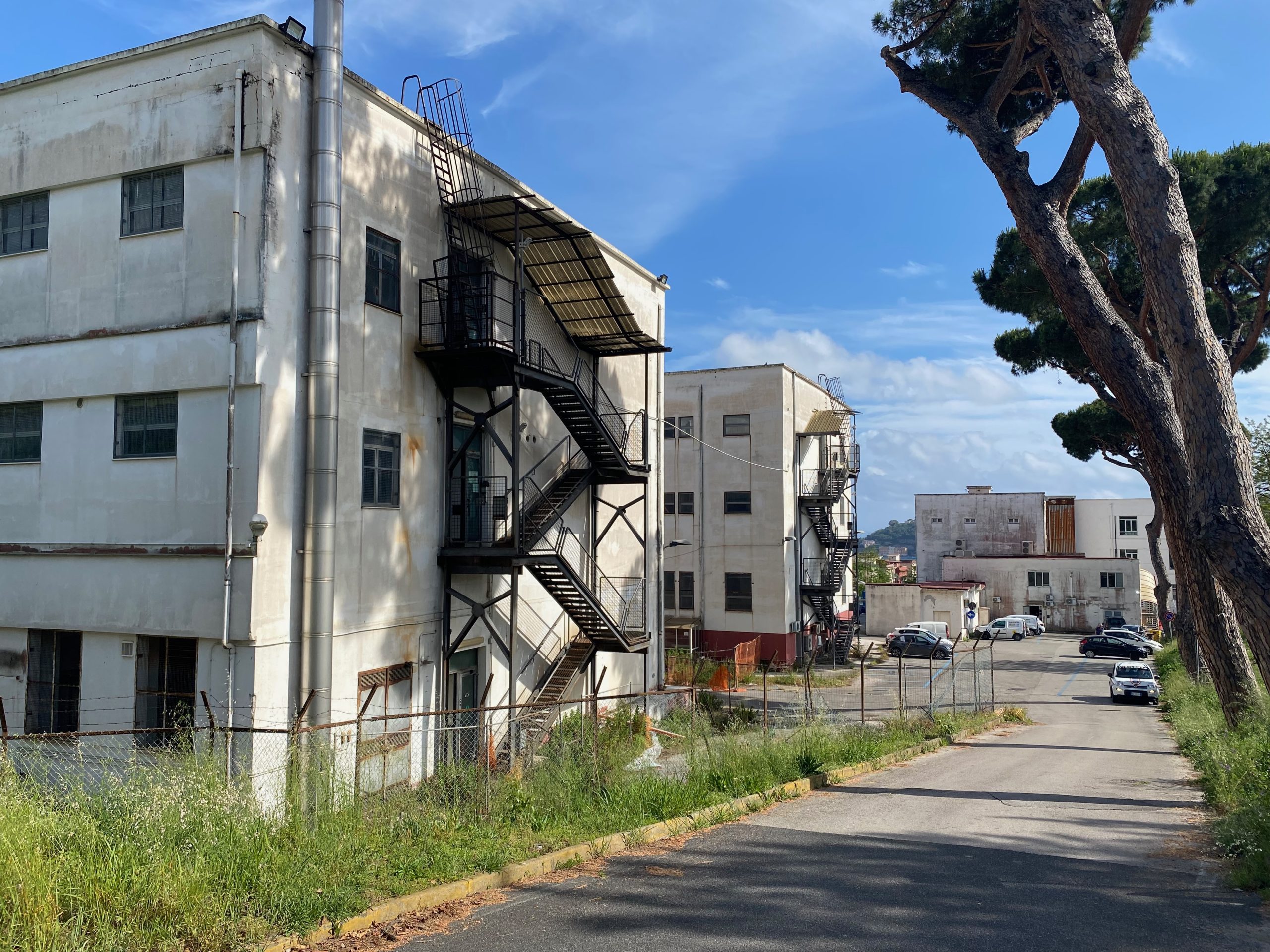
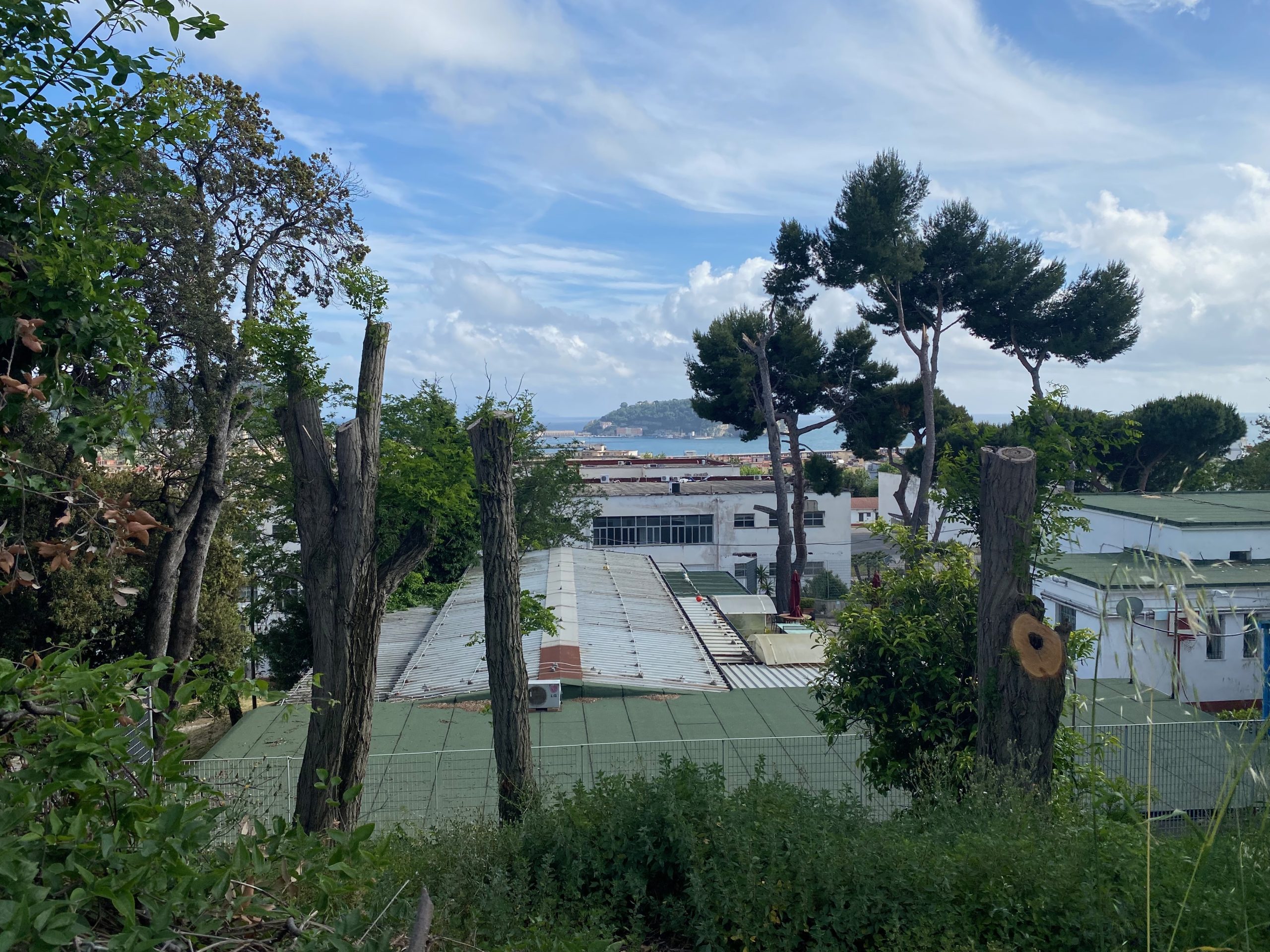
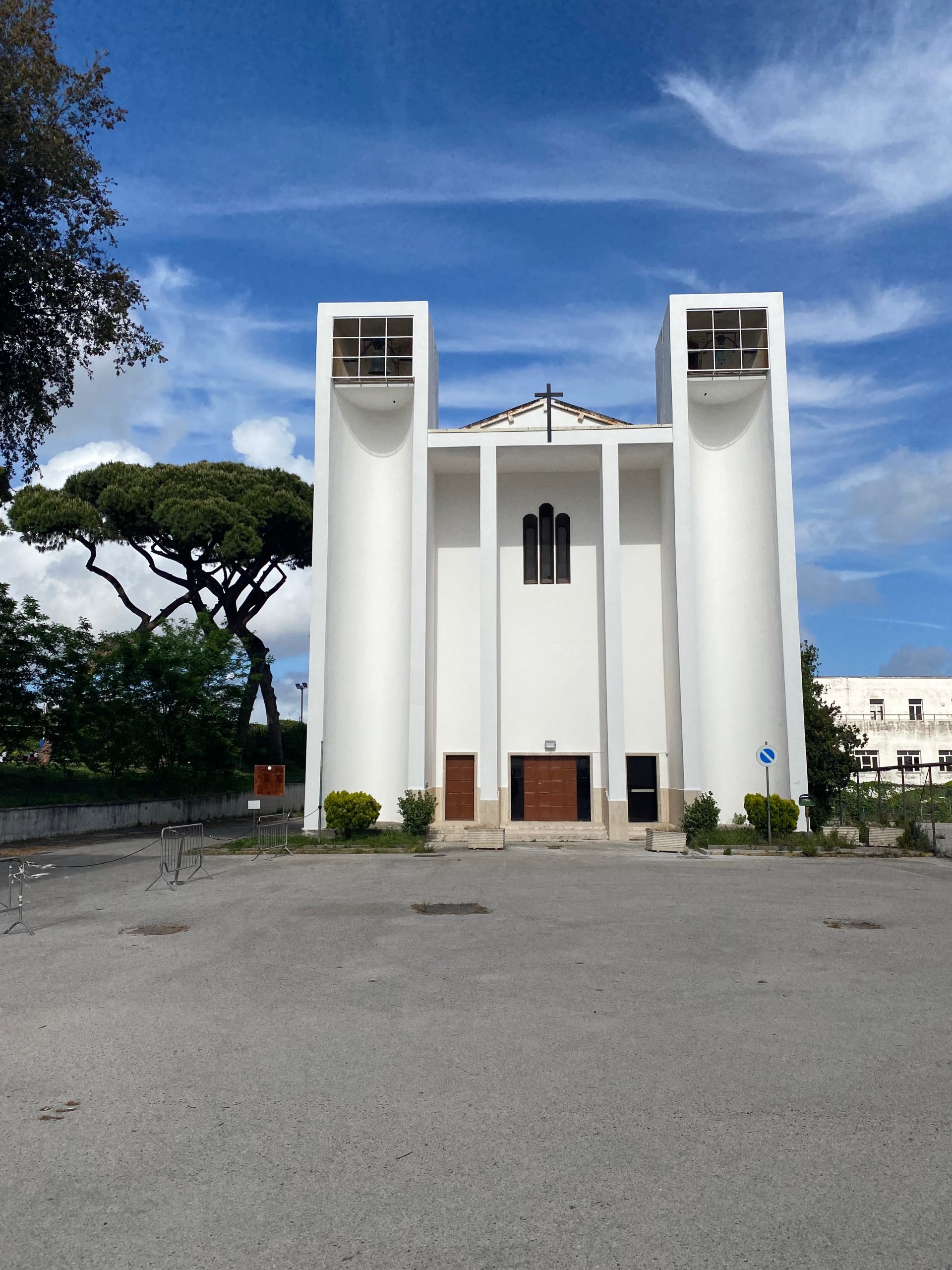
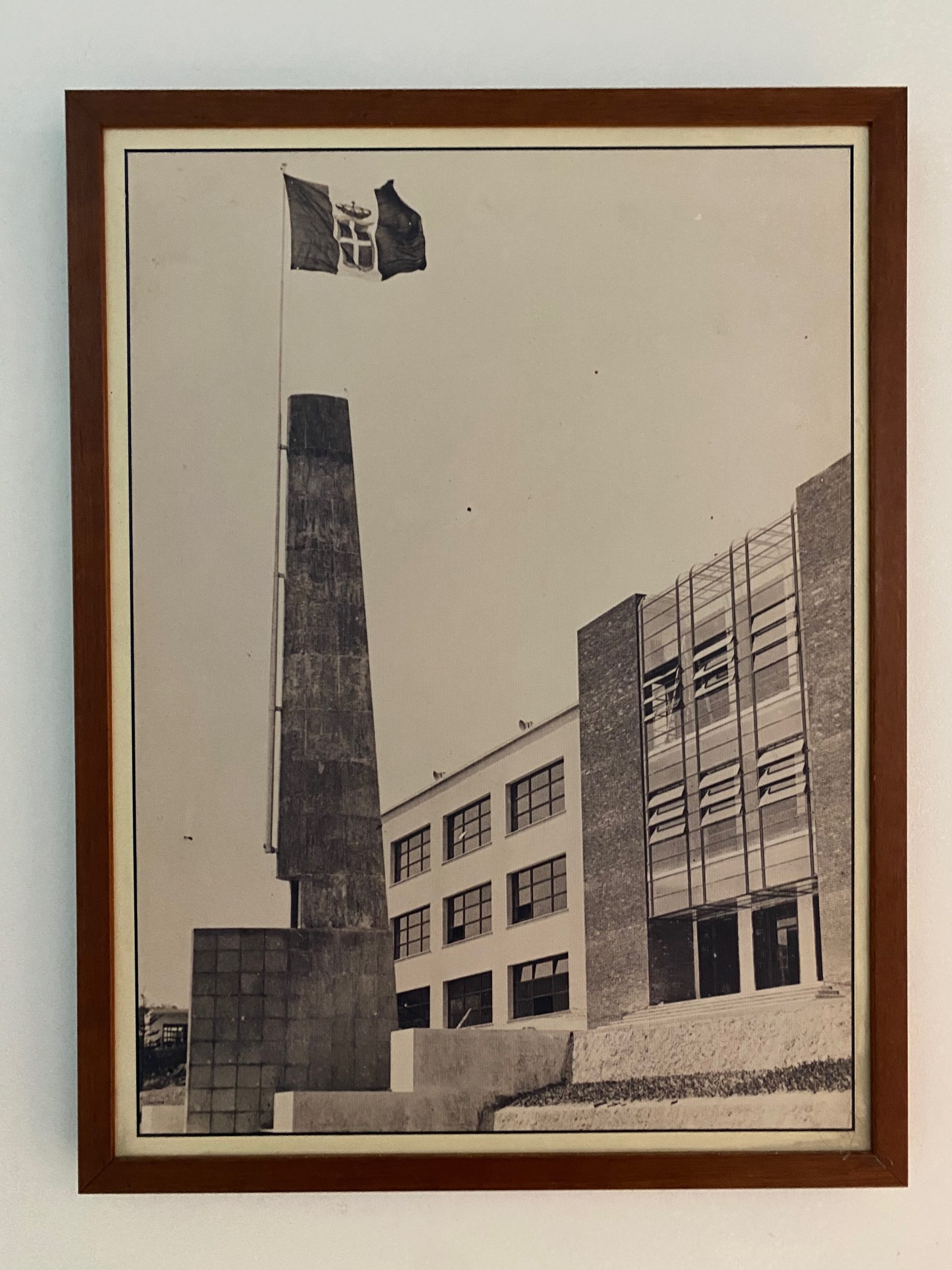
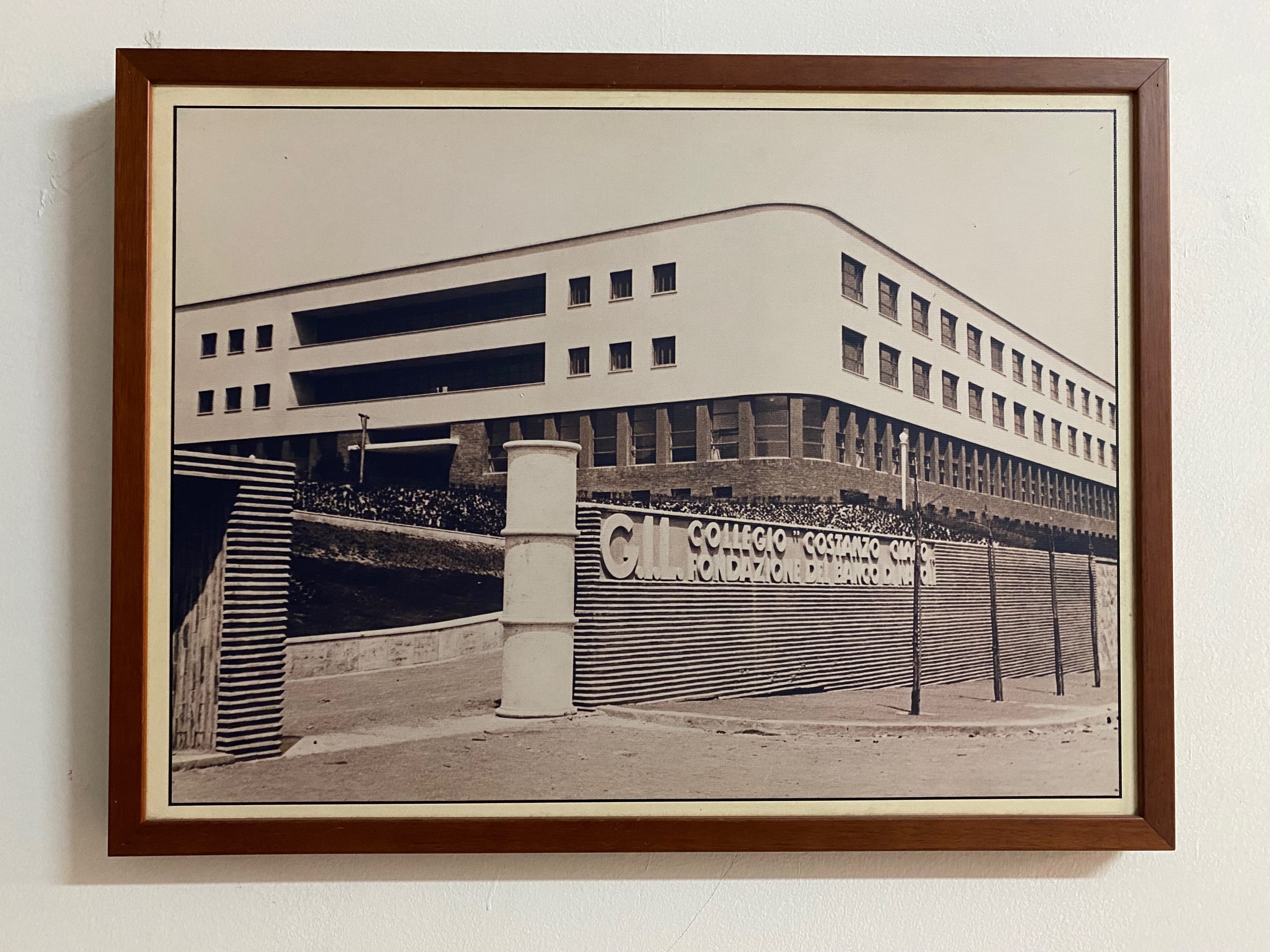
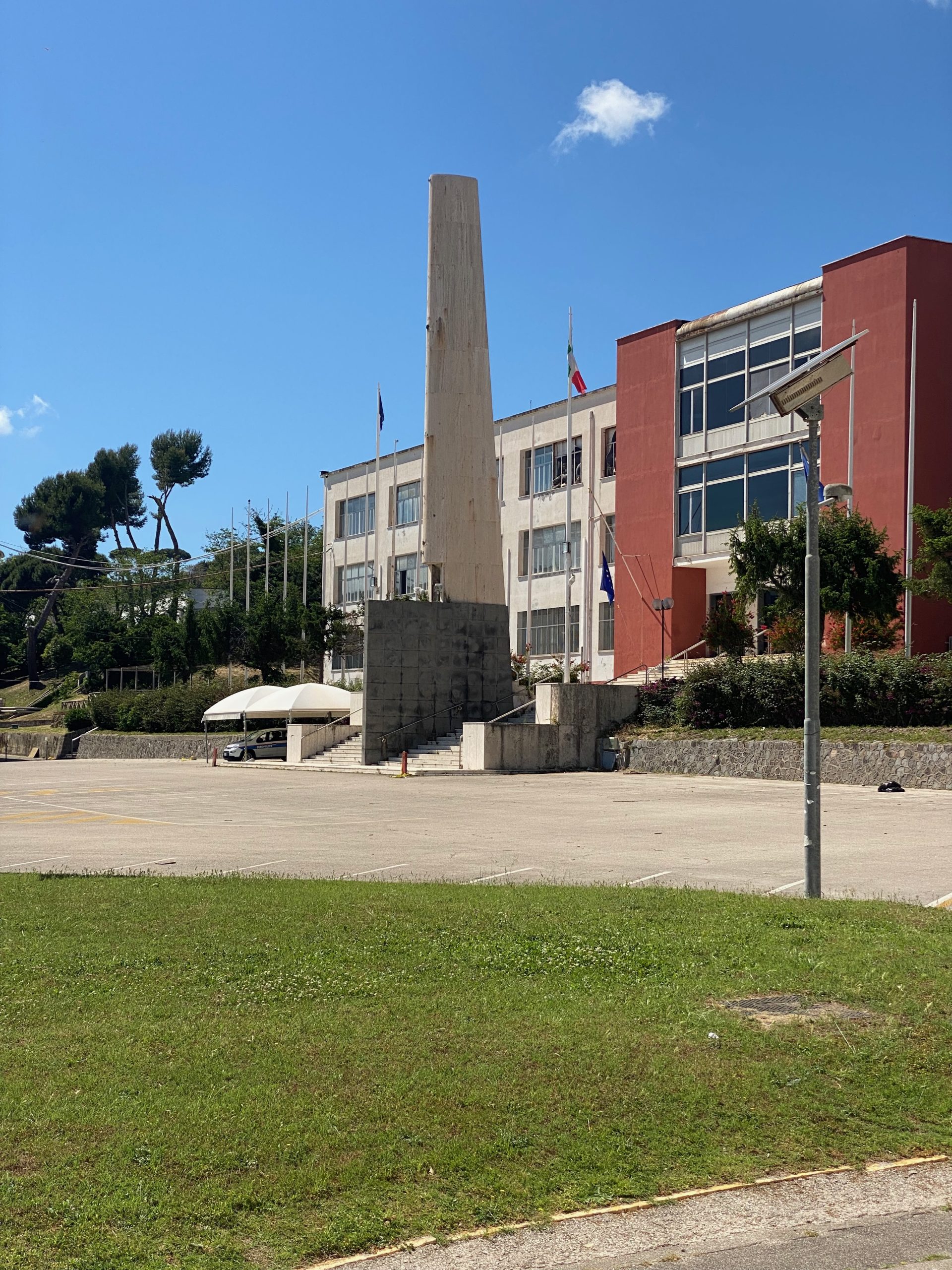
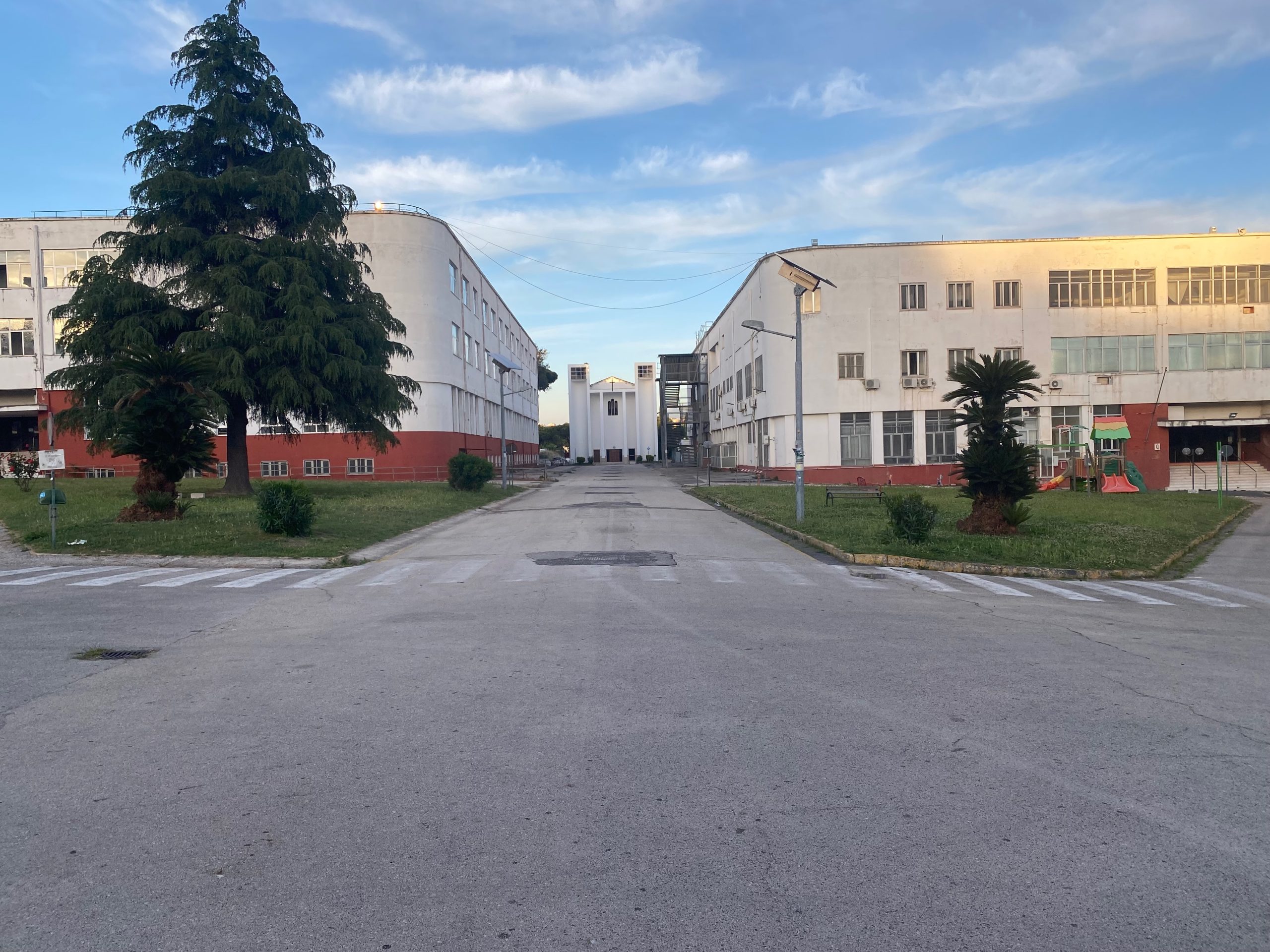
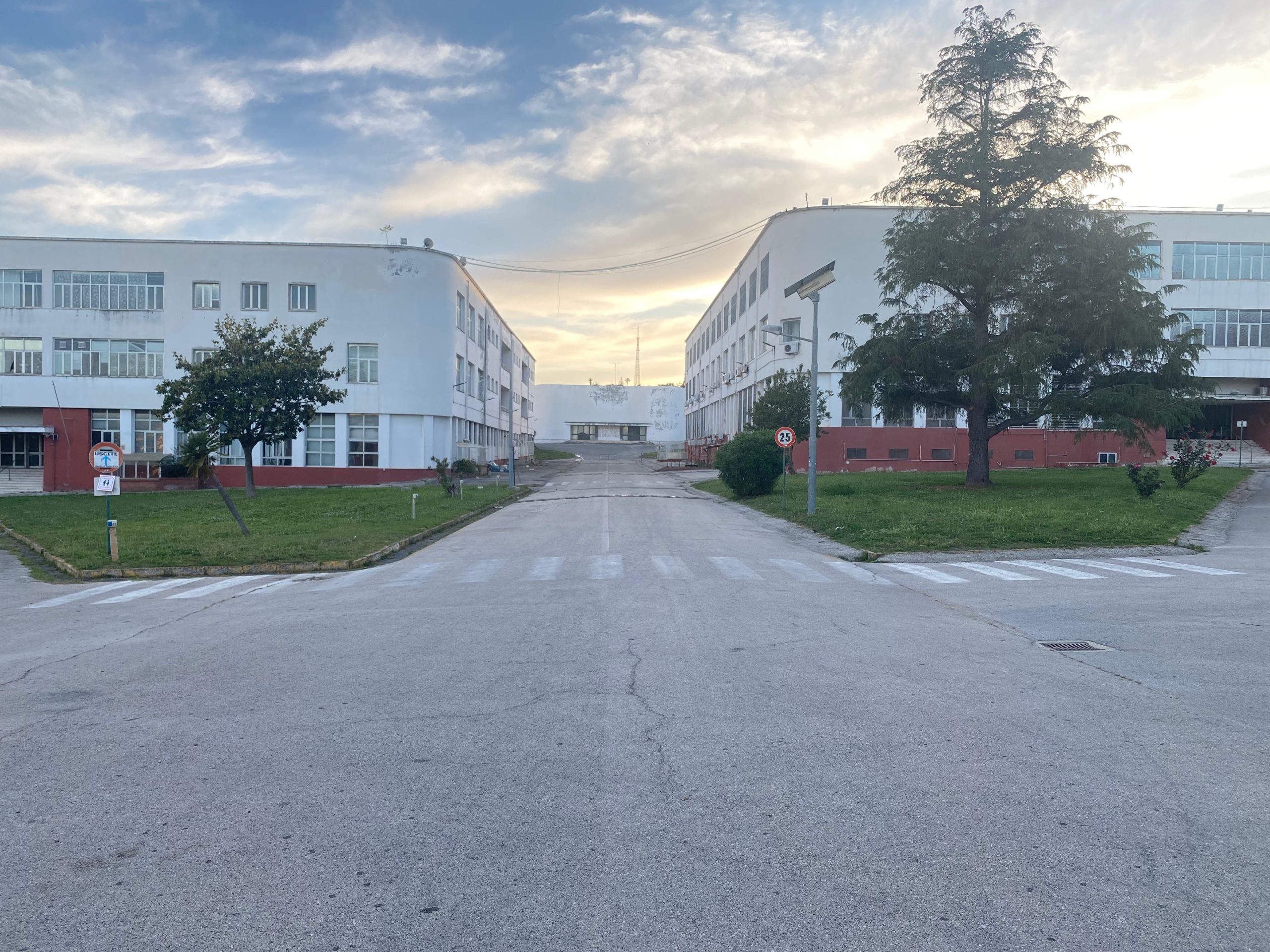
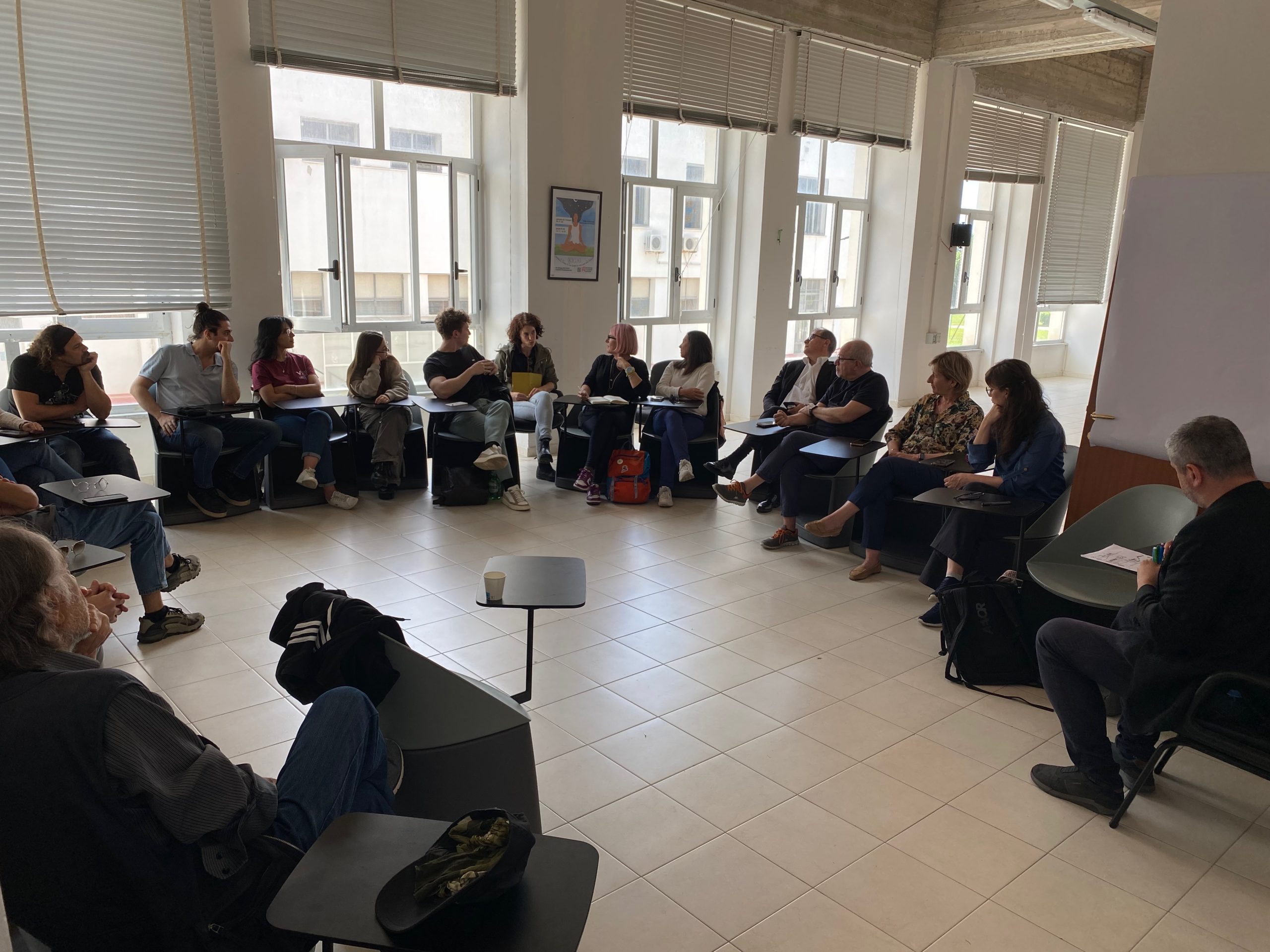
The former Colonia Costanzo Ciano, today renamed Parco San Laise, is large complex of buildings in the neighbourhood of Bagnoli owned by a foundation depending on Campania Region. Originally a colony for disadvantaged children, the area was used for almost 50 years as militar headquarters of NATO. When the lease ended, the area has been neglected for years, before starting to transition again towards the original vocation of a place for social and cultural use.

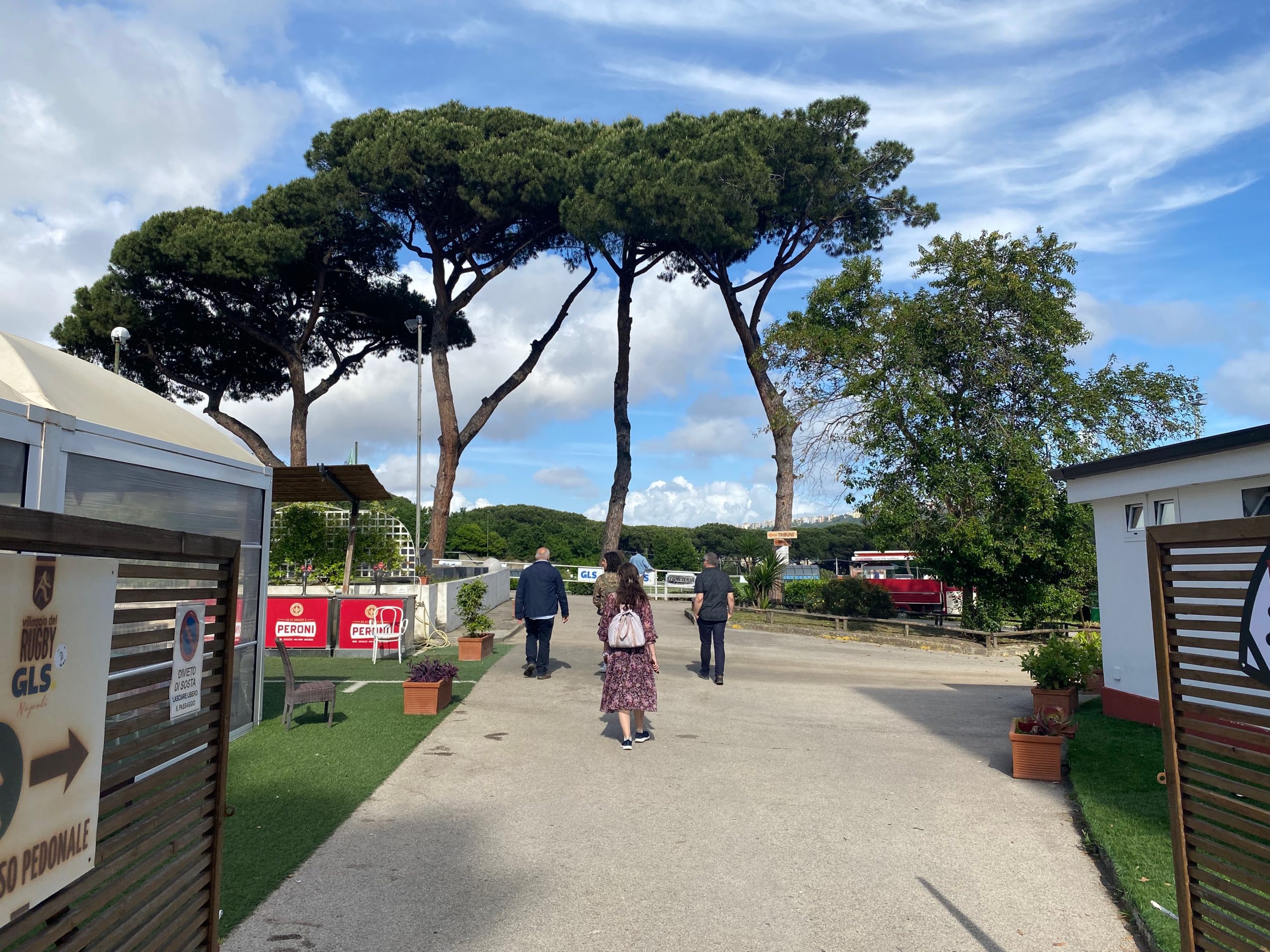
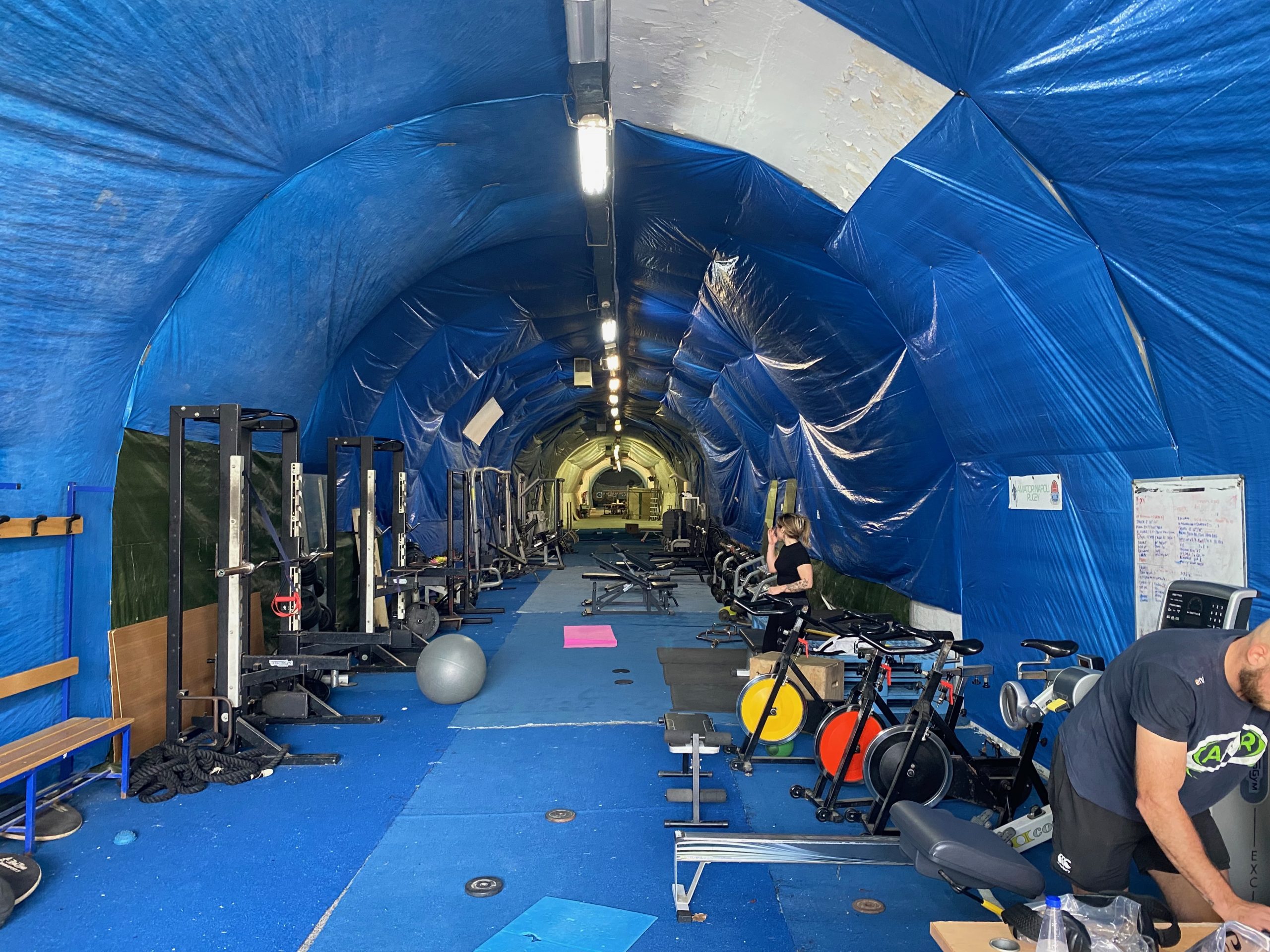
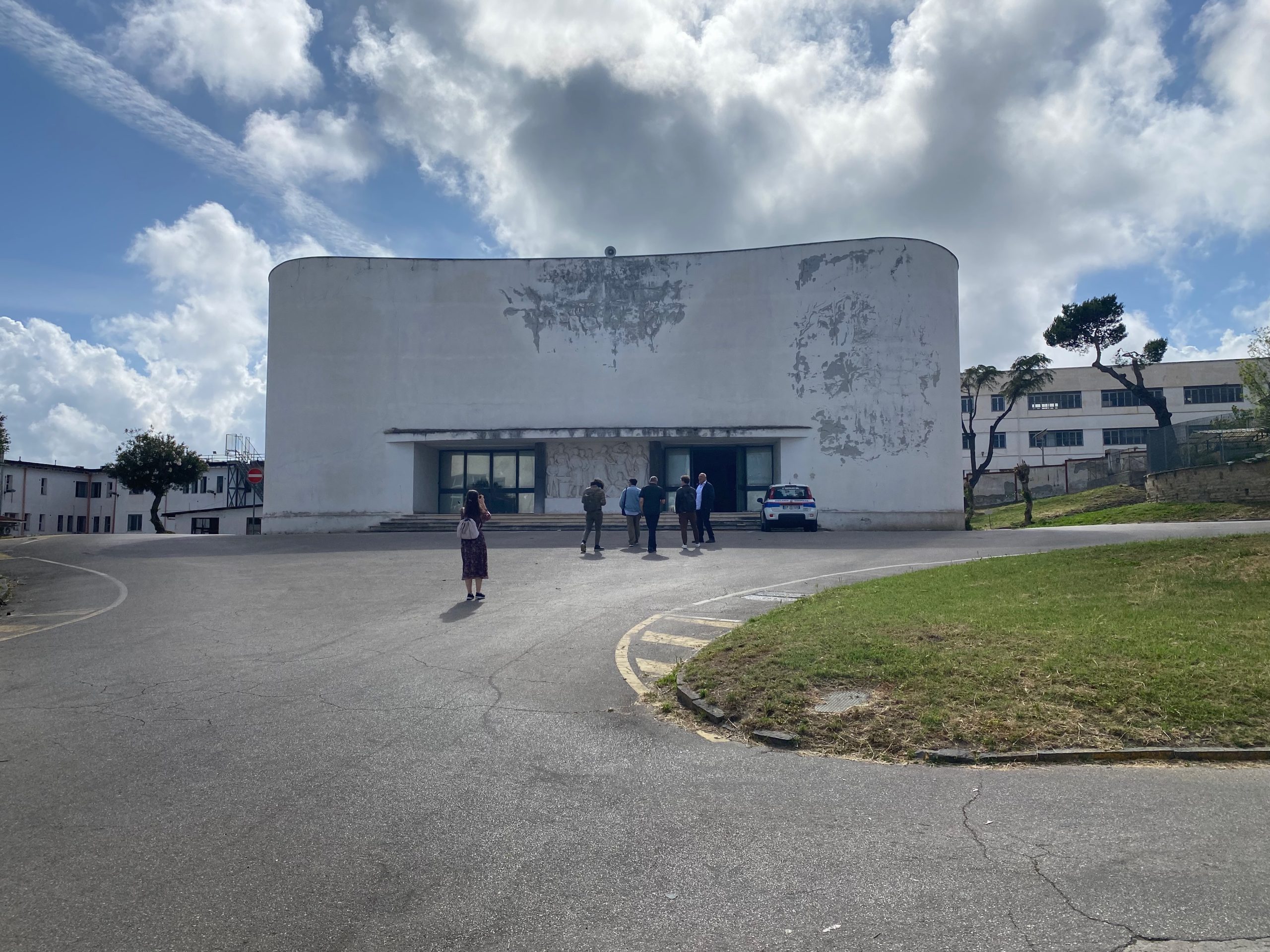
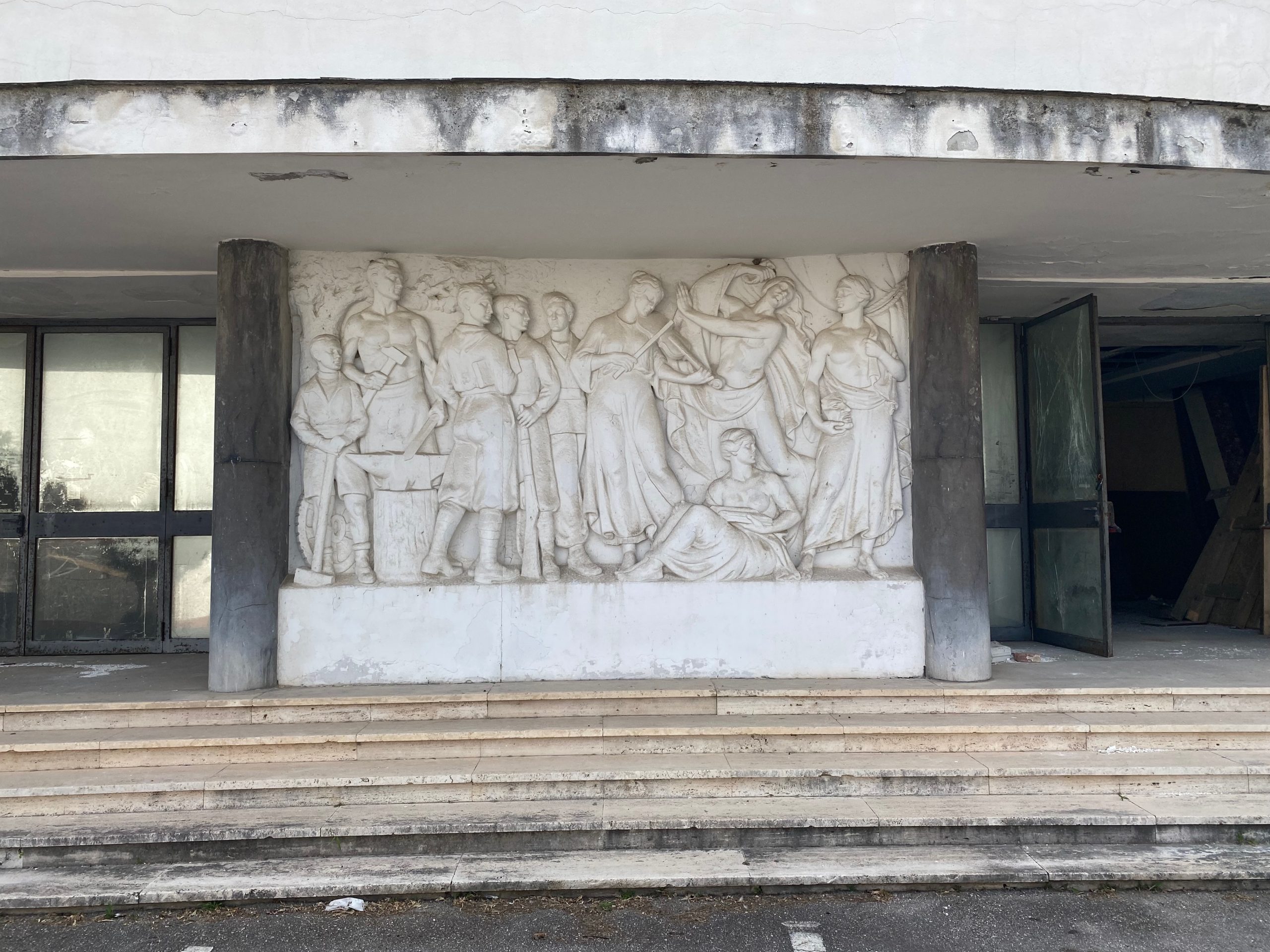
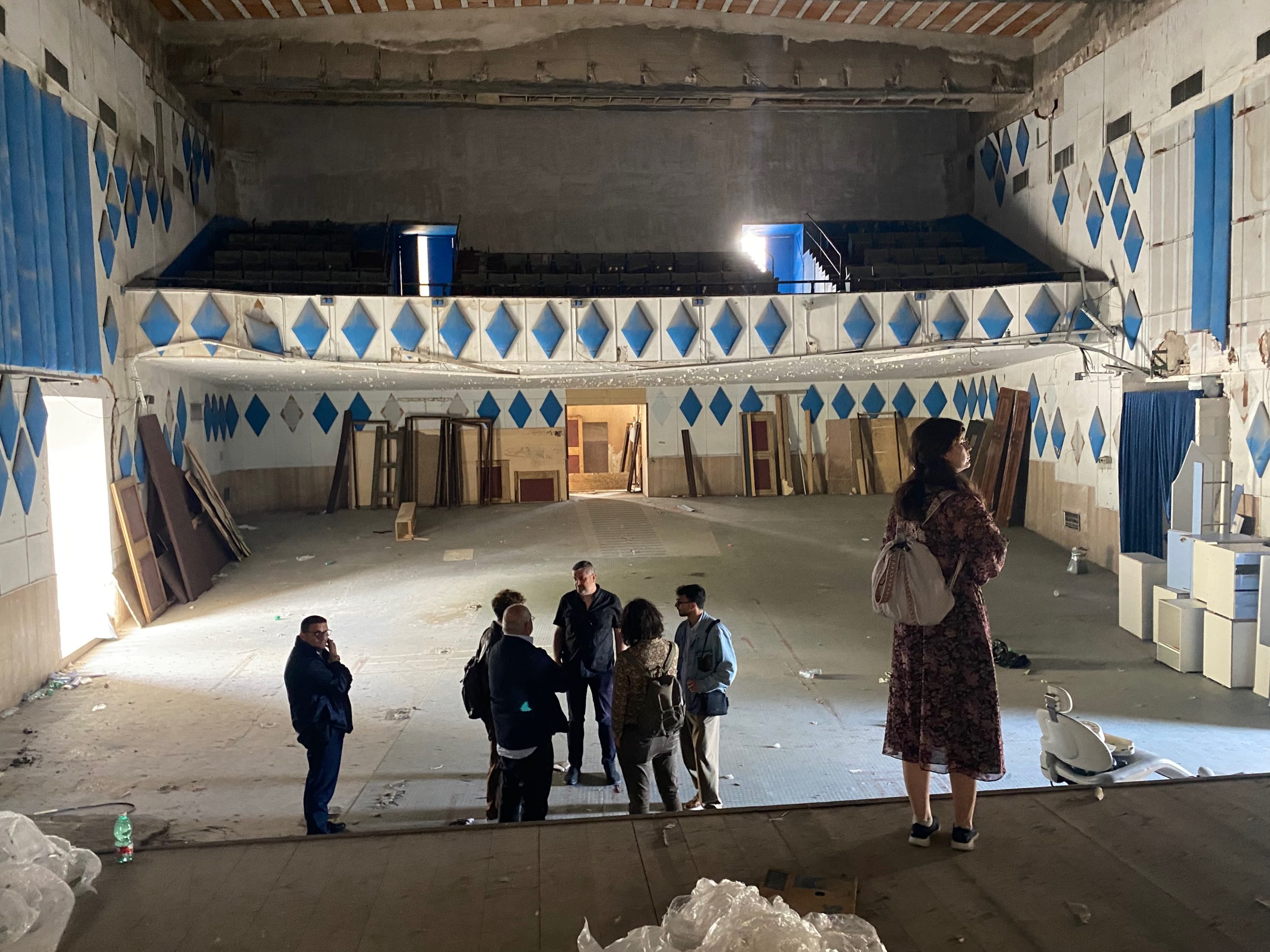
Today, the former Colonia Ciano, built in 1938-40 under fascism as a structure for disadvantaged children, is managed again by the Fondazione Campania Welfare, with the mission to employ it for cultural and social inclusion purposes. The structure is in nevertheless in a neglected state, and needs large investments in renewal and seismic consolidation, being in the center of a risk area. It ia also used as an emergency gathering point during the seismic phenomena that interest the area, and for big open air events. Currently, part of the buildings, (more than 14 in total, including offices, theatre, church, warehouses, sort facilities and large green areas) are assigned to schools, sport and cultural associations, and social enterprises. An overall plan for the development of the area with an integrated vision is still missing, as well as a comprehensive management plan and sufficient funding for the full regeneration.
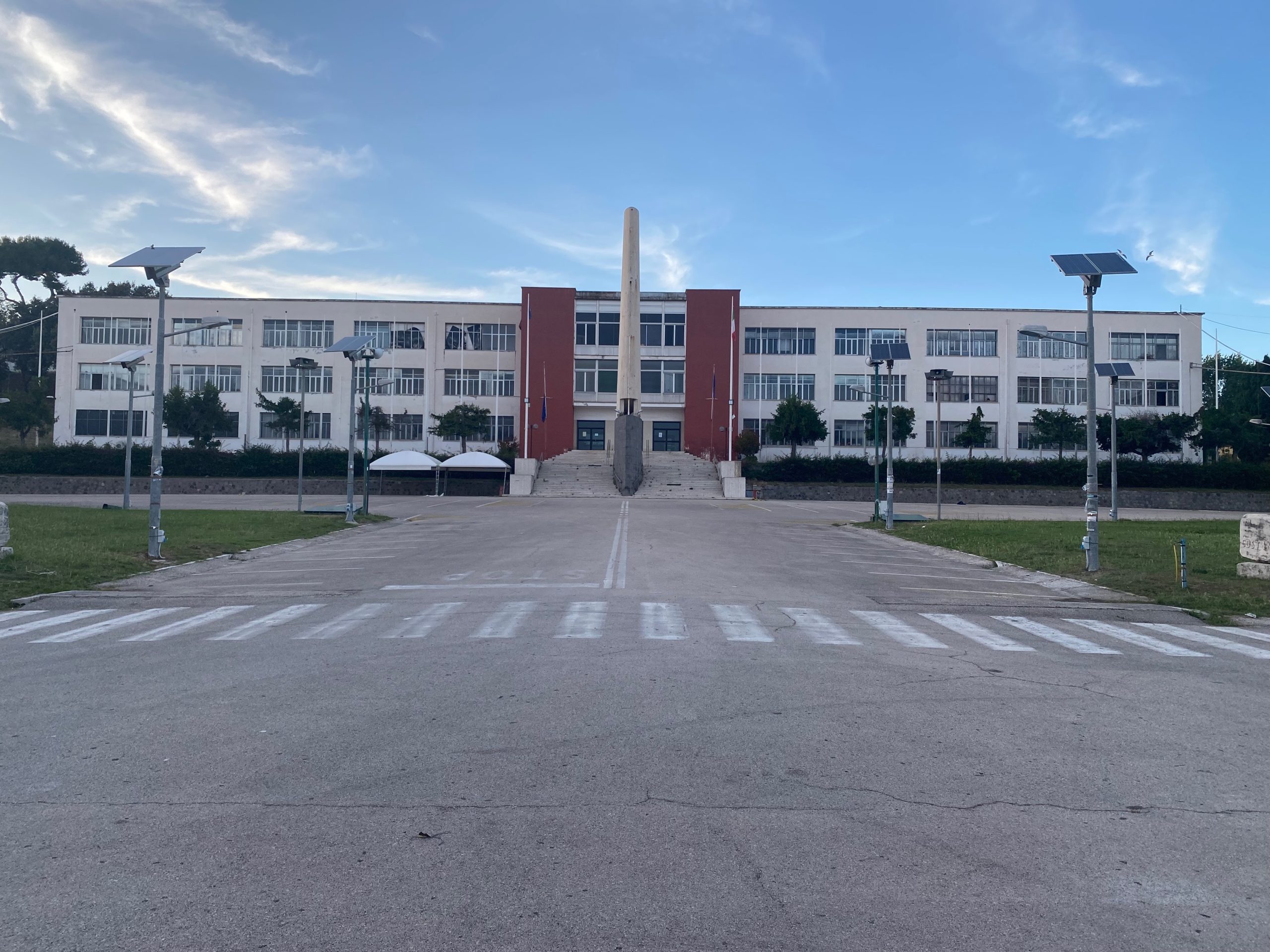
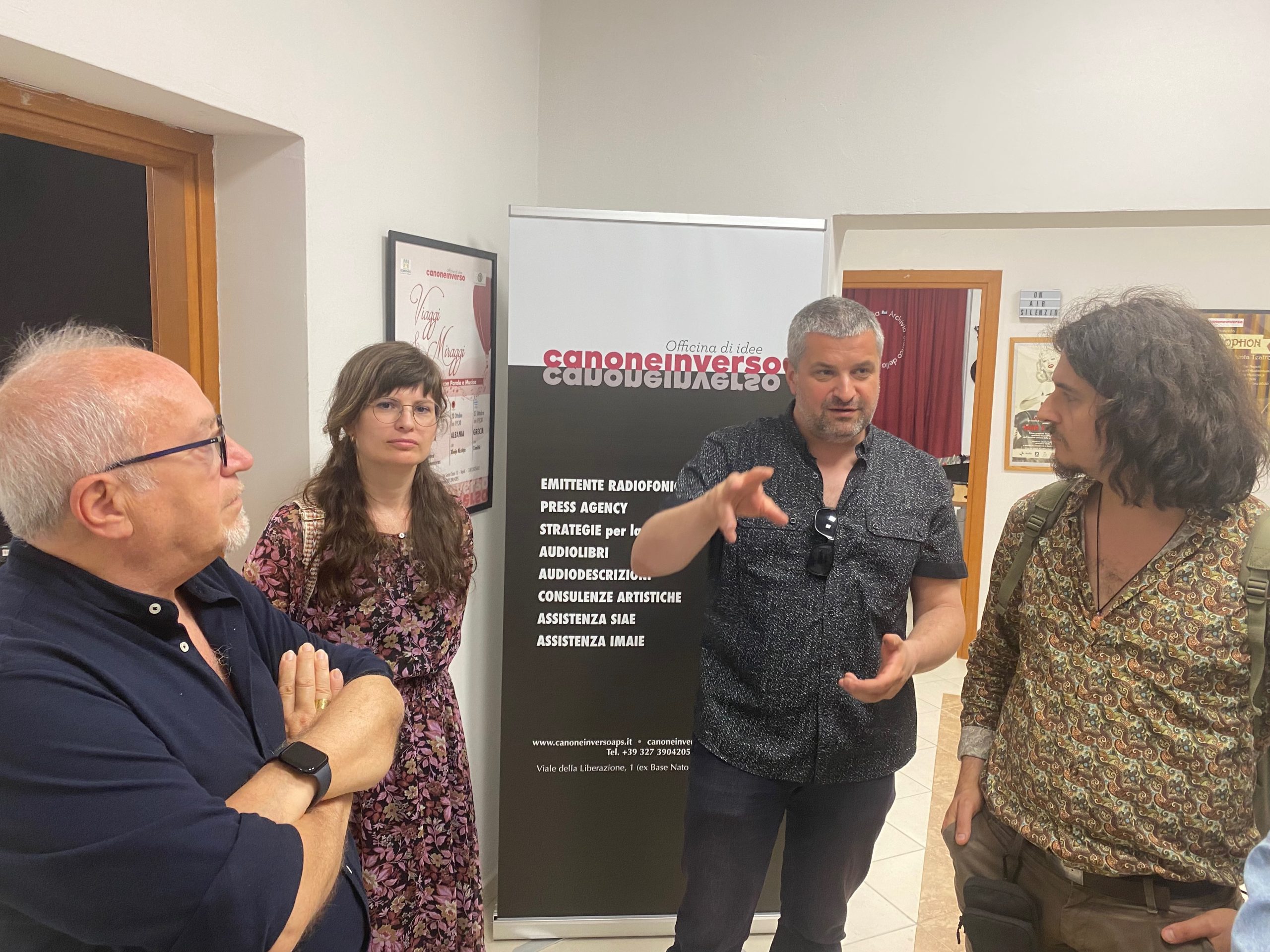
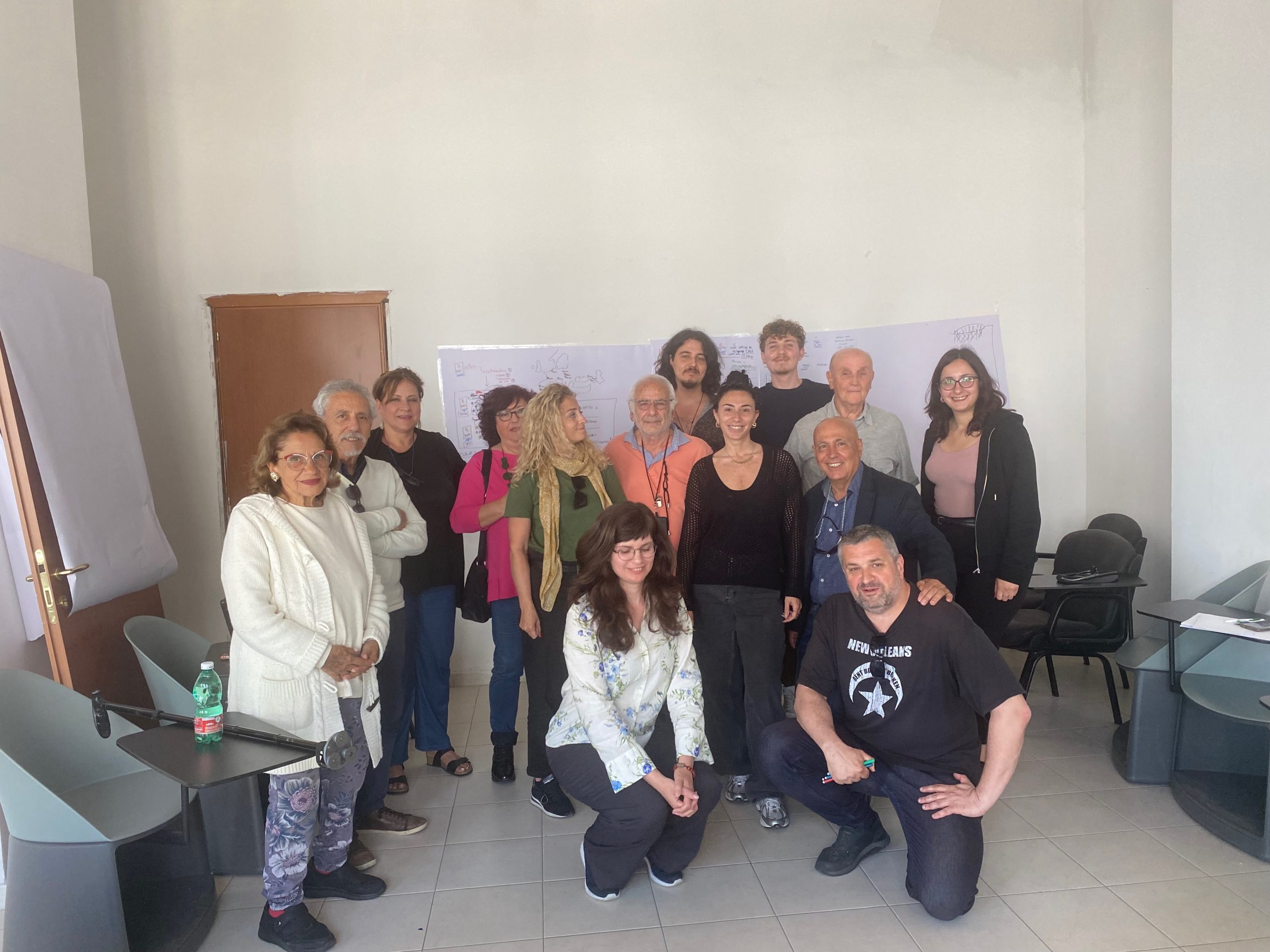
Tesserae with the Oasis project had the opportunity to conduct an urban reconnaissance exercise and participate to the participatory planning of the cultural space funded for three years by the Creative Europe programme. We helped the constellation of small local organisation to develop a common vision and advocate for an integrated management of the different activities. The Oasis project will settle in 5 rooms of the P Building to conduct an international artist residence program with the aim to support a more commonal and community oriented management of the structure.
Related Posts

RAW-GELÄNDE FRIEDRICHSHAIN

RAW-GELÄNDE FRIEDRICHSHAIN

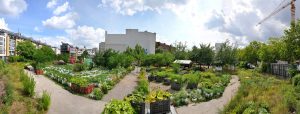
A Prussian railway workshop, a Cold War industrial wasteland, a contemporary socio-cultural center in the heart of Berlin Friedrichshain. The area is emblematic of collective and informal processes of creative transfomation reinventing Berlin’s urban landscape. The R.A.W. in Berlin-Friedrichshain was originally serving as a railway workshop in the XIX century. After being damaged during World War II and undergoing various transformations, it became a neglected wasteland in post-unification Berlin. In 1999, the RAW-Tempel association repurposed the site for artistic and cultural activities, aiming to create a vibrant hub for creativity and community engagement. In 2015, the Kurth Group acquired ownership of R.A.W. and recognized its potential for investment and urban development. Unlike other financial actors, the new owner aimed to respect the site’s identity and socio-cultural programs, giving long-term residents more control over their pre-existing properties. Establishing a participatory approach to urban planning, new plans for the R.A.W. Tower, a 100-meter-tall building, was set to be constructed starting in 2024. The project is intended to blend with older activities, integrating new offices, green areas, markets, and other services, with the R.A.W.’s role as a cultural institution. However, concerns about power dynamics and possible future compromises between top and bottom interests revolving around the R.A.W. might still challenge the current collaborations between the community and external investors.  

Porta Capuana – Napoli

Porta Capuana – Napoli

Porta Capuana is the eastern gate of the historical center of Naples, and gives the name to the neighbourhood that developed around it. While the economic difficulties of its inhabitants are a long-known problem, a recent rise in the multicultural background of the neighbourhood residents has changed its dynamics. Some regeneration plans have been launched by public bodies, which co-exist with a renewed vibrancy in the local activities of associations and private stakeholders.

Cecco Rivolta

Cecco Rivolta

This collective house in Via Dazzi, Firenze, on the slopes up to Rifredi, is a historical experience of a student squat that has been essential for various Florentine urban movement initiatives.