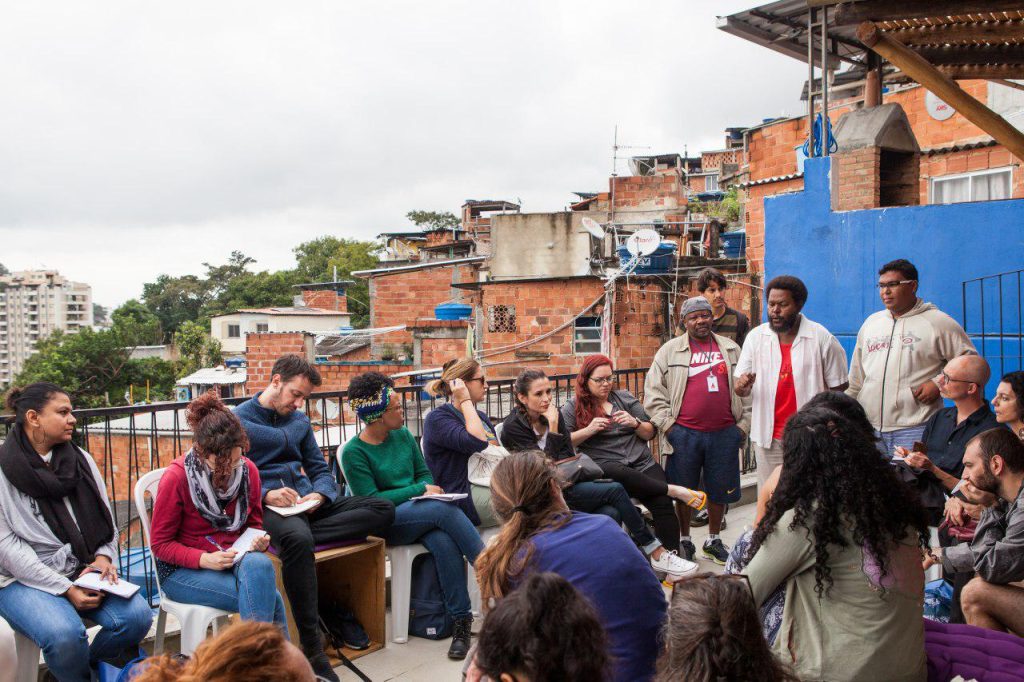
Cocreation workshop in Santa Marta

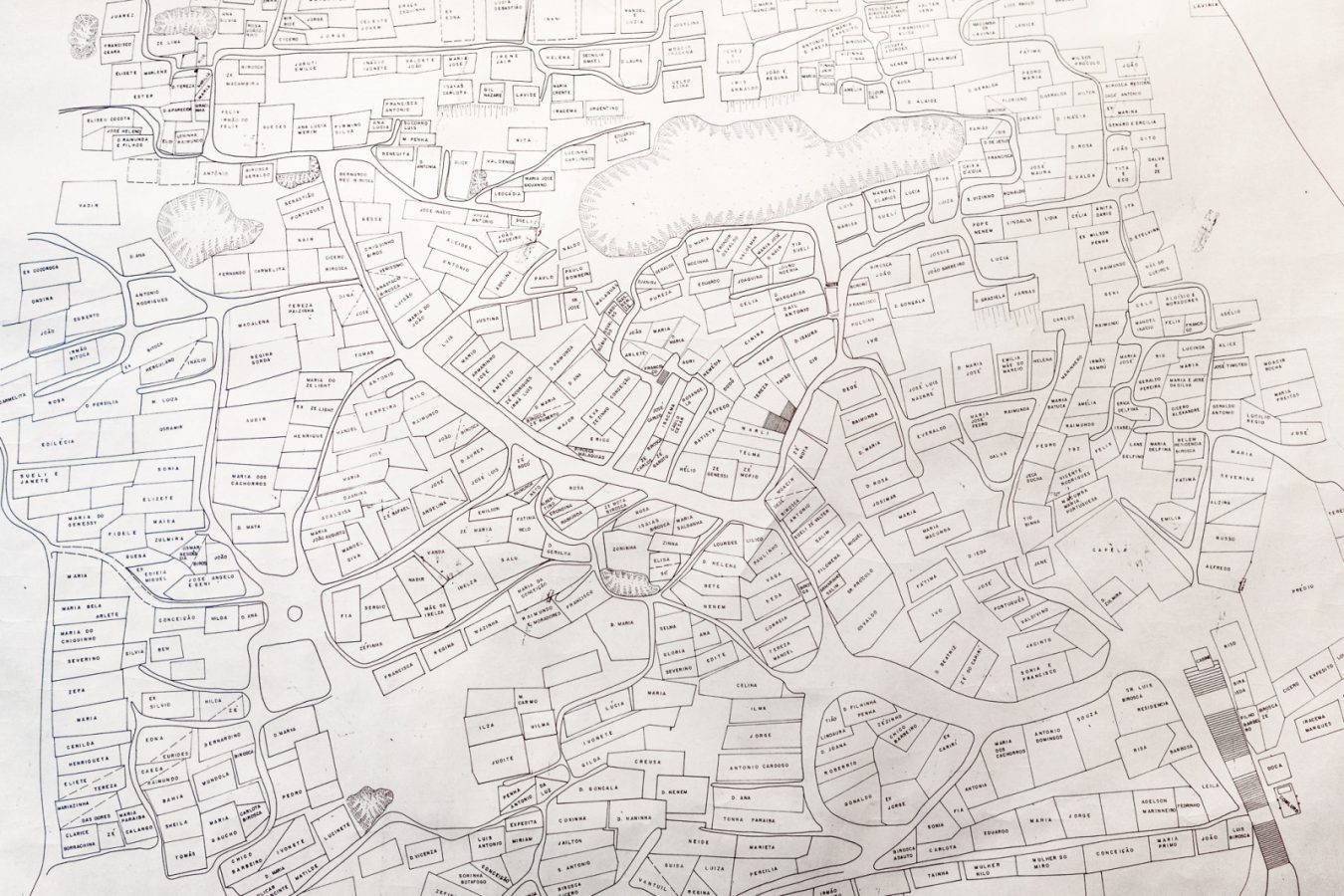
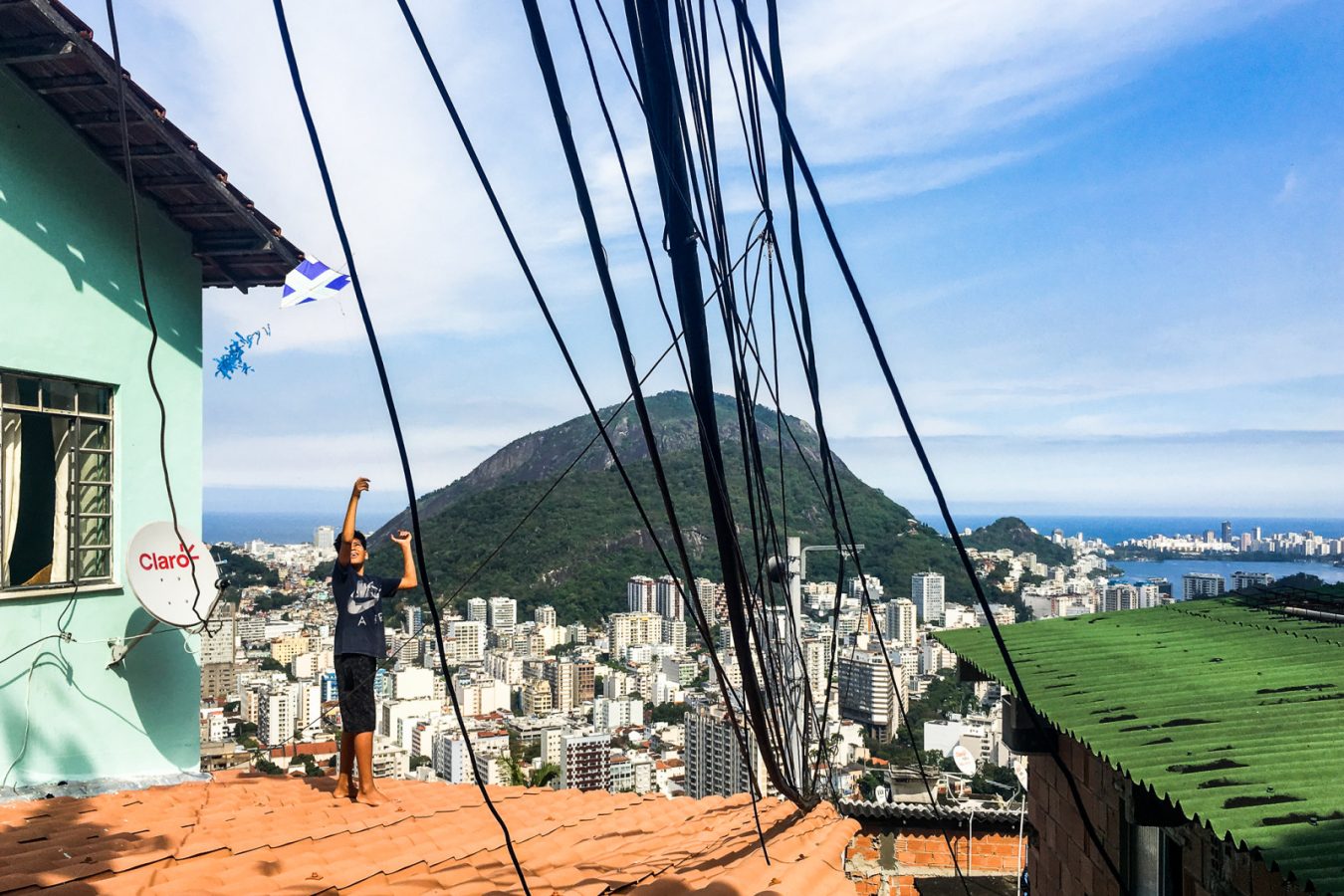
From July 30 to August 5 the Santa Marta Sem Fronteiras cocreation workshop took place in Rio de Janeiro. Five days of activities and site visits in the Santa Marta favela involved more than 20 researchers from the partners organisations. Manuela Conti and Sergio Segoloni took part as representatives of Tesserae. The program coordinated by local community organisers and  the researchers of PUC Rio touched several key topics as the stigmatisation of deprived territories, programs of regeneration of the favela, participative approaches and new trends of tourisms in the favelas. The experience was very intense and revealed difficulties and contradictions in intervening in a sensitive context like today’s favelas.
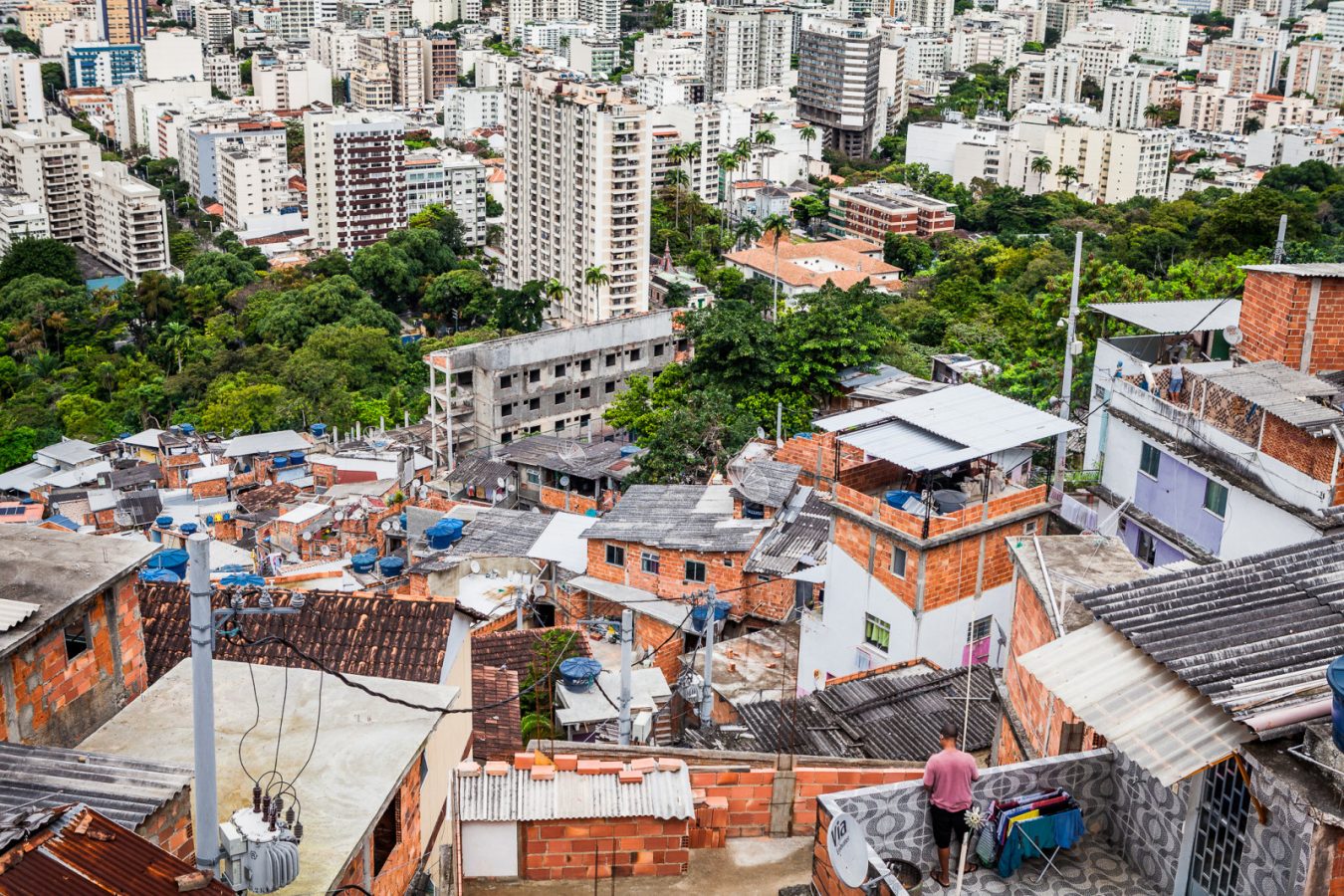
Here the event reported in Brasilian TV
Pesquisadores internacionais conhecem comunidade do Santa Marta no Rio

The photographic diary of Manuela is accessible form her travelogue here.


Related Posts

ReGeneration KickOff meeting in San Lazzaro di Savena

ReGeneration KickOff meeting in San Lazzaro di Savena

On February 27/28 the Kick Off meeting of the  ReGeneration URBACT III Implementation Network has taken place in San Lazzaro di Savena. The lead partner city has presented the project to regenerate a central area of the city into a multifunctional open campus comprising schools, sport facilities heater and public space. The stakeholders involved in […]

Technology and its impact on urban and domestic space – BASE Milan

Technology and its impact on urban and domestic space – BASE Milan

We  take part to the seminar organised by Milano Bicocca University and Che Fare next November 11. As we are all very well aware, technology is changing the way we live our lives, from smart phones to social media, they are having positive and negative impacts on cities, space and people. On the one hand, […]

Stavros Stavridis and Andrea Mubi Brighenti

Stavros Stavridis and Andrea Mubi Brighenti

Can we learn from the everyday experiences of people struggling to survive in big cities as well as from the ways urban movements shape communities of struggle? Is there an inherent potentiality for emancipatory commoning in struggles for the right to the city? And how this relate with the concept of commonality as in Elias […]