CoCreation Kick off in Oxford

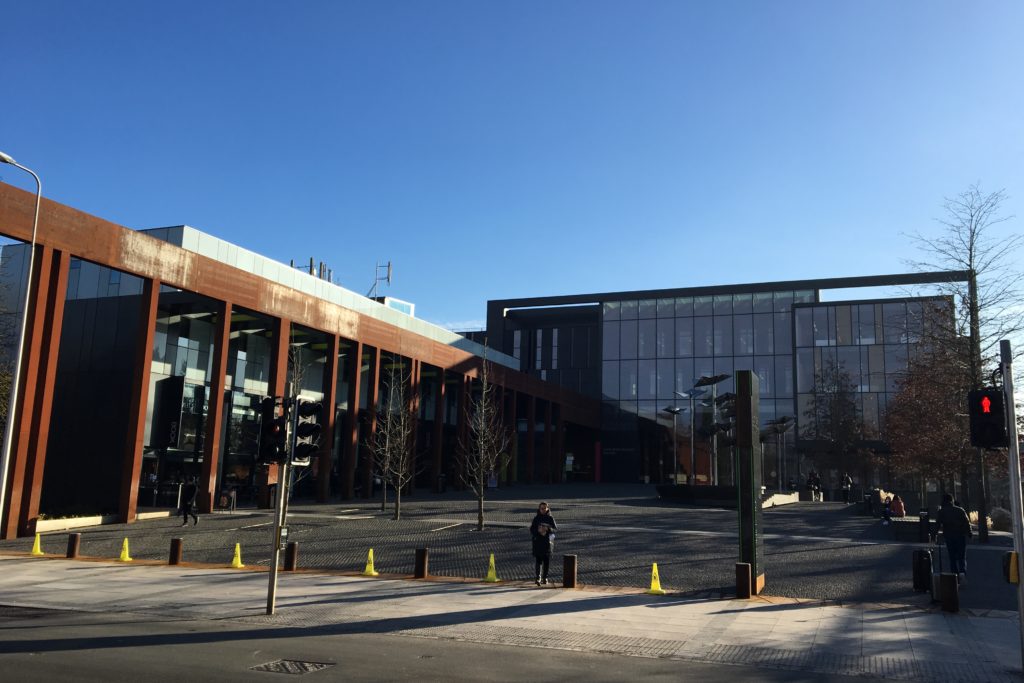
January 16-18 at Brookes University in Oxford took part the first operative meeting of the new CoCreation project led by dr. Juliet Carpenter at Brookes and dr. Christine Horvath of Bath University. The CoCreation project will develop a collaboration between four Universities and three non-academic organisations,  including Tesserae. As Dr Juliet Carpenter said: “The project is a great opportunity for the team of researchers to learn about marginalisation in different cities in the EU and Latin America. We’re hoping to develop new methods using techniques such as digital ethnography, which ultimately will have an impact on the communities who live in these neighbourhoods, addressing stereotypes and stigmatization.”

More here on Brookes University’s news

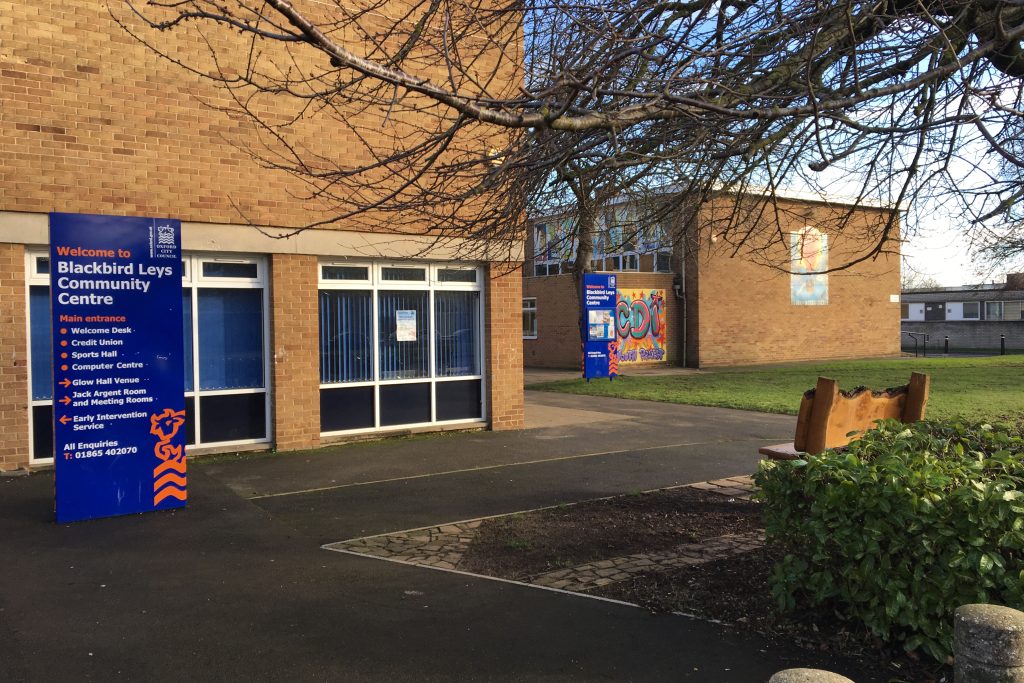
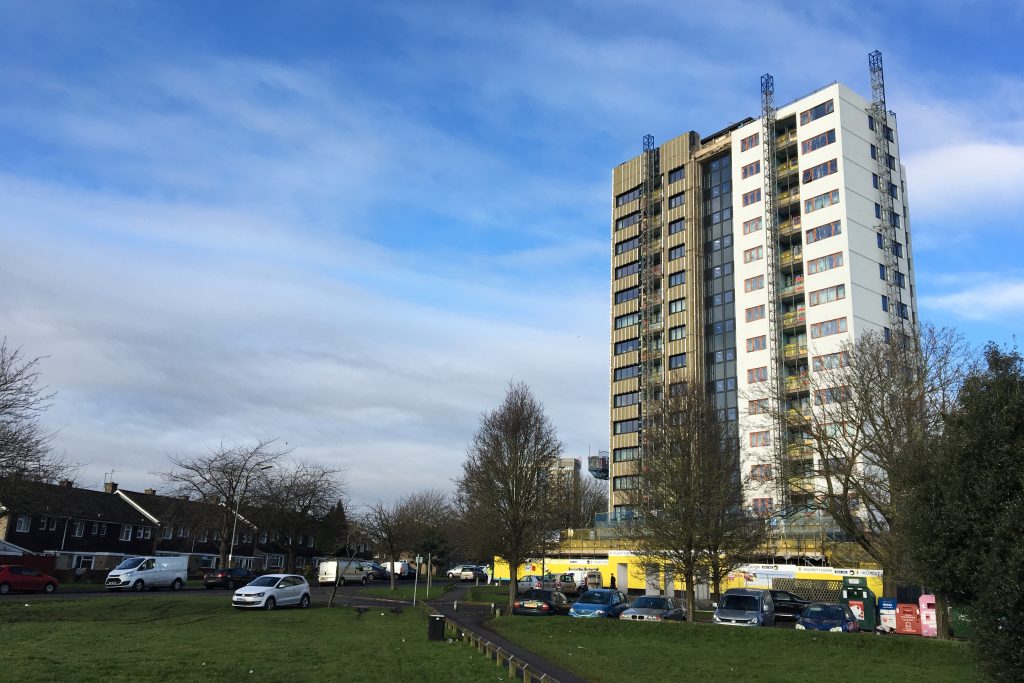
During the two days we had also the opportunity to visit the neighbourhoods of Rose Hill and Blackbird Leys, among the future case studies of the project.


7 Feb , 2017 - Category:

Bath · cocreation · social inclusion


Related Posts

3 years full-time funded PhD Studentship in Oxford

3 years full-time funded PhD Studentship in Oxford

 Faculty of Technology, Design and Environment School of the Built Environment  Spatial Planning Research Group Three year full-time funded PhD Studentship Eligibility: Home/EU and International Students  Bursary: £14,000 in Year 1, £11,000 per year in Years 2 and 3 (with no inflationary increase) In addition, in Years 2 and 3, €2,000 per month for travel and […]

The Maré Museum Project _ Rio de Janeiro

The Maré Museum Project _ Rio de Janeiro

Museu da Maré is a community project born out of the desire to preserve memory and identity in a context of poverty and social exclusion. We visited the museum and realised a set of interviews with their staff during the secondments for the CoCreation project in July 2018. The aim is to set a possible future […]

Panoramica privacy

This website uses cookies so that we can provide you with the best user experience possible. Cookie information is stored in your browser and performs functions such as recognising you when you return to our website and helping our team to understand which sections of the website you find most interesting and useful.