
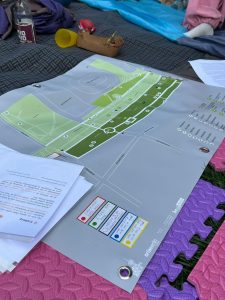
The aim of this article is to analyze how the concept of intersectionality can (and should) be applied within the city in its broadest sense. Starting from literature’s contributions concerning feminisms, intersectionality, and urban studies, the article will propose an analysis and identification of some good practices and potential role models implemented by actors operating in Berlin urban context in various fields, seeking to highlight the major challenges and critical issues.
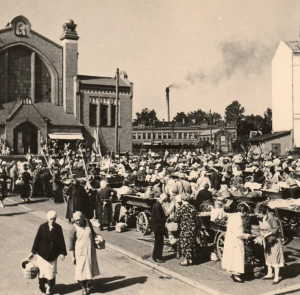
In Agenskalns there is a breeze that sways laughter and leaves like a hidden memory trying to recall its original meaning behind the dust and the overgrown grass Agenskalns is in Riga on the west bank of the Daugava River Old wooden houses mix with soviet social housing and in the middle, the market The […]
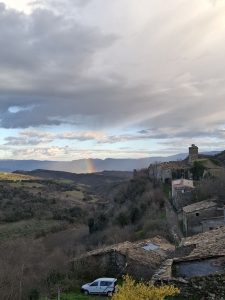
Luis Miguel’s reflections from a training with activists and community organizers from Portugal, Netherlands, Spain, Italy, Poland, Germany and France held at La Casita de Colores