Urban Reconnaissance in Rio de Janeiro

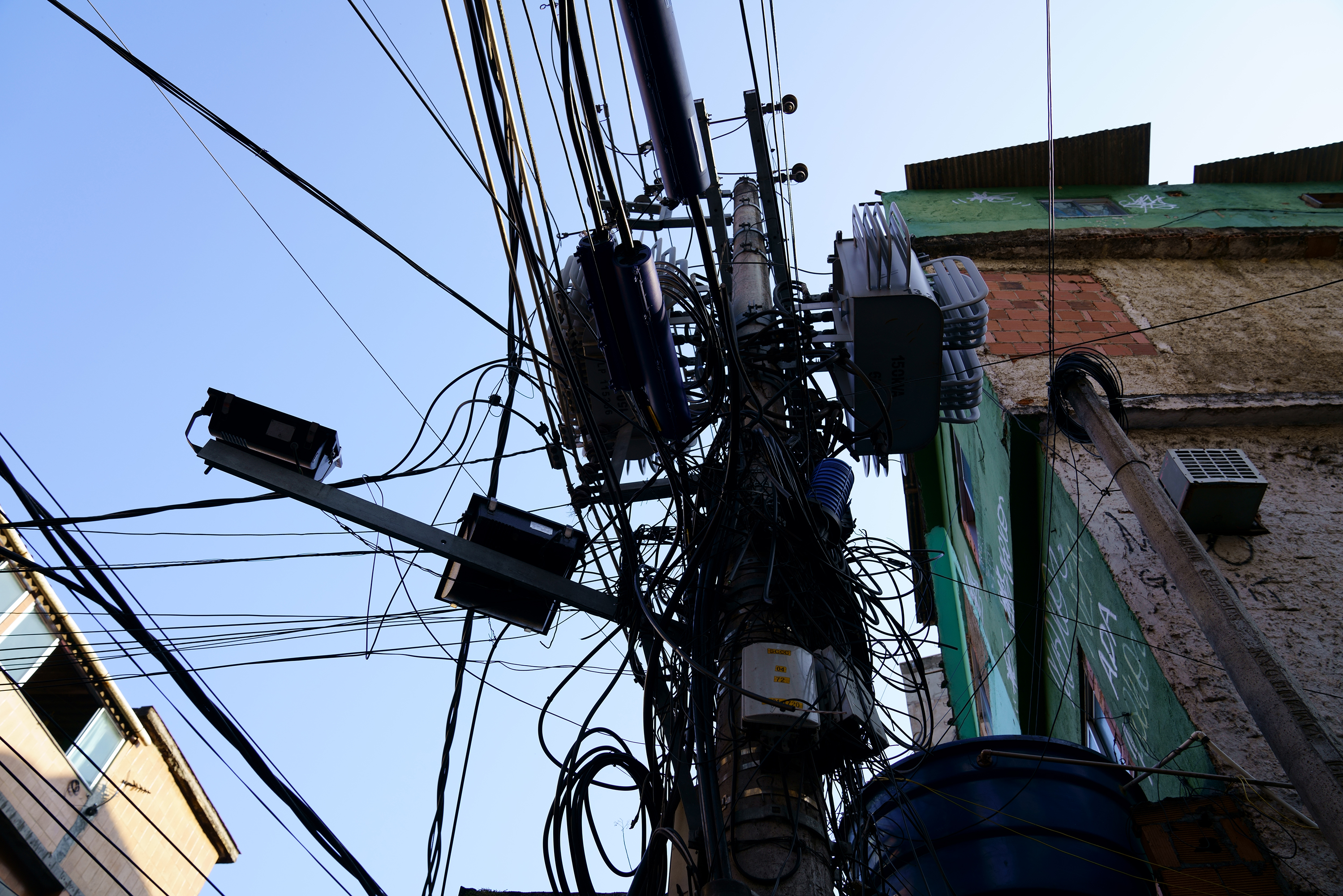
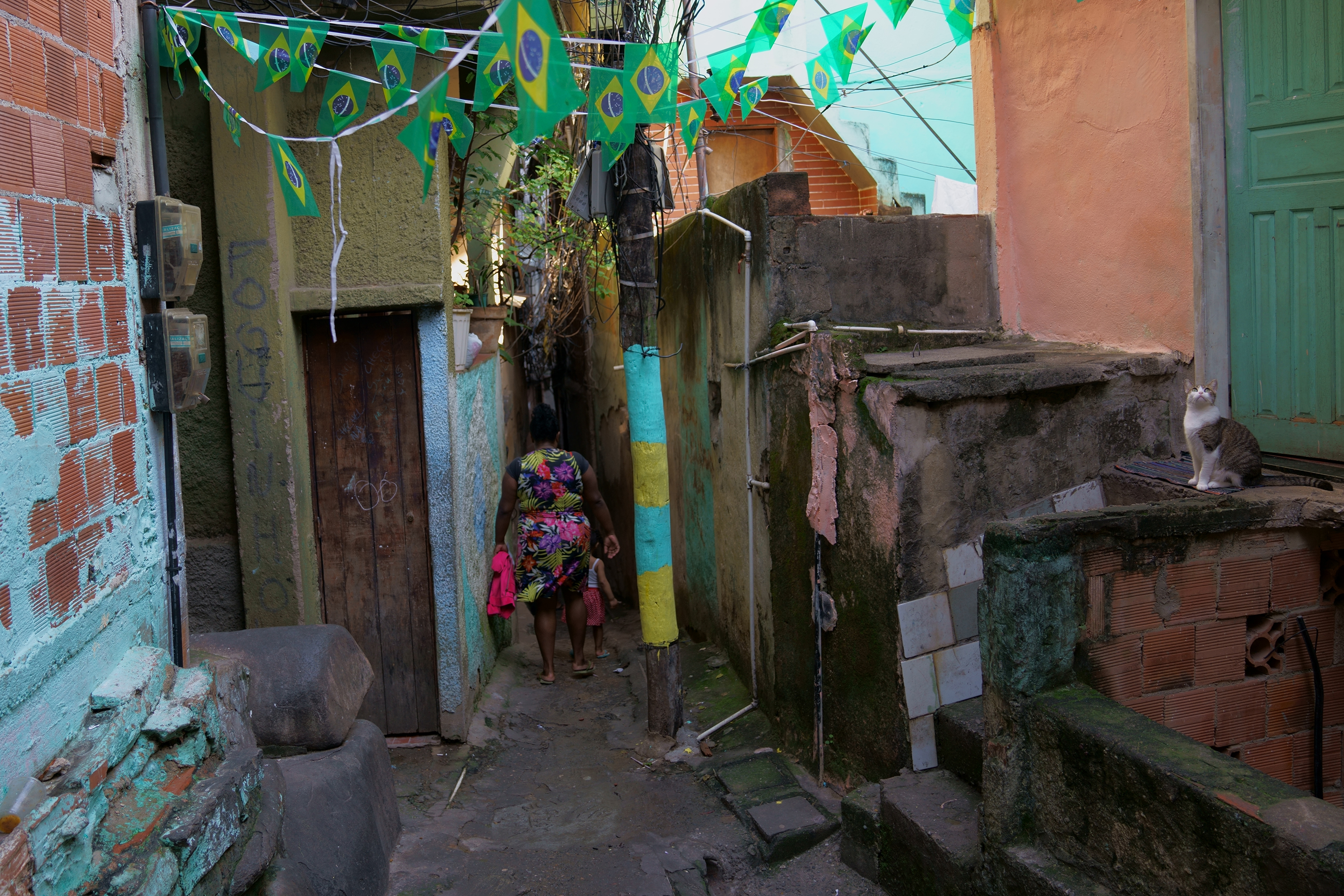
Since June 28 a team of researchers including Manuela and Sergio is in Rio de Janeiro for a 6 week secondment of the Cocreation project in collaboration with PUC University. They are preparing a methodological contribution to the international workshop that will take place in Santa Marta from July 30th to August 5th, and  carrying field research  for a possible new episode of the ReCentering Periphery project. We started our exploration in favelas like Santa Teresa, Rocinha, Santa Marta, to investigate social, economic and psychological relations and dependancies  between the established city and  informal spaces of segregation and stygma.


Related Posts

Site visit to Agenskalns, Riga

Site visit to Agenskalns, Riga

Agenskalns market Site-visit to Riga. The Historical Āgenskalns market has just reopened! On May 9th and 10th, Lorenzo and Luis Miguel from our IN-HABIT project team visited Riga to meet with the project’s other partners, including the University of Reading and Book on a Tree. The team had the chance to visit the newly reopened Āgenskalns […]

Engagement Stories: the Neighbourhood Atlas of Südliche Friedrichstadt

Engagement Stories: the Neighbourhood Atlas of Südliche Friedrichstadt

With the fourth public meeting that took place on Thursday 18 February at Feldfünf im Metropolenhaus we closed the first phase of the Mehringplatz Anknipsen lab. After the previous meetings done at the Kiezstübe (Delimitations, places)  and at the Amerika Gedenkbibliothek (memories), the topic proposed this time to the group of participants was “transformations”: how has the neighbourhood changed through […]

edu-city conference

edu-city conference

The EduCity conference looks at the potential of neighbourhoods as spaces for social engagement. It will present ideas and tools to explore the neighbourhood as an active site for mutual learning, innovation and capacity building. EduCity has a multidisciplinary and inclusive ambition and is open to researchers, practitioners, educators, civil servants and engaged citizens active in processes of social inclusion and community empowerment. The objective is to connect and provide tools to organisations and individuals who share an interest in the potential of neighbourhoods as learning environments.

Panoramica privacy

This website uses cookies so that we can provide you with the best user experience possible. Cookie information is stored in your browser and performs functions such as recognising you when you return to our website and helping our team to understand which sections of the website you find most interesting and useful.