CoCreation Kick off in Oxford

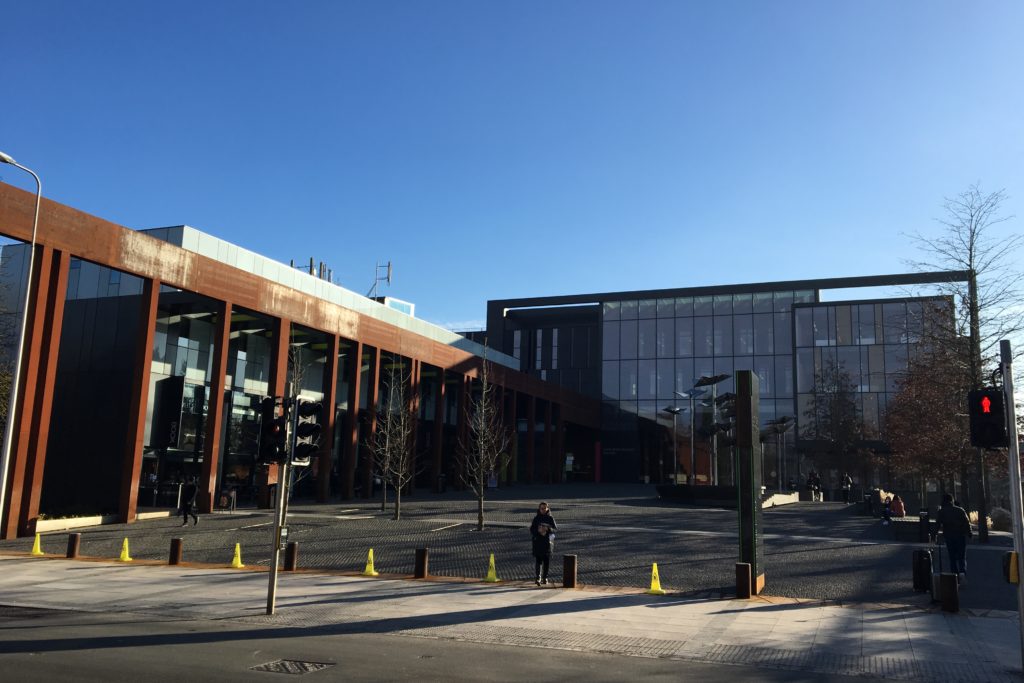
January 16-18 at Brookes University in Oxford took part the first operative meeting of the new CoCreation project led by dr. Juliet Carpenter at Brookes and dr. Christine Horvath of Bath University. The CoCreation project will develop a collaboration between four Universities and three non-academic organisations,  including Tesserae. As Dr Juliet Carpenter said: “The project is a great opportunity for the team of researchers to learn about marginalisation in different cities in the EU and Latin America. We’re hoping to develop new methods using techniques such as digital ethnography, which ultimately will have an impact on the communities who live in these neighbourhoods, addressing stereotypes and stigmatization.”

More here on Brookes University’s news

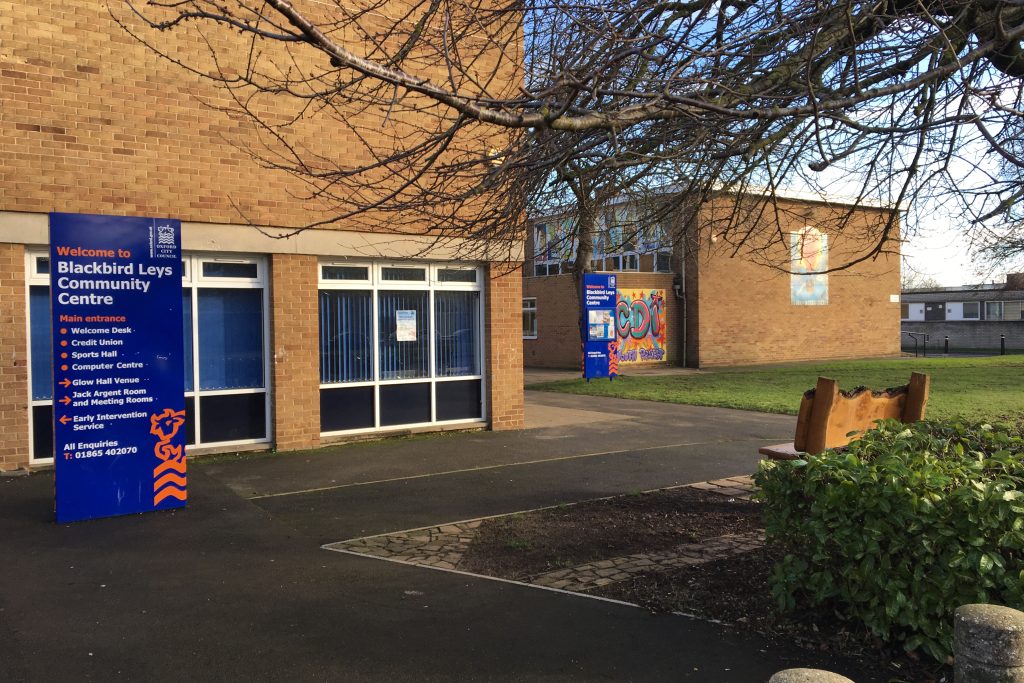
During the two days we had also the opportunity to visit the neighbourhoods of Rose Hill and Blackbird Leys, among the future case studies of the project.


7 Feb , 2017 - Category:

Bath · cocreation · social inclusion


Related Posts

Climate Change and Social Housing

Climate Change and Social Housing

On September 7th our Senior Researcher Laura Colini, together with Yuri Kazepov, AbdouMaliq Simone and Celine d’Cruz participated to the online panel Climate Change and Social Housing organised by Iba Research Lab. The panel concentrated on bottom-up planning processes and self-organisation in climate adaptation and mitigation strategies, discussing the way inhabitants are involved, resources are shared and […]

OpenCCCP final conference

OpenCCCP final conference

The final international conference of the OpenCCCP Project will take place online on June 29 at 11 am to present the results of the last two years of work around community processes and heritage. It will include the round table Open Resources for Heritage Making  with the participation of Levente Polyak of Eutropian and Laura Colini of […]

Panoramica privacy

This website uses cookies so that we can provide you with the best user experience possible. Cookie information is stored in your browser and performs functions such as recognising you when you return to our website and helping our team to understand which sections of the website you find most interesting and useful.