Rigenerazione urbana e processi partecipativi

An interview with Lorenzo Tripodi

For five years CheFare has curated a programme of meetings on cultural transformation at the Mantua festival FattiCult (Fattidicultura). This year it has gathered three heterogeneous figures around a table to reflect on the relationship between spaces, urban regeneration and culture: the Milanese architect and activist Federica Verona, the Berlin-based urban planner and film-maker Lorenzo Tripodi and the nomadic artist Riccardo Arena. Three different and transversal looks that question the meaning of places and how this changes as the city changes.

Da 5 anni CheFare cura un programma di incontri sulla trasformazione culturale al festival mantovano FattiCult (Fattidicultura). Quest’anno ha riunito attorno a un tavolo tre figure eterogenee per riflettere sul rapporto tra spazi, rigenerazione urbana e cultura: l’architetto e attivista milanese Federica Verona, l’urbanista e film-maker berlinese Lorenzo Tripodi e l’artista nomade Riccardo Arena. Tre sguardi diversi e trasversali che si interrogano sul senso dei luoghi e su come questo cambia al mutare della città.

14 Nov , 2018 - Category:

digital storytelling · participation · urban regeneration

The interview rig-urb-intervista-tripodi (In Italian)


Related Posts

CoMMA Neighbourhood Atlas

CoMMA Neighbourhood Atlas

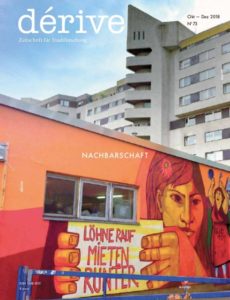
An article by Lorenzo Tripodi published in Dérive summarising our research on collaborative atlases.

Switch On Mehringplatz

Switch On Mehringplatz

This booklet is the final outcome of the training program developed in Berlin by Tesserae Urban Social Research within the EULER transnational exchange, a collaboration between organisations from Antwerp, Barcelona, London and Berlin. The aim of our programme was to promote participatory methodologies for social and entrepreneurial initiatives at the scale of the neighbourhood. This is one in a series of 6 brochures about the project EULER.

Social Housing

Social Housing

Per Housing che possa definirsi “sociale” si possono considerare tutte quelle forme di alloggio che riconoscono la casa come un diritto, inclusivo, sicuro, dignitoso accessibile economicamente, tale da non alimentare meccanismi di mercificazione e speculazione che pongono il profitto economico dinanzi al beneficio sociale.